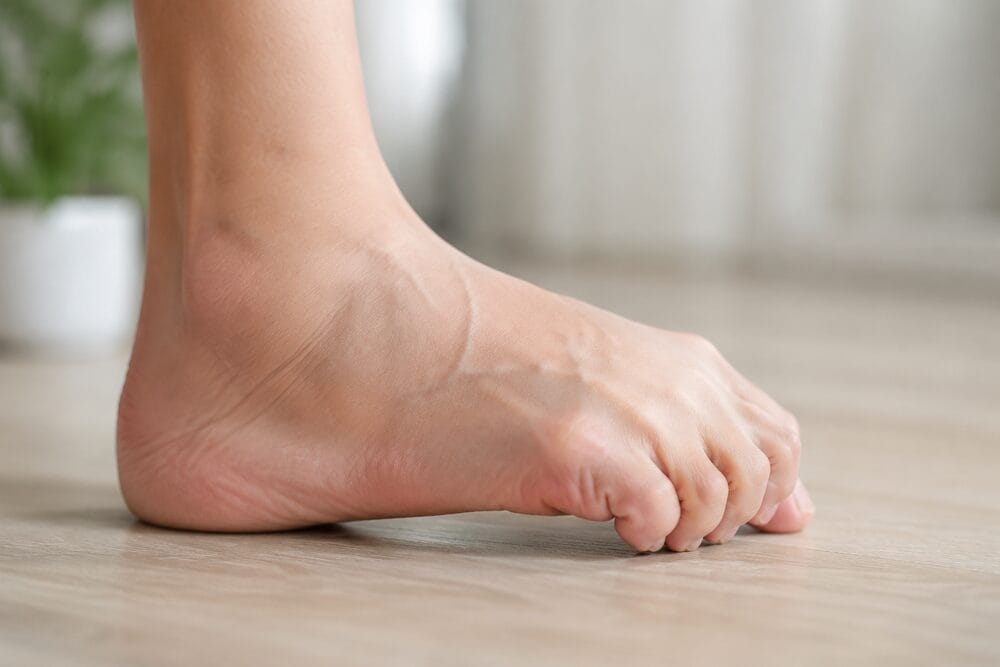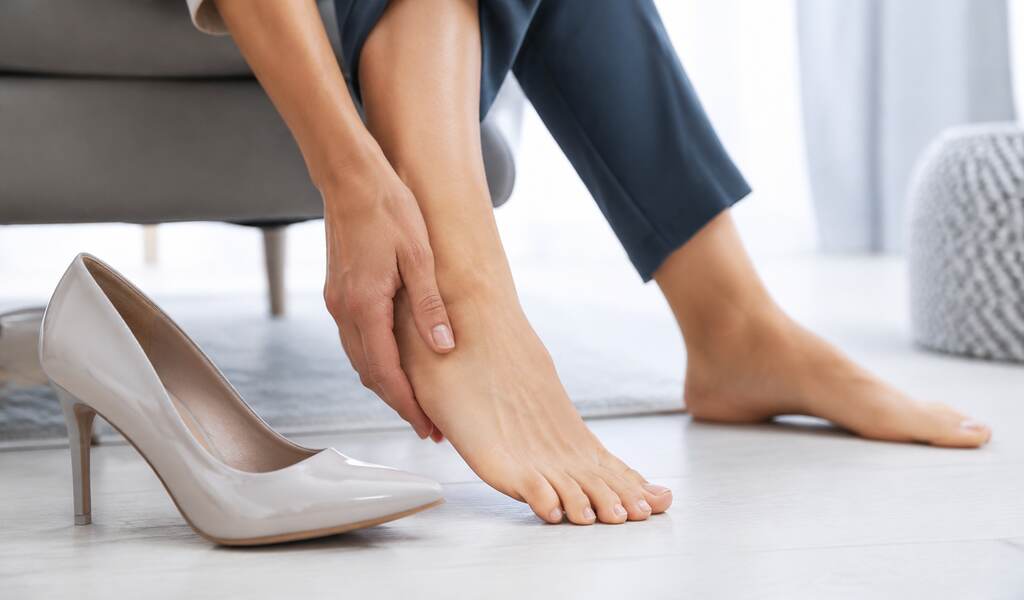
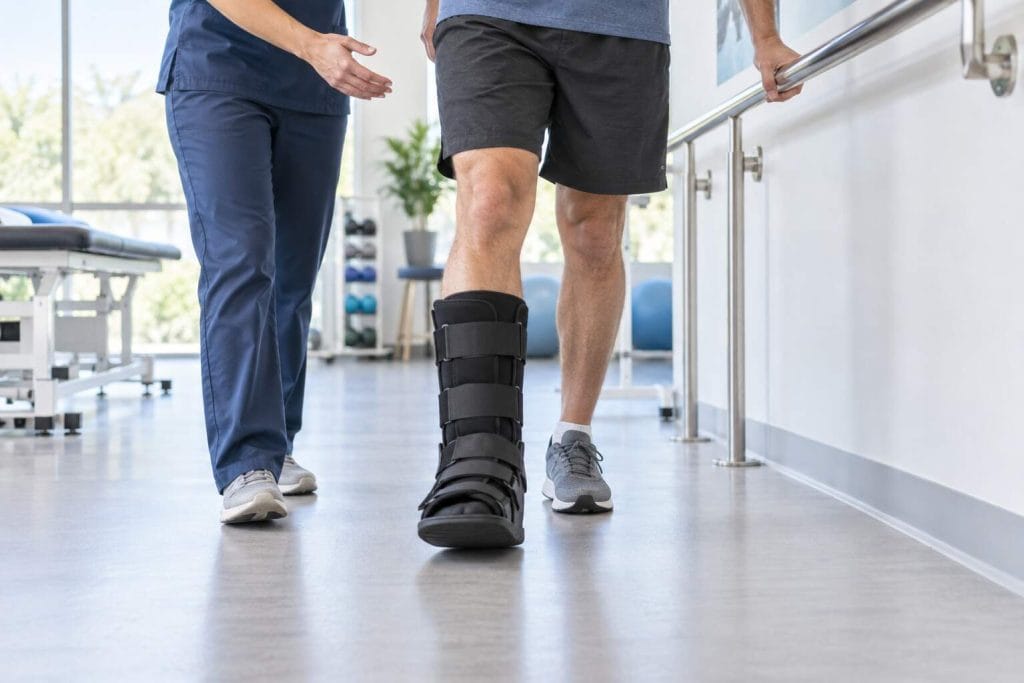
Walking after Achilles tendon surgery happens in stages. Many patients begin protected walking in a medical boot around 2 weeks after surgery. They may start moving into a supportive shoe around 8 weeks if the tendon is healing well. However, these times are only general estimates.
Your surgeon will decide when you can safely put weight on your foot and walk without the boot. In this guide, Foot + Ankle Specialty Centers explains what to expect when walking again after Achilles tendon surgery and how to support a safe recovery.
Table of Contents
ToggleCan You Walk after Achilles Tendon Surgery?
Yes, you can walk again after Achilles tendon surgery, but walking happens in stages. According to The Ohio State University’s Achilles Tendon Repair Clinical Practice Guideline, many patients can begin protected weight-bearing with crutches and a medical boot around two weeks after surgery. They may start moving into a supportive shoe around eight weeks if the tendon is healing well and they can walk without pain or a limp.
Your surgeon may use a different timeline based on your surgery and recovery.
How Long After Achilles Surgery Can I Walk?
This timeline mainly applies to Achilles tendon treatment that involves surgery to repair a ruptured Achilles tendon. Other Achilles procedures may follow a different recovery plan. Your repair type, wound healing, health, strength, and surgeon’s protocol will affect when you can move forward.
The time ranges below are general estimates. Progress depends on meeting recovery goals, not simply reaching a certain week.
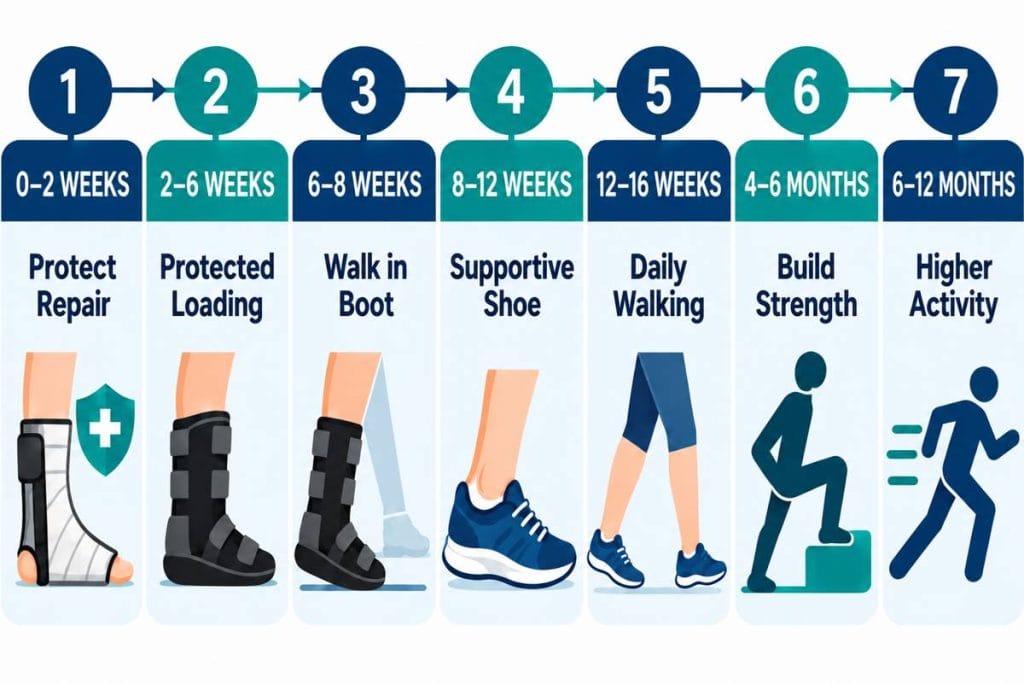
General Time | Main Goal | What May Be Allowed |
0–2 weeks | Protect the repair | Usually no weight on the operated foot |
2–6 weeks | Begin protected loading | Weight-bearing in a boot, often with crutches |
6–8 weeks | Improve walking in the boot | More weight and less support if walking is safe |
8–12 weeks | Move into a supportive shoe | Gradual removal of the boot |
12–16 weeks | Restore daily walking | Walking in shoes and using stairs |
4–6 months | Improve strength and endurance | Longer walks and harder exercises |
6–12 months | Return to demanding activities | Running, jumping, sports, or physical work when cleared |
These ranges follow rehabilitation guidance from The Ohio State University, Massachusetts General Hospital, and the University of Virginia. These protocols differ, so always follow your surgeon’s plan.
Protecting the Repair (0–2 Weeks)
The goal is to protect the repaired tendon and help the incision heal. Your foot usually stays in a splint or cast. Most patients cannot put weight on the operated foot and need crutches, a walker, or a knee scooter. Progress depends on wound healing, pain, swelling, and your surgeon’s instructions.
Managing swelling is also an important part of recovery. Drinking enough water and choosing healthy fluids may support your body while you heal. Learn more about what to drink to reduce swelling in feet and ankles.
Beginning Protected Weight-Bearing (2–6 Weeks)
Your surgeon may place your foot in a boot with heel wedges and allow weight-bearing as tolerated. This does not mean unrestricted walking after Achilles tendon surgery. You may still need the boot, crutches, or a walker.
Only place as much weight on the foot as your surgeon allows. Progress depends on pain, swelling, wound healing, and safe movement.
Improving Walking in the Boot (6–8 Weeks)
The goal is to walk more safely in the boot. You may place more weight on the foot and use crutches less if you can walk without increased pain or a major limp. Do not stop using support only because you have reached a certain week.
Moving Into a Supportive Shoe (8–12 Weeks)
You may gradually move from the boot into a supportive shoe, sometimes with a heel lift. Your care team will check your ankle movement, pain, balance, and walking pattern first.
Physical therapy may include balance work and controlled strengthening. Avoid any exercise or stretch that your care team has not approved.
Restoring Daily Walking (12–16 Weeks)
You may begin walking more naturally in regular shoes and using stairs with better control. Therapy may include calf strengthening, balance work, and step exercises. You may be able to walk normally at this stage, but running and jumping may still be unsafe.
Wait for your surgeon or physical therapist to approve these activities.
Building Strength and Endurance (4–6 Months)
Many patients can walk longer distances, but some weakness, swelling, or stiffness may remain. Progress depends on calf strength, balance, walking control, and how the tendon responds to increased activity.
Returning to Higher-Level Activities (6–12 Months)
This stage focuses on returning to running, sports, physical work, and other demanding activities. Your surgeon or physical therapist may check your strength, balance, and movement before clearing you to return to sport after Achilles surgery.
Some people need more time because of long-term problems after Achilles tendon surgery. Always follow your surgeon’s plan for Achilles tendon surgery recovery time.
How to Reduce the Risk of Re-Rupture
You cannot prevent every re-rupture, but you can lower the risk by protecting the tendon and following your surgeon’s recovery plan.
- Wear your cast, boot, heel wedges, or brace exactly as instructed.
- Do not remove the boot for walking unless your surgeon approves it.
- Follow your weight-bearing instructions. “Weight-bearing as tolerated” may still require a boot and crutches.
- Do not walk barefoot during early recovery.
- Avoid running, jumping, quick turns, and sudden steps until your care team clears you.
- Use crutches and handrails to reduce your risk of falling.
- Do not stretch the calf or pull the foot upward beyond the allowed limit. Ohio State’s protocol advises against aggressive Achilles or calf stretching before 12 weeks.
- Complete only the exercises approved by your physical therapist.
- Increase walking and exercise slowly. Do not move forward based only on the number of weeks since surgery.
Contact your surgeon promptly if you hear or feel a new pop, develop sudden pain or swelling, or suddenly lose the ability to push off the foot. The American Academy of Orthopaedic Surgeons explains that activity and ankle movement should increase slowly during rehabilitation.
When Can You Return to Sport after Achilles Tendon Surgery?
According to The Ohio State University’s Achilles Tendon Repair Clinical Practice Guideline, return to sport after Achilles surgery may begin around 6 to 9 months after surgery. The same source notes that some patients may need 9 to 12 months, based on the injury and type of sport.
Your foot doctor or physical therapist will check your calf strength, ankle movement, balance, and ability to hop and land safely. Sports that require running, jumping, or quick turns may take longer.
When Can I Run after Achilles Tendon Surgery?
There is no single safe month for everyone to start running. Your surgeon or physical therapist should first check your calf strength, ankle movement, balance, walking pattern, and ability to hop and land safely.
Running starts much later than normal daily walking or low-impact exercise. Activities such as walking, cycling, and using an elliptical may begin first. Running comes next, followed by jumping. Sports with quick turns or direction changes, such as soccer, basketball, and tennis, usually require the highest level of recovery.
Everyone should get approval before running. This is especially important if you still have pain, swelling, weakness, a limp, poor balance, wound problems, diabetes, nerve damage, poor circulation, or a previous re-rupture.
When cleared, begin with short, easy jogging on a flat surface. Add speed, hills, jumping, and quick turns only as your strength and control improve.
When Can I Drive After Achilles Tendon Surgery?
There is no single safe date for driving after Achilles tendon surgery. You must be able to control the pedals, react quickly, and make an emergency stop without pain or hesitation! You should also be off any medicine that causes sleepiness or slower reactions.
Situation | What to Consider |
Right Achilles surgery | The right foot controls the brake and gas pedals, so you may need more recovery time. |
Left Achilles surgery with an automatic car | Driving may be possible sooner because the right foot controls both pedals. You still need your surgeon’s approval. |
Left or right surgery with a manual car | Both legs may be needed for the clutch, brake, and gas, so recovery may take longer. |
Wearing a boot | Do not drive if the boot limits ankle movement or pedal control. |
Using crutches | If you still need crutches, you may not have enough strength or control to drive safely. |
Poor pedal control | Wait if you cannot move quickly between the gas and brake pedals. |
Slow reaction time | Do not drive until you can react quickly to sudden traffic changes. |
Difficulty with an emergency stop | You should be able to press the brake firmly and quickly without pain, weakness, or hesitation. |
A study on patients after right Achilles tendon repair found that brake response time returned to an acceptable level at about six to seven weeks. However, this result does not set a safe driving date for every patient.
Recovery, car type, pain, strength, and surgeon instructions can change the timeline. Read the study on PubMed.
Before driving, ask your surgeon, test your pedal control in a safe setting, and check any requirements from your local licensing agency and insurance provider.
Signs You Should Contact Your Surgeon
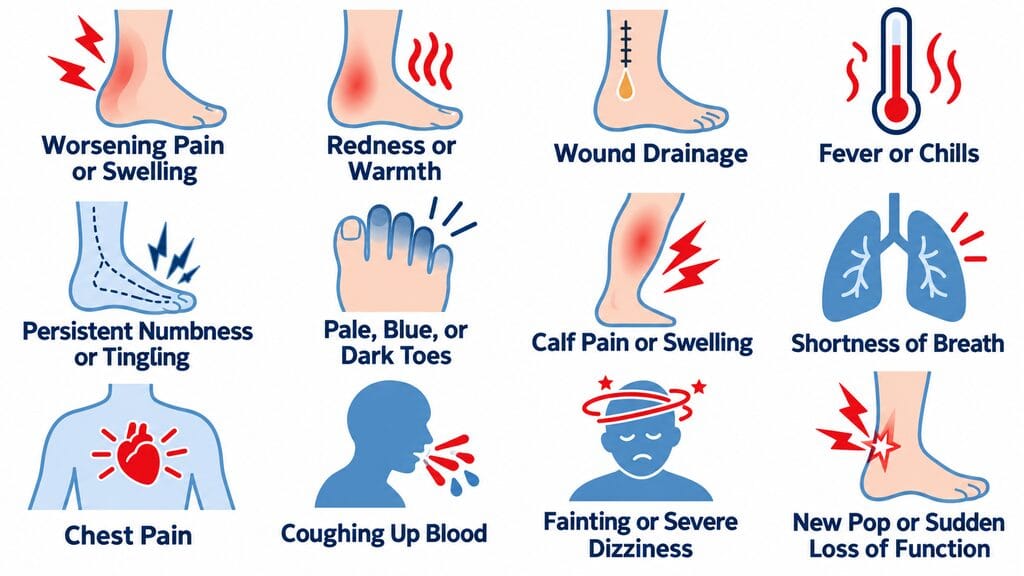
Some pain and swelling are common after Achilles tendon surgery. However, symptoms that become worse instead of better may signal a problem.
Call your surgeon if you notice:
- Worsening pain or swelling
- Increasing redness or warmth near the incision
- New or increasing wound drainage
- Fever or chills
- Numbness or tingling that does not go away
- Toes that become pale, blue, or unusually dark
- New calf pain, tenderness, or swelling
Call emergency services or go to the emergency room right away if you have:
- Shortness of breath
- Chest pain
- Coughing up blood
- Fainting or severe dizziness
Contact your surgeon urgently if you feel a new pop near the Achilles tendon or suddenly cannot push off, stand, or move your foot as you could before.
Let’s Recap
Walking after Achilles tendon surgery takes time and happens in stages. Protect the repair, follow your surgeon’s instructions, and increase activity only when it is safe. Your progress should depend on your healing, strength, balance, and walking ability.
At Foot + Ankle Specialty Centers, Dr. Payam Sarraf and his experienced team provide personal care to help patients recover safely and return to daily activities. With more than 1,000 positive patient reviews, you can feel confident choosing our team for your foot and ankle care. Make an appointment today to get started.
FAQs
How long does it take to walk normally after Achilles tendon surgery?
Most people walk normally between 4 to 6 months after surgery.
How to learn to walk again after Achilles tendon rupture?
You start with a boot, then rehab, stretching, balance work, and slowly move back to full walking.
How to start weight bearing after Achilles surgery?
Use the boot with crutches first. Slowly add weight as your doctor allows, usually between 2 to 6 weeks.
How do you know your Achilles is healing after surgery?
Less swelling, better movement, stronger steps, and less pain all mean your tendon is healing well.