









Do Podiatrists Treat Toenail Fungus?
- Published by: Payam Sarraf
- on
- | Updated on February 11, 2026
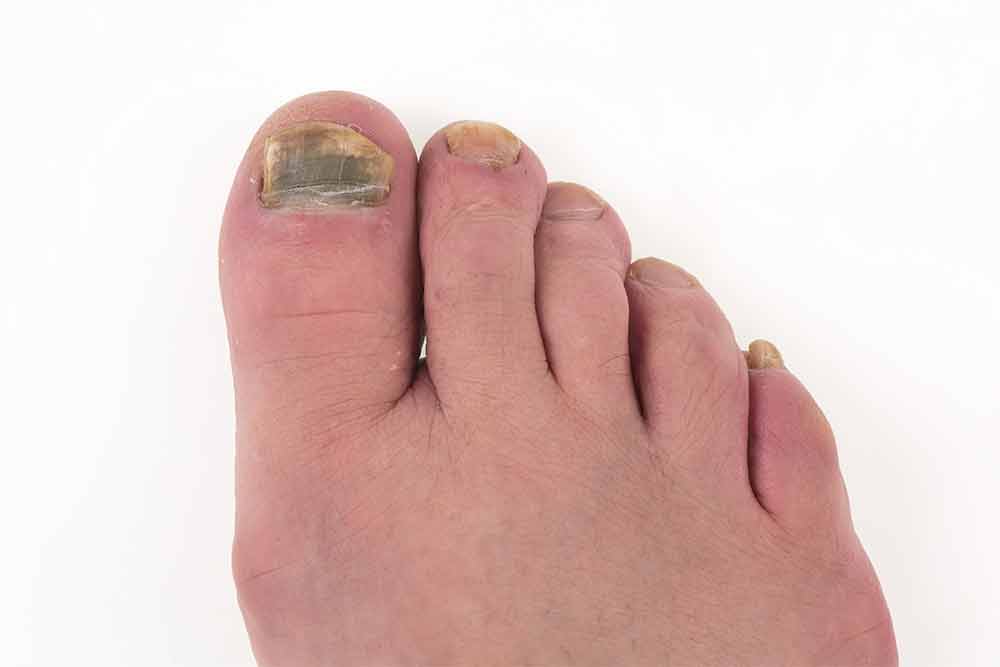
Toenail fungus isn’t a cosmetic issue! It can make your nails thick, yellow, painful, and hard to manage. You might feel embarrassed to wear sandals or even experience discomfort while walking. Over-the-counter creams usually don’t cut it. The good news is that podiatrists treat toenail fungus, and they’re the best people for the job.
Keep reading to see how they use safe, proven methods to stop the fungus and help you grow clear, healthy nails again.
Table of Contents
ToggleFungal Nail Diagnosis and Testing
Before podiatrists treat toenail fungus cases, they need a proper diagnosis to confirm it’s truly a fungal infection, and not a different nail issue, like psoriasis or trauma. They won’t improve with antifungal treatment.
Here’s how podiatrists diagnose toenail fungus:
- Visual Exam: Your podiatrist looks closely at the nail’s color, thickness, shape, and texture.
- Nail Sampling: your foot doctor in Phoenix collects a small piece of the nail or scrapings from under the nail. These are sent to a lab for a fungal culture or microscopy test to find the exact type of fungus.
- Lab Confirmation: Some clinics use special stains or DNA tests to get quicker, more accurate results.
How Can Podiatrists Treat Toenail Fungus?
Once the infection is confirmed, your podiatrist can choose the best way to treat it. The treatment depends on:
- How severe the fungus is
- How many nails are infected
- Your health
Most treatments are safe, effective, and help the nail grow back healthy. Here are the most common ways podiatrists treat toenail fungus:
Debridement (Nail Trimming and Thinning)
This is when the podiatrist trims and files down the thick, infected nail. It helps reduce pressure, pain, and the amount of fungus. Thinning the nail also makes it easier for medicine to reach the infection. This is usually done in the office with special tools and is painless.
Topical Antifungal Treatment
Topical means the medicine goes directly on the nail. These are usually special creams, solutions, or nail lacquers. The medicine works by killing the fungus on the surface and just under the nail. You usually apply it daily at home, and it works best when combined with trimming.
Oral Antifungal Medication
Oral antifungals are pills that work from inside your body. The medicine goes through your bloodstream and attacks the fungus where it starts. This toenail fungus treatment in Phoenix is often used for more serious infections or when multiple nails are involved. You take the pills for several weeks or months, depending on the medicine and how your nails respond.
Laser Therapy
Laser treatment uses focused light to kill fungus under the nail. It does not hurt and does not damage nearby skin or tissue. The laser goes through the nail to reach deep where the fungus lives. Several sessions, usually 3 to 4 treatments spaced a few weeks apart, may be needed, and it is often used along with other treatments for the best results.
If you are ready to treat your toenail fungus, contact Foot and Ankle Specialty Centers to talk to our podiatrists today and find the right solution for your feet.
How Podiatrists Treat Toenail Fungus with Medications
Medicines are a cornerstone of how podiatrists treat toenail fungus. They help stop the fungus and allow a healthy nail to grow back. Below is a table of common antifungal medications used:
| Medication | Type | How It Works |
| Terbinafine (Lamisil) | Oral antifungal | Kills fungus from inside the body. |
| Itraconazole (Sporanox) | Oral antifungal | Works internally on stubborn infections. |
| Fluconazole | Oral antifungal | Alternative option when others are unsuitable. |
| Efinaconazole (JUBLIA) | Topical solution | Applied to the nail surface. |
| Ciclopirox | Topical lacquer | Antifungal nail treatment applied regularly. |
| Tavaborole (Kerydin) | Topical antifungal | Helps break down fungal cell structures. |
Important Note: Medicines often work best when combined with trimming or debridement.
How Podiatrists Treat Toenail Fungus with Surgery
Surgery is not the first step, but it may be needed in certain cases, such as:
- The infection causes severe pain or nail deformity.
- The fungus keeps coming back after other treatments.
- The nail is too thick or damaged for medicine to work.
- The infection spreads or won’t respond to topical or oral medication.
In these cases, your podiatrist may recommend removing part or all of the infected nail. This can be temporary, which allows a healthy nail to grow back. Or, it can be permanent if the infection is very stubborn.
During the surgery, your podiatrist numbs your toe with local anesthesia and performs the procedure safely in the office. They remove the nail to reach the nail bed directly and apply antifungal medicine where the fungus lives. This speeds up healing and lowers the chance of the infection coming back.
When to See a Podiatrist For Your Toenail Fungus
Podiatrists treat toenail fungus if:
- Your toenail changes color (yellow, brown, or white), thickens, or becomes brittle.
- Home treatments or over-the-counter meds haven’t worked after a few weeks.
- The nail lifts from the nail bed or becomes misshapen.
- The infection causes pain, swelling, or makes it hard to walk.
- You have diabetes, poor circulation, or a weakened immune system.
- The fungal infection spreads to other nails or skin around the toe.
- You notice foul odor, pus, or signs of a secondary infection.
- The fungus keeps coming back after treatment.
If you’re unsure, it’s always better to get your toenail checked early. Waiting too long can make the infection harder to treat.
Why Choose Foot & Ankle Specialty Centers for Toenail Fungus?
At Foot and Ankle Specialty Centers (rated 4.9 stars on Google), Payam Sarraf, DPM, and the rest of our team treat toenail fungus with expert care. Our podiatrists use advanced methods, including medication and surgeries, to fight stubborn infections and restore healthy nails.
People trust us because:
- We offer accurate diagnosis and testing.
- We customize treatment plans for each patient.
- We use modern therapies, including oral meds, topical solutions, and laser therapy.
- We provide surgical options only when needed.
Don’t let toenail fungus slow you down. Get expert care that works. At Foot and Ankle Specialty Centers, we offer personalized treatment plans at our trusted locations in Gilbert, Scottsdale, Chandler, Mesa, and Phoenix. So call us today at 480-812-3668 to schedule your appointment.
FAQs
Does a podiatrist treat toenail fungus?
Yes, podiatrists diagnose and treat toenail fungus using medicines, trimming, laser therapy, or surgery.
How do podiatrists get rid of nail fungus?
Podiatrists treat toenail fungus by using antifungal medications, laser therapy, and sometimes surgical removal of the infected nail.
Is it better to see a podiatrist or dermatologist for toenail fungus?
A podiatrist specializes in foot and nail health and often provides more targeted care for toenail fungus.
Do I need a podiatrist to treat toenail fungus that is stubborn and persistent?
Yes, stubborn or persistent toenail fungus often requires professional treatment from a podiatrist.

Payam Sarraf
Payam Sarraf, DPM, is a podiatry specialist and surgeon at Foot + Ankle Specialty Centers, with offices in Gilbert, Scottsdale, Chandler, and Phoenix, Arizona. Dr. Sarraf’s areas of expertise include ankle trauma, Achilles tendon ruptures, podopediatrics, ankle arthroscopy and reconstruction and biomechanics.
Related posts

- Payam Sarraf
- September 3, 2026
- No Comments
Toe curling happens when your toes bend downward and inward toward the bottom of your foot. Common causes include muscle spasms, nerve problems, dystonia, toe deformities, […]

- Payam Sarraf
- August 29, 2026
- No Comments
Cracked heels develop when dry, thick skin splits under pressure from standing or walking. To help them heal, soak your feet, exfoliate the dry skin, moisturize […]

- Payam Sarraf
- August 29, 2026
- No Comments
High heels can cause a forward weight shift, which puts extra pressure on your toes and the front of your feet. A narrow toe box may […]