
Shoes that feel tight may not seem like a big problem at first. You put them on, walk around, and try to ignore the pressure. But over time, that pressure starts to change how your feet move. In this article, we explain all the side effects of wearing tight shoes so you can protect your feet before things get worse.
Table of Contents
ToggleWhy Is It Important to Wear the Right Shoe Size?
Wearing the right shoes helps your feet move and support your body. Tight shoes stop natural movement and cause pain and poor posture. Many side effects of wearing tight shoes start this way. Foot doctors Phoenix can help treat these problems early.
What Are the Side Effects of Wearing Tight Shoes?
The side effects of wearing tight shoes affect your whole body, not just your feet. These problems start small, but they can grow and become painful. Here are the most common side effects.
Foot Pain
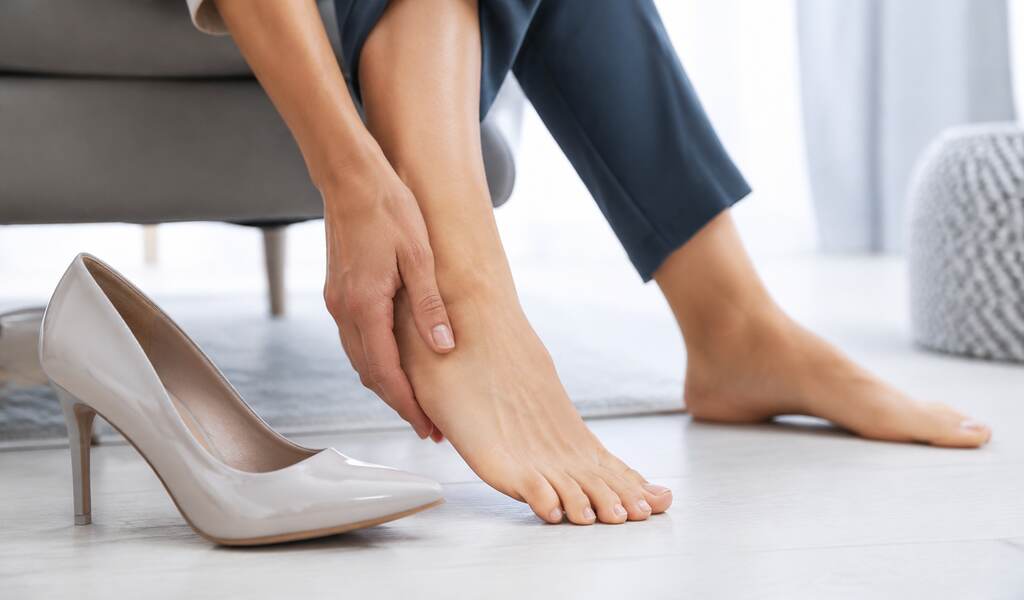
Foot pain is the most common problem caused by tight shoes. The pressure from the shoes pushes on your toes, heels, and the balls of your feet. This pressure makes it hard to stand or walk for long periods.
Over time, the pain gets worse and spreads to your legs and back. It can also lead to conditions like plantar fasciitis Phoenix. This is one of the most common side effects of wearing tight shoes.
Deformities
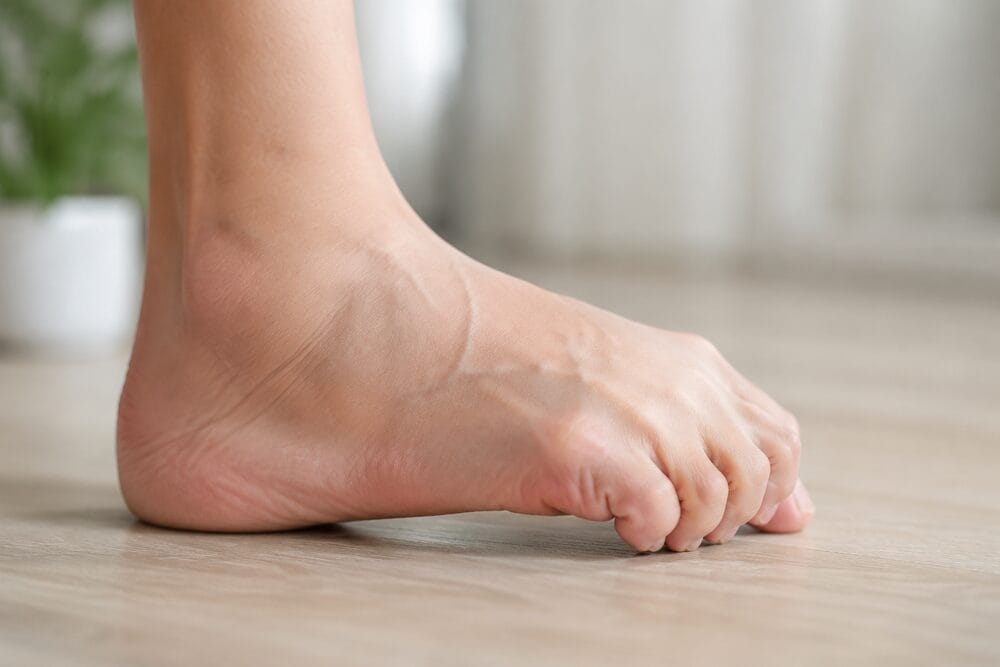
Deformities happen when your toes and feet change shape. Tight shoes can push your toes together and force your foot into a bad position. This leads to bunions, hammertoes, or claw toes. These changes do not go away on their own. They cause pain and make it hard to wear any shoes comfortably.
Ingrown Toenails
Tight shoes press your nails into your skin. When the nail grows, it digs into the skin instead of growing out. This causes swelling, redness, and pain. Sometimes, the nail becomes infected. Ingrown toenails are painful and can return if you keep wearing tight shoes. This is another painful result of the side effects of wearing tight shoes.
Peripheral Neuropathy
When shoes press on your nerves, you may lose feeling in your feet. This is called peripheral neuropathy. It feels like tingling, burning, or numbness. Some people stop feeling parts of their feet completely. This is very dangerous, especially for people with diabetes. Peripheral neuropathy is one of the more serious side effects of wearing tight shoes.
Infections
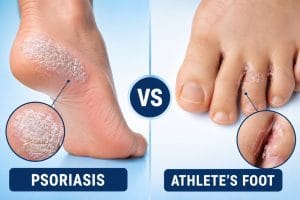
Tight shoes trap moisture and heat. This creates the perfect place for bacteria and fungus. You may get athlete’s foot, toenail fungus, or open sores. These infections make your feet itch, smell bad, or swell. Some infections become serious and need medical care. Infections are common side effects of wearing tight shoes, especially if you wear them for long hours.
Reduced Circulation
Shoes that are too tight stop blood from flowing to your feet. This causes cold feet, swelling, or numbness. Poor circulation also slows down healing. If you hurt your foot, it may take longer to get better. Reduced circulation is a hidden danger that comes from the side effects of wearing tight shoes.
Click Here to Learn about Plantar Fasciitis Treatment Phoenix
How to Choose the Right Shoes?
To keep your foot and ankle in Phoenix safe and avoid pain, follow these easy steps when picking new shoes:
- Choose shoes that fit the size and shape of your feet.
- Shop in the evening when your feet are a little bigger.
- Make sure there is space between your toes and the front of the shoe.
- The shoes should feel firm but not tight.
- Walk around in them to see if they feel good.
FAQs
What happens if you wear shoes slightly too small?
Shoes that are only a little too small can still cause pain and damage. You may get blisters, calluses, or sore toes. Small shoes can lead to foot problems over time.
How to check your kid's shoe fit?
Press the front of the shoe to check if there is space for the toes. Look at how the shoe fits around the heel and sides. Ask your child if the shoe feels too tight or hurts after walking.
What are the signs that your shoes are the wrong size?
Pain, numbness, red marks, or blisters show your shoes do not fit right. If your toes feel crowded or your heel slips, the shoes are not the right size.
What to Do When Your Shoes Are Too Tight?
You should stop wearing shoes that hurt your feet. Try a bigger size or choose a wider shoe.