
What Happens If You Ignore Your Heel Spurs?
- Published by: Payam Sarraf
- on
- | Updated on October 16, 2025
Many people feel a small ache in the heel and think it is nothing serious. Over time, the pain grows stronger and starts to affect how you walk and stand. If you ignore your heel spurs, the pain can spread and cause joint problems in your feet, ankles, or knees. In Arizona, many of our patients come to us after the pain becomes too much and daily movement feels impossible. This article explains what happens if you ignore your heel spurs.
Table of Contents
ToggleIncreased Pain
Heel spurs create more pain as time passes. A mild ache turns into a sharp feeling in the heel when you stand, walk, or get up in the morning. The tissue under the foot becomes swollen and tender. Each step feels worse because the spur presses into the soft tissue. If you ignore heel spurs, the pain becomes more frequent and harder to manage.
Difficulty Walking or Standing
As the pain increases, it affects how you move. Standing for long periods becomes very hard. Walking across a room can feel like a heavy task. Many people change how they step without even noticing. This makes the foot and leg work in an unnatural way and creates even more stress. Over time, the body loses strength and movement because it avoids using the heel normally.
Joint Stiffness or Limited Range of Motion
Long-lasting heel pain makes the joints and muscles around the foot tighten. The ankle becomes stiff and hard to move. The loss of motion limits everyday activities. Reaching, bending, and stretching the foot become painful. This makes healing slower and increases the chance of injury in the future.
Poor Balance and Higher Risk of Falls
When the heel hurts, people shift their weight to the other foot. This upsets balance and makes walking unsteady. The risk of slipping or falling rises, especially in older adults. Once the body loses proper balance, it becomes hard to walk with confidence. This problem spreads upward and adds pressure on the knees, hips, and back.
Deformities Like Hammertoe or Worsening Bunions
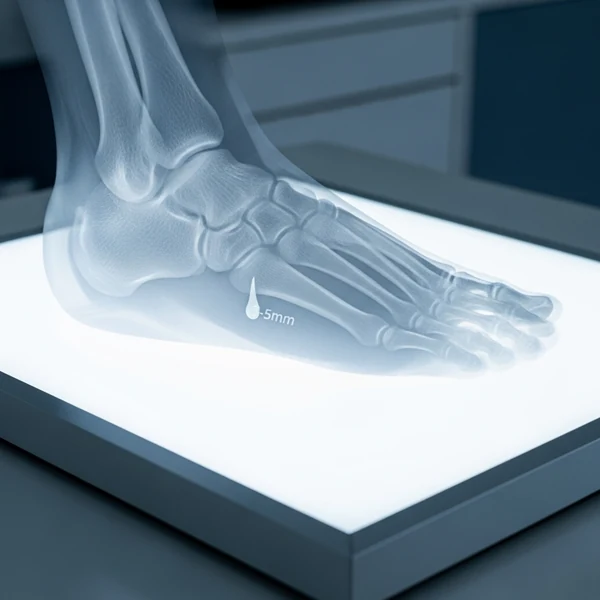
Heel spurs change the way the foot works. To avoid pain, the toes press or bend in the wrong direction. Over time, this can lead to hammertoe in Phoenix, AZ, or make bunions grow larger. The bones and joints of the foot change shape, and the damage becomes permanent without care. These deformities make wearing shoes and moving even more uncomfortable.
Misalignment in Ankles Knees or Hips
Pain from heel spurs makes people stand and walk in an unnatural way. This shifts the alignment of the ankles, knees, and hips. Over time, these joints start to hurt because they carry weight unevenly. The change in posture can even affect the lower back. This chain reaction starts with one small area in the foot but spreads across the whole body.
Nerve Damage or Numbness
Untreated heel spurs press on nearby nerves. This causes tingling, burning, or numbness in the heel or toes. In some cases, the nerves become permanently damaged. People with diabetes or poor circulation face an even higher risk of wounds and infections. This makes daily life painful and dangerous.
Conclusion
If you ignore heel spurs, you face more pain, trouble moving, joint stiffness, poor balance, deformities, misalignment, and nerve damage. Heel spurs will not heal without help. Early treatment stops the damage before it spreads to other parts of the body. At Foot and Ankle Specialty Centers in Phoenix, AZ, Dr. Payam Sarraf and his team provide expert care so you can move comfortably again and avoid these serious problems.
FAQs
Can a small foot problem really cause other health issues?
Yes. Even minor issues like a bunion or heel pain can change how you walk, leading to knee, hip, or back pain.
Can a foot and ankle center help with heel spurs that have been ignored for a long time?
Yes, a top rated foot and ankle center in Phoenix, AZ, can provide treatments for heel spurs at any stage. Even if the pain has lasted a long time, the right care can reduce symptoms, improve movement, and prevent further damage.
What are the signs that my foot problem is getting worse?
Watch for increasing pain, swelling, numbness, stiffness, or difficulty walking.
How quickly can untreated foot conditions lead to other problems?
It varies, but changes in posture or gait can cause strain on other joints within weeks to months.
Do untreated foot issues affect balance?
Absolutely. Foot pain can make you shift your weight incorrectly, increasing your fall risk, especially in older adults.
Can untreated foot pain lead to nerve damage?
Yes. Especially in diabetics, ignoring foot issues can result in neuropathy, ulcers, or even infection.

Payam Sarraf
Payam Sarraf, DPM, is a podiatry specialist and surgeon at Foot + Ankle Specialty Centers, with offices in Gilbert, Scottsdale, Chandler, and Phoenix, Arizona. Dr. Sarraf’s areas of expertise include ankle trauma, Achilles tendon ruptures, podopediatrics, ankle arthroscopy and reconstruction and biomechanics.
Related posts
- Payam Sarraf
- September 3, 2026
- No Comments
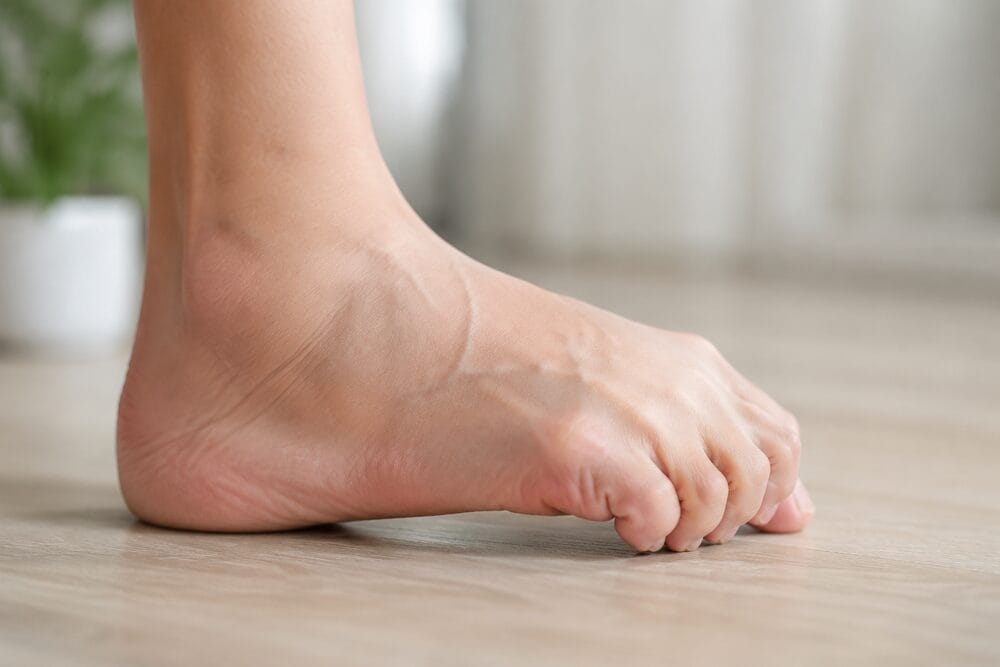
Toe curling happens when your toes bend downward and inward toward the bottom of your foot. Common causes include muscle spasms, nerve problems, dystonia, toe deformities, […]

- Payam Sarraf
- August 29, 2026
- No Comments
Cracked heels develop when dry, thick skin splits under pressure from standing or walking. To help them heal, soak your feet, exfoliate the dry skin, moisturize […]
- Payam Sarraf
- August 29, 2026
- No Comments
High heels can cause a forward weight shift, which puts extra pressure on your toes and the front of your feet. A narrow toe box may […]