

6 Methods for Achilles Tendonitis Treatment at Home
- Published by: Payam Sarraf
- on
- | Updated on August 13, 2025

Pain, tightness, or swelling in the back of your ankle often means Achilles tendonitis. It can start after too much walking, running, or standing. This happens when the tendon between your calf and heel gets irritated. If it’s not serious, you can treat it at home. In this article, we explain everything you need to know and share six simple methods for achilles tendonitis treatment at home.
Table of Contents
ToggleUse a Heel Lift
A heel lift gives your tendon a break. It slightly raises your heel inside the shoe and takes pressure off the tendon. Many people feel relief soon after using one. You can place a soft insert in both shoes so your feet stay balanced. This method supports healing by keeping your foot in a better position while walking.
Wear the Right Shoes and Inserts
Good shoes take pressure off your Achilles tendon and keep your foot in the right position. Let’s see what to look for when choosing the right shoes:
- Try to find shoes with a firm heel counter to hold your heel in place
- Choose shoes with built-in arch support
- Make sure the sole is cushioned but not too soft
- Avoid flat shoes, thin soles, or shoes with no support
- Use orthotic inserts if your foot needs extra support
Do Exercises
Easy movements can help your tendon get better. They make your legs and feet stronger and less tired. You can do these exercises at home:
| Exercise | How to Do It |
| Wall calf stretch | Stand in front of a wall. Step one foot back and keep the heel on the floor. Lean forward gently. |
| Heel drop on a step | Stand on a step with your heels hanging off the edge. |
| Lower and lift your heels | Slowly lower your heels down, then slowly lift them back up. |
Note: Do each exercise a few times every day. Stop if you feel pain.
Over-the-Counter Medication
Pain relievers help lower swelling and manage discomfort. Non-prescription drugs like ibuprofen and naproxen reduce inflammation in the tendon. You can take them with food and use them for a short time.
These medicines do not cure the problem, but they support the healing process when used correctly. Always follow the instructions on the label and talk to the best foot doctor in Phoenix if the pain does not get better.
Go Natural
Some natural remedies can help your body heal. They do not replace rest or good shoes, but they can give extra support. You can use them with other steps for achilles tendonitis treatment at home. Here are simple natural remedies to try:
- Turmeric to reduce pain and swelling in the tendon.
- Omega-3 from fish or supplements to lower swelling in the body.
- A warm Epsom salt bath to calm soreness in your foot and lower leg.
The RICE Method
The RICE method is a simple way to treat pain and swelling in the tendon. It stands for rest, ice, compression, and elevation. This is one of the best steps for achilles tendonitis treatment at home, especially in the early stages. Here is how to use the RICE method:
- Rest by staying off your feet as much as you can.
- Ice the back of your ankle for 15 to 20 minutes to reduce swelling.
- Use a bandage or brace to add gentle compression and support.
- Raise your foot above your heart while sitting or lying down to help with swelling.
Let’s Recap
Achilles tendonitis can get worse if you do not treat it early. These six methods work together to reduce pain and give your tendon time to heal. You do not need special tools or treatments to begin. If the pain stays for more than two weeks or starts to get worse, you should visit a foot doctor. Foot and Ankle Specialty Centers can help when home care is not enough. Early care prevents long-term problems and keeps you active.
FAQs
What is the fastest way to heal an Achilles tendon?
The fastest way to heal includes rest, ice, heel lifts, and the right shoes.
Is walking ok for Achilles tendonitis?
Walking is ok if there is no pain. You should walk on flat ground and wear supportive shoes.
What not to do with Achilles tendonitis?
You should not run, jump, or stretch the tendon too hard. Avoid walking barefoot and wearing unsupportive shoes.
What happens if you ignore Achilles tendonitis?
Ignoring the problem can lead to a tendon tear. This may require surgery and long recovery time.
What can be mistaken for Achilles tendonitis?
Conditions like heel bursitis, plantar fasciitis, or nerve problems may feel similar. A foot doctor can help find the exact cause.

Payam Sarraf
Payam Sarraf, DPM, is a podiatry specialist and surgeon at Foot + Ankle Specialty Centers, with offices in Gilbert, Scottsdale, Chandler, and Phoenix, Arizona. Dr. Sarraf’s areas of expertise include ankle trauma, Achilles tendon ruptures, podopediatrics, ankle arthroscopy and reconstruction and biomechanics.
Related posts
- Payam Sarraf
- September 3, 2026
- No Comments
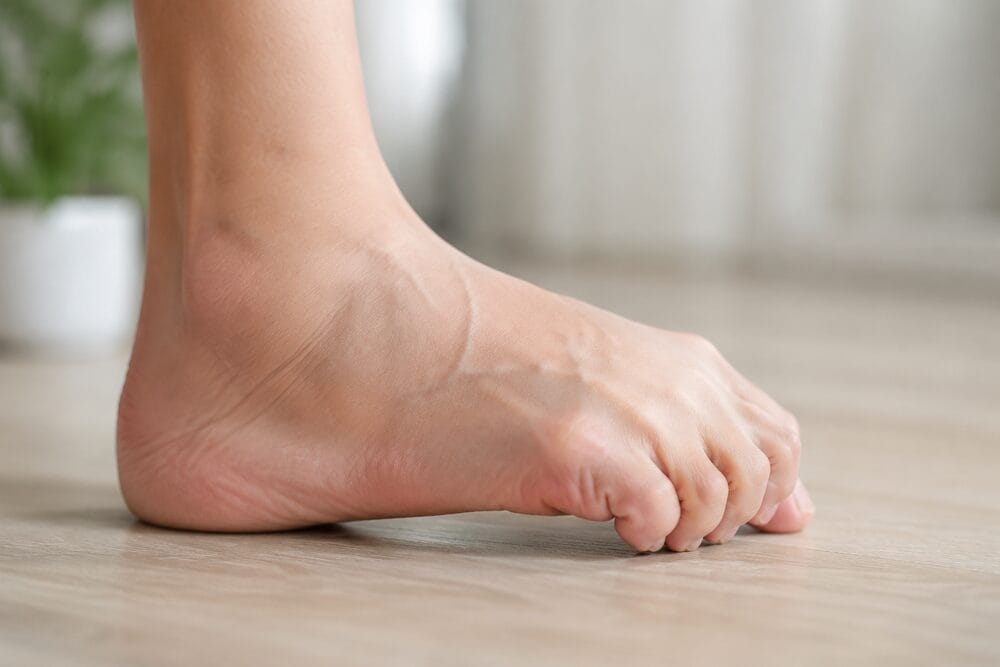
Toe curling happens when your toes bend downward and inward toward the bottom of your foot. Common causes include muscle spasms, nerve problems, dystonia, toe deformities, […]
- Payam Sarraf
- August 29, 2026
- No Comments
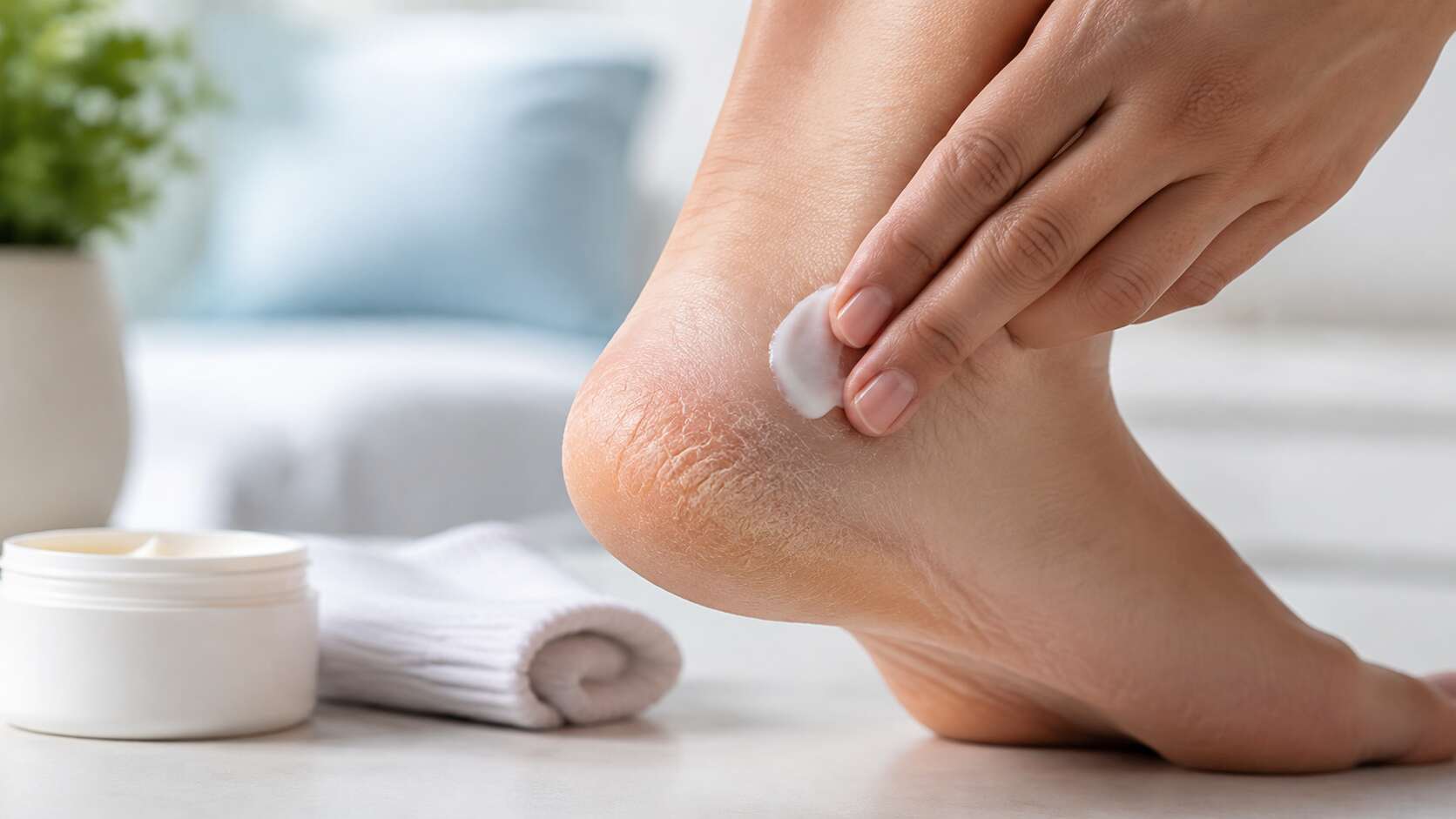
Cracked heels develop when dry, thick skin splits under pressure from standing or walking. To help them heal, soak your feet, exfoliate the dry skin, moisturize […]
- Payam Sarraf
- August 29, 2026
- No Comments
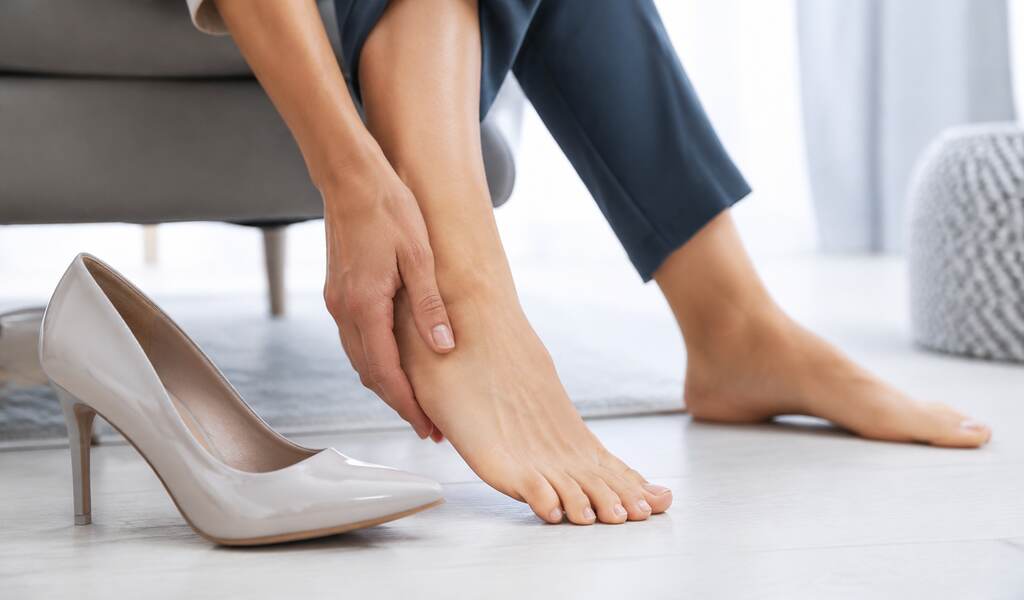
High heels can cause a forward weight shift, which puts extra pressure on your toes and the front of your feet. A narrow toe box may […]