Does Lysol Kill an Athlete’s Foot?
- Published by: Payam Sarraf
- on
- | Updated on September 17, 2026
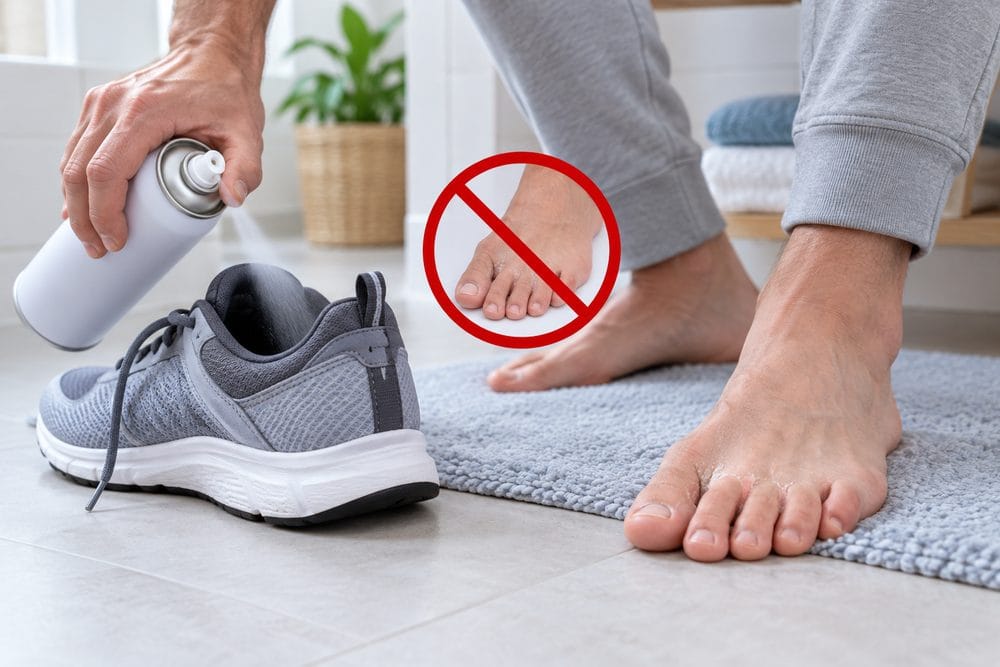
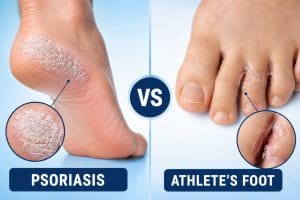
Athlete’s foot can cause itching, burning, peeling skin, and discomfort. Many people ask, “Does Lysol kill athlete’s foot fungus?” Yes, certain Lysol products may kill the fungus on approved surfaces when used as directed. However, Lysol does not treat athlete’s foot fungus on your skin. Never spray it on your feet. Using it correctly on approved floors, shoes, and other surfaces may help reduce the spread of the fungus.
In this article, Foot + Ankle Specialty Centers explains how to disinfect these areas safely and shares important tips for treating fungal foot infections.
Table of Contents
ToggleDoes Lysol Kill Athlete’s Foot Fungus?
Yes, Lysol may kill athlete’s foot fungus on approved surfaces. However, it cannot treat the infection, and you should never use it on your skin. Known for its powerful germ-killing abilities, Lysol can eliminate many types of fungi. However, you need to know how to use it properly to prevent further contamination.
Keep in mind that you can’t replace Lysol with medical treatments, such as antifungal creams prescribed by your doctor. Lysol is primarily useful for disinfecting surfaces where the fungus might thrive.
How to Disinfect Surfaces After Athlete’s Foot Fungus
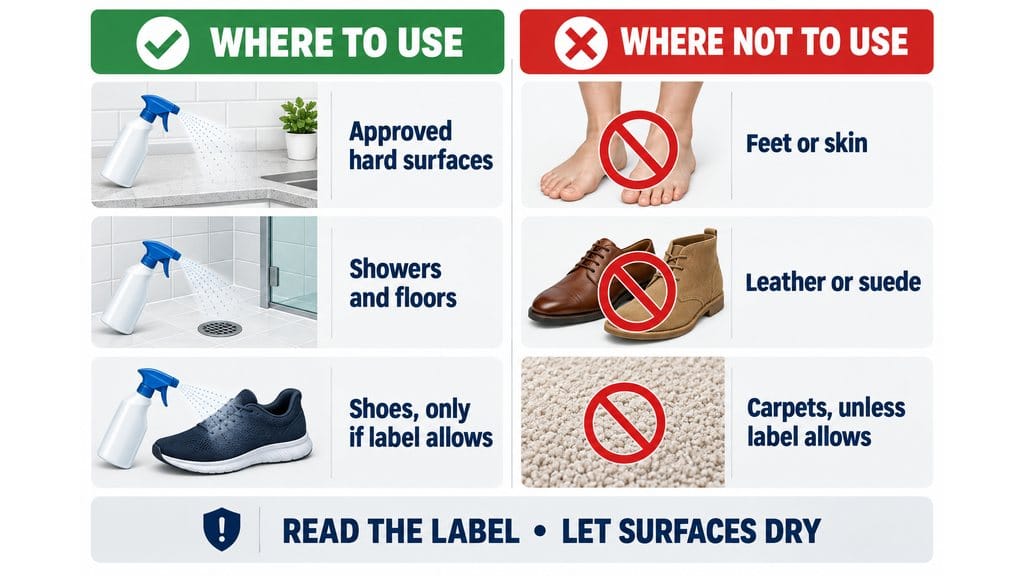
Athlete’s foot fungus can remain on floors, showers, towels, and other items. Cleaning these areas may help stop the fungus from spreading or returning. Here are the steps to disinfect surfaces after athlete’s foot:
- Clean the surface with soap and water to remove dirt, hair, and other buildup.
- Check the disinfectant label to make sure it kills fungi and is safe for the surface.
- Open a window or door to keep the area well ventilated while you clean.
- Apply enough disinfectant to cover the surface without soaking it.
- Keep the surface wet for the full contact time listed on the product label.
- Let the surface dry completely before you touch it or walk on it.
- Wash socks, towels, and bath mats after use, and do not share them with others.
The answer to “Is Lysol antifungal?” depends on the specific product. Some Lysol products can kill certain fungi on approved surfaces when used as directed. Below, we explain how to use Lysol safely in different areas.
Does Lysol Kill Athlete’s Foot Fungus in Shoes?
Some Lysol products may kill certain fungi on approved surfaces. However, this does not mean Lysol is safe or effective for every shoe. Lysol can disinfect suitable surfaces, but it cannot treat foot fungus or kill the fungus on your skin.
Before using Lysol for athlete’s foot fungus in shoes, keep these points in mind:
- Read the Lysol label and follow its instructions.
- Check the shoe manufacturer’s cleaning and care instructions.
- Consider the shoe material. Lysol may damage leather, suede, and other sensitive materials.
- Use the product in a well-ventilated area.
Below is how you can benefit from Lysol’s antifungal effect if the product is suitable for your shoes:
- Remove the insoles if the shoe-care instructions allow it.
- Apply a light spray inside the shoes, including the toe and heel areas.
- Lightly spray suitable insoles.
- Do not soak or saturate the shoes.
- Let the shoes and insoles dry completely.
- Never wear shoes while they are still wet.
Disinfecting suitable shoes may help reduce fungus in your environment, but it will not clear the infection on your feet. Use an antifungal treatment for foot or nail fungus, keep your feet dry, and wear clean moisture-wicking socks to lower the risk of recurring fungal foot infection.
Benefits of Lysol for Athlete’s Foot Fungus
There are many benefits for using Lysol for athlete’s foot and reducing the risk of reinfection. Here are some of them:
- Lysol’s powerful ingredients can kill the fungus responsible for fungus between the toes, helping stop its spread.
- Regularly using Lysol to disinfect high-contact areas, such as shoes and shower floors, can reduce the chances of getting reinfected with the fungus.
- Lysol is widely available and easy to use for disinfecting common surfaces and items.
- Lysol helps eliminate odors in shoes.
How Long Does Lysol Take to Kill Fungus on Surfaces?
The required contact time depends on the Lysol product and the type of surface. Check the label to make sure the product targets fungi and is approved for the surface you want to clean.
- Keep the surface visibly wet for the contact time on the label.
- Use the product in a well-ventilated area.
- Let the cleaned area dry completely.
- Avoid using it on shoes, carpets, or fabrics unless these materials appear in the instructions.
Never apply Lysol to your skin. It is an environmental disinfectant, not an athlete’s foot treatment. The U.S. Environmental Protection Agency recommends following the product’s directions to disinfect surfaces safely. Use an antifungal medicine made for the skin to treat the infection.
How to Treat Athlete’s Foot Fungus
Foot fungus requires an antifungal product that is safe for the skin. Apply an over-the-counter antifungal cream, spray, or powder as directed. Keep your feet clean and dry, change your socks daily, and let your shoes dry between uses.
Disinfecting shoes and household surfaces may help stop the fungus from spreading, but it will not cure the infection on your feet. Get medical care if the symptoms become worse or do not improve after treatment.
When Athlete’s Foot Fungus Needs Professional Care
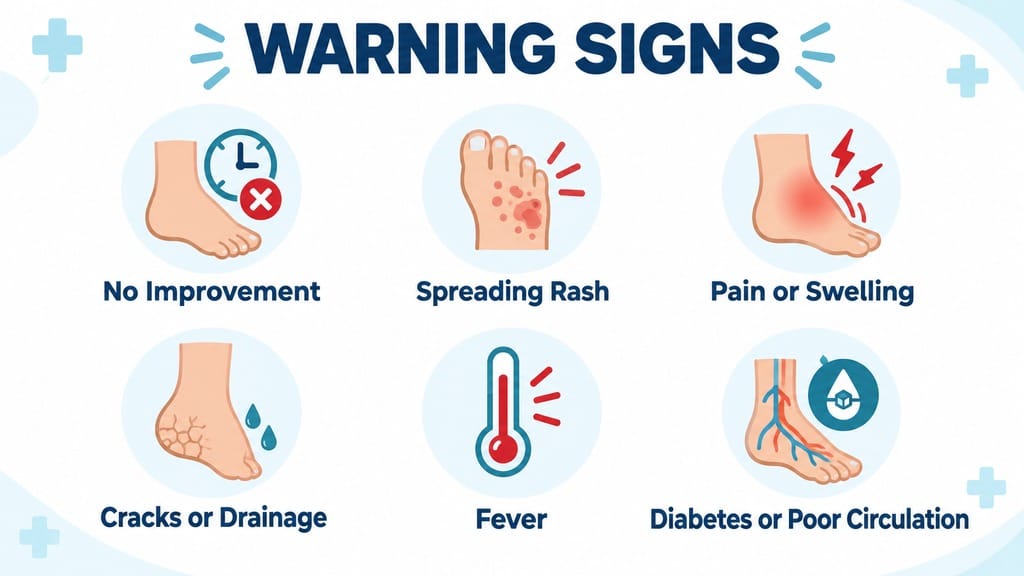
Mild foot fungus often improves with an over-the-counter antifungal treatment. However, some infections need professional care. Here are signs that you should get help:
- Your symptoms do not improve after using an antifungal product as directed.
- The rash spreads or keeps returning.
- Your skin becomes painful, swollen, warm, or very red.
- You notice deep cracks, open sores, pus, or unusual drainage.
- You develop a fever.
- You have diabetes, poor circulation, or a weak immune system.
If you have diabetes, itchy feet can have several causes, and a fungal infection is only one of them. If you are unsure about the cause, read our article about itchy feet with diabetes.
Join the thousands of patients who trust Foot + Ankle Specialty Centers, backed by over 1,000 five-star Google reviews. Dr. Payam Sarraf, DPM, and our experienced team provide personalized care to relieve your symptoms and keep your feet healthy. Schedule your appointment today and take the first step toward lasting relief.
The Bottom Line
Using Lysol for athletes’ foot fungus can be an effective method to prevent the spread of athlete’s feet by killing fungus on surfaces like shoes, carpets, and showers. However, in addition to using Lysol, you need to follow proper foot hygiene and antifungal treatments to fully address the infection.
Remember, before taking any serious measures to eradicate fungus, always consult with a healthcare professional for effective treatments.
FAQ
Lysol is good for disinfecting surfaces and items that may harbor the fungus but should not replace medical treatments.
Yes, Lysol can disinfect shower surfaces to eliminate fungi that may thrive in warm, damp environments.
Tea tree oil for nail fungus may help improve mild symptoms, but research is limited, and it may not completely clear the infection.
Some Lysol sprays may kill certain fungi in suitable shoes, but check the label and shoe-care instructions carefully before use first.
Some Lysol Laundry Sanitizer products may kill certain fungi when used exactly as directed, but always check the product label.
If you are wondering, does Lysol kill fungus, some Lysol products can kill certain fungi on approved surfaces when used as directed.
Yes, Lysol antifungal spray can kill athlete’s foot fungus on surfaces like shoes and floors, but it should not be used directly on the skin.
- 6

Payam Sarraf
Payam Sarraf, DPM, is a podiatry specialist and surgeon at Foot + Ankle Specialty Centers, with offices in Gilbert, Scottsdale, Chandler, and Phoenix, Arizona. Dr. Sarraf’s areas of expertise include ankle trauma, Achilles tendon ruptures, podopediatrics, ankle arthroscopy and reconstruction and biomechanics.
Related posts
- Payam Sarraf
- September 3, 2026
- No Comments
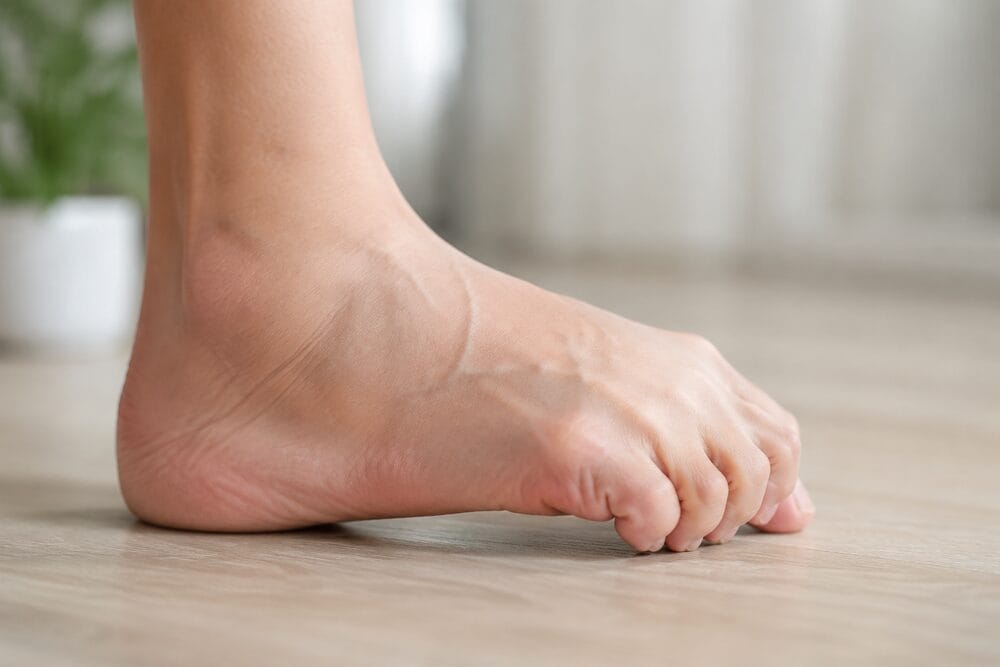
Toe curling happens when your toes bend downward and inward toward the bottom of your foot. Common causes include muscle spasms, nerve problems, dystonia, toe deformities, […]
- Payam Sarraf
- August 29, 2026
- No Comments
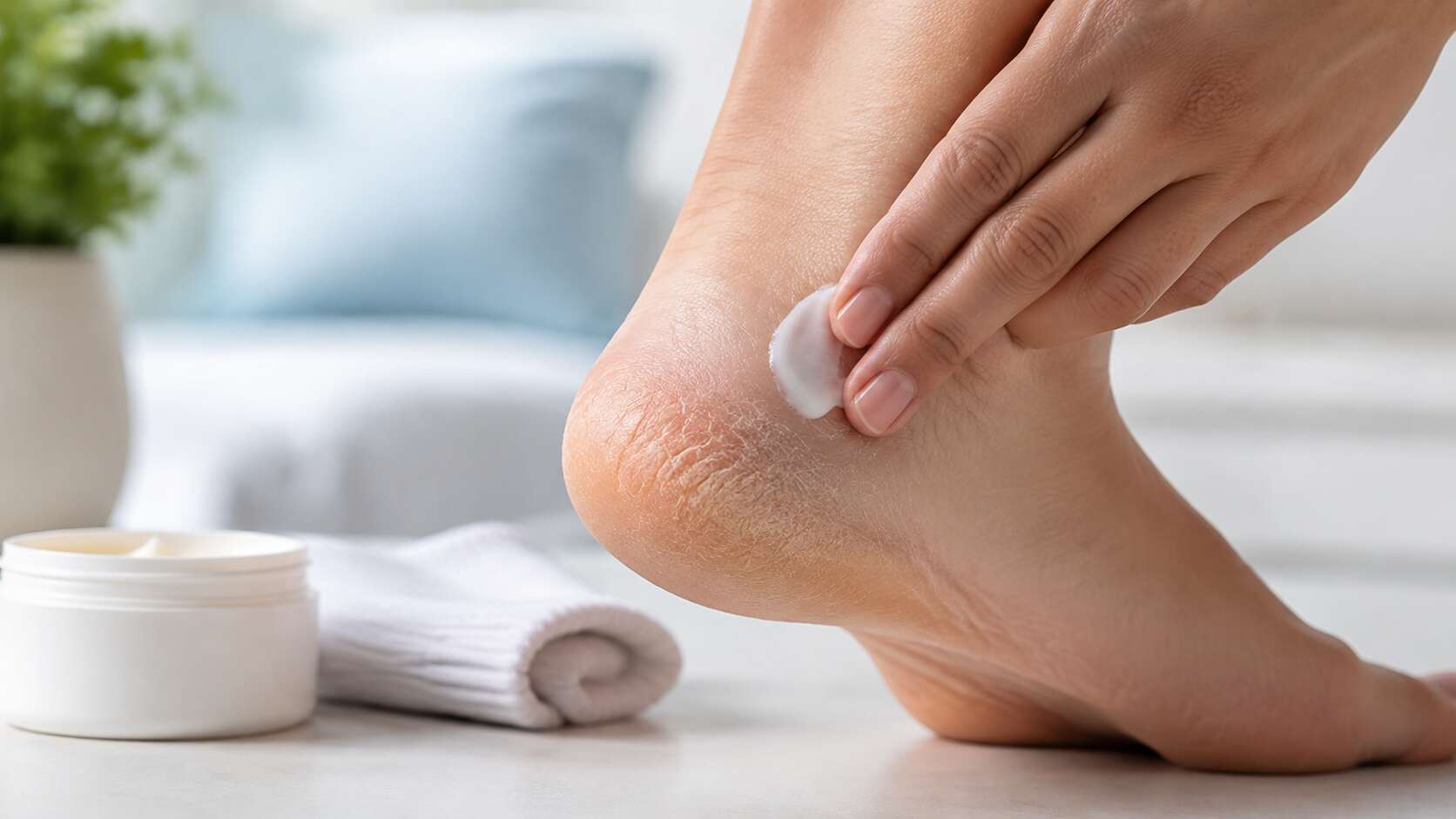
Cracked heels develop when dry, thick skin splits under pressure from standing or walking. To help them heal, soak your feet, exfoliate the dry skin, moisturize […]
- Payam Sarraf
- August 29, 2026
- No Comments
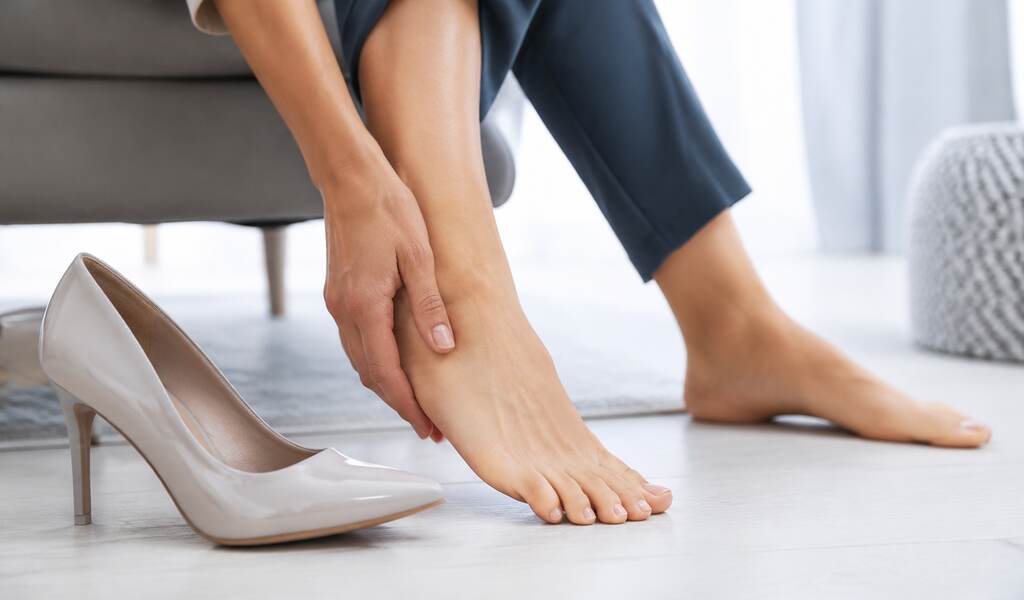
High heels can cause a forward weight shift, which puts extra pressure on your toes and the front of your feet. A narrow toe box may […]