







10 Common Foot Problems in the Elderly
- Published by: Payam Sarraf
- on
- | Updated on February 17, 2026
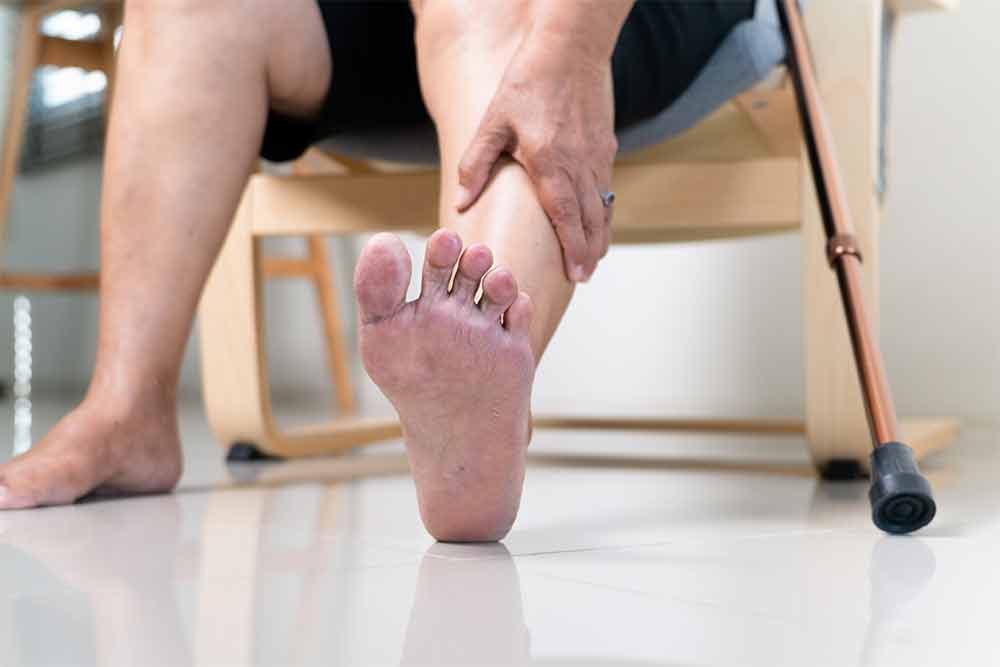
Many older adults feel foot pain every day. Some ignore it, and some think it is normal with age. But painful feet can stop people from walking, enjoying family time, or doing simple tasks. When someone understands the real cause of the pain, they can treat it early. This guide explains the 10 common foot problems in the elderly and shows how older people can protect their feet with care and proper treatment.
Table of Contents
ToggleWhy Foot Health Matters as You Age
As you age, your feet go through many changes. Taking care of them helps you stay active, safe, and independent. Below are reasons why foot health matters as you age:
- Skin gets thinner and drier
- Fat pads wear down and cause pressure pain
- Muscles in the feet become weaker
- Bones may shift and change shape
- Nerves lose feeling, making it hard to sense pain or pressure
- Walking becomes harder and balance may decrease
- Foot pain can limit movement and daily activity
- Less movement can lead to other health problems
- Healthy feet support strength, balance, and independence
Top 10 Foot Problems Faced by Older Adults
Many seniors face foot issues that come from medical conditions or from years of stress on the feet. The 10 common foot problems in the elderly affect balance, walking, and daily comfort. Below are the most common ones that doctors see in older adults.
Balance-related foot issues
Foot pain, weak muscles, and numbness affect balance in older adults. Some people cannot feel their feet well, and others have foot joints that are stiff or unstable. These problems make standing or walking difficult.
Diabetic foot problems
Diabetes damages nerves and weakens blood flow to the feet. Some people lose feeling in their toes or soles. Others get wounds that do not heal well. This may lead to infections or ulcers. In serious cases, the damage becomes permanent.
Arthritis
Arthritis causes swelling and stiffness in foot joints. It often affects the toes, heel, or middle part of the foot. Moving becomes painful, especially in the morning or after sitting. Older people with arthritis may have trouble walking or fitting into regular shoes. Some notice the bones in their feet look deformed. Proper care can reduce pain and improve movement.
Heel Pain and Plantar Fasciitis
Heel pain often comes from a condition called plantar fasciitis. This happens when a thick band of tissue on the bottom of the foot becomes inflamed. The pain feels sharp and usually starts after getting out of bed or standing up after rest. It often affects people who stand or walk a lot. Good shoes and foot support can help.
Bunions
A bunion is a bony bump near the base of the big toe. The big toe moves inward and causes pain, swelling, and pressure. Shoes feel tight and walking becomes hard. Bunion problems in Phoenix grow slowly, and the problem often runs in families. In older adults, bunions may become more severe.
Ingrown toenails
Ingrown nails press into the skin and cause pain, redness, or swelling. This often happens when people cut their nails too short or wear tight shoes. Infections can develop if the nail breaks the skin. Older adults may not notice the problem right away, especially if they have poor vision or limited movement. Treating an ingrown nail early stops it from getting worse.
Nerve problems
Nerve damage in the feet causes burning, numbness, or tingling. It may feel like walking on pins. Many older adults with diabetes or poor circulation suffer from this problem. Without proper feeling in the feet, a person might not notice cuts, injuries, or ulcers. This can lead to serious health issues.
Toenail Fungus
Fungal infections in toenails make them thick, yellow, and hard to cut. The nail may crack or smell. Fungus spreads slowly and becomes harder to treat over time. Older people often get this problem because their nails grow slower, and the immune system weakens with age. Treating nail fungus early keeps the feet clean and healthy.
Hammertoes
A hammertoe bends downward instead of staying straight. It usually affects the second, third, or fourth toe. Hammertoes may cause pain and rub against shoes. Corns or blisters can form. The toe may become stiff if left untreated. Older adults often develop this condition due to poor shoe choices or muscle imbalance.
Fat pad loss
As people age, the padding on the bottom of the foot wears away. This is called fat pad loss. Without this cushion, walking feels painful, especially on hard floors. Pressure builds up in the ball or heel of the foot. Many seniors feel like they are stepping on rocks.
Easy Foot Care Habits to Stay Pain-Free as You Age
Taking care of your feet every day helps prevent pain and serious problems. These small steps can keep your feet healthy as you age:
- Wash feet every day with warm water and mild soap
- Dry feet well, especially between the toes
- Use lotion on dry skin, but avoid the spaces between toes
- Check feet daily for cuts, swelling, or color changes
- Trim toenails straight across and not too short
- Wear shoes that fit well and support the feet
- Choose shoes with enough room for the toes
- Avoid walking barefoot on hard floors
- People with diabetes should check feet more often
Visit Foot and Ankle Specialty Centers for trusted care in foot and ankle problems. Dr. Payam Sarraf has helped many older adults stay active and pain-free. With over 700 five-star Google reviews, you can feel confident your feet are in good hands.
Safe and Simple Foot Treatments for Seniors
Many foot problems in older adults can be treated easily without surgery. Getting early treatment helps stop the pain from getting worse. Below are some common foot problems and how they can be treated.
| Foot Problem | Treatment Options |
| Arch pain or pressure | Orthotic shoe inserts to support the foot |
| Weak feet or poor balance | Physical therapy to build strength and improve balance |
| Nail fungus or infections | Medicine or laser treatment |
| Ingrown toenails or corns | Small in-office procedure to remove them |
| Diabetic foot issues | Wound care and regular foot checks |
| Trouble with balance | Therapy or walking aids to prevent falls |
Final Thoughts
Foot problems are very common in older adults. But pain, swelling, or changes in the feet should not be ignored or seen as a normal part of aging. The 10 common foot problems in the elderly often start small but can lead to serious issues if not treated. Taking care of your feet early helps you walk with ease, avoid falls, and stay independent.
For expert help with senior foot care, visit Foot and Ankle Specialty Centers or contact us at (480) 812-3668 to schedule your appointment today.
FAQs
Why do my feet hurt more as I get older?
Feet lose fat, muscles get weak, and joints wear down. These changes cause pain, even during normal activity.
When should I see a foot specialist?
See a good foot doctor in Phoenix if you have pain, numbness, swelling, wounds, or trouble walking. Early care makes recovery easier.
How can I improve my balance and avoid falls?
Wear shoes with strong support, exercise to build foot strength, and treat foot pain early.
Are thick, yellow toenails normal with age?
No. This often means toenail fungus. It needs treatment before it spreads.
What should I look out for if I have diabetes?
Check for cuts, sores, swelling, or numb spots. These signs may lead to bigger problems if ignored.

Payam Sarraf
Payam Sarraf, DPM, is a podiatry specialist and surgeon at Foot + Ankle Specialty Centers, with offices in Gilbert, Scottsdale, Chandler, and Phoenix, Arizona. Dr. Sarraf’s areas of expertise include ankle trauma, Achilles tendon ruptures, podopediatrics, ankle arthroscopy and reconstruction and biomechanics.
Related posts
- Payam Sarraf
- September 3, 2026
- No Comments
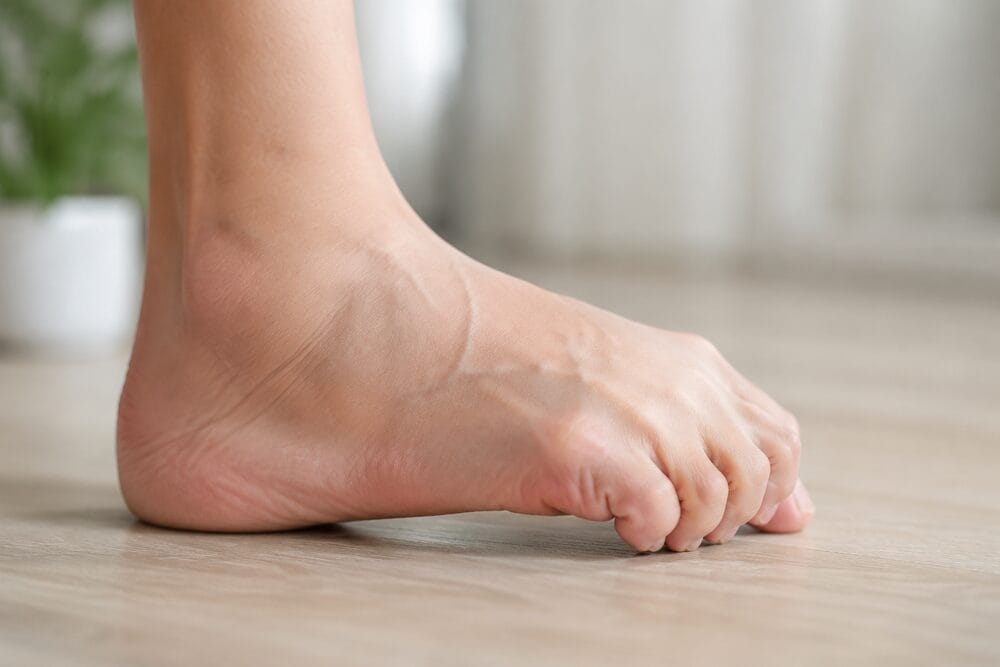
Toe curling happens when your toes bend downward and inward toward the bottom of your foot. Common causes include muscle spasms, nerve problems, dystonia, toe deformities, […]
- Payam Sarraf
- August 29, 2026
- No Comments
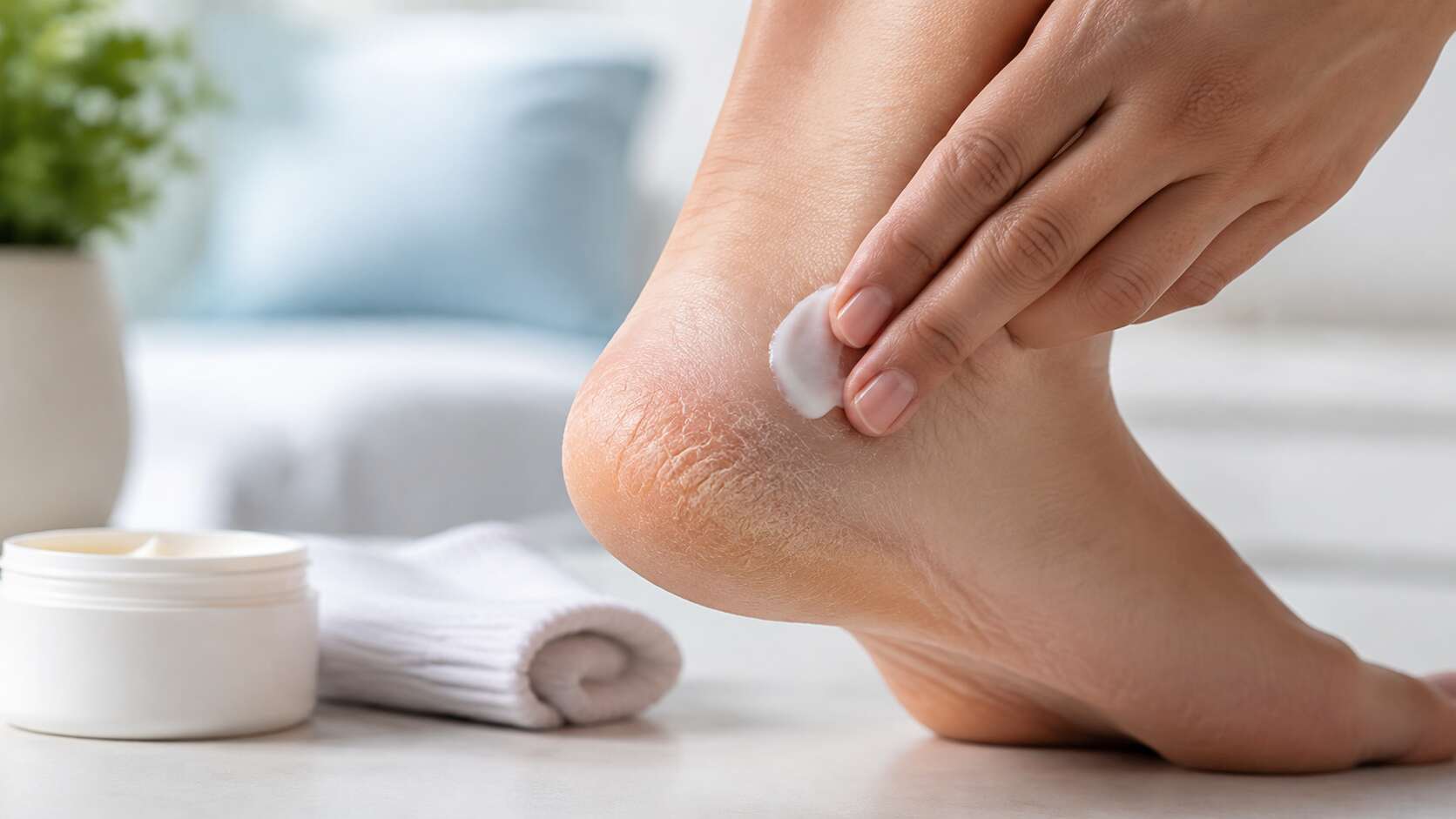
Cracked heels develop when dry, thick skin splits under pressure from standing or walking. To help them heal, soak your feet, exfoliate the dry skin, moisturize […]
- Payam Sarraf
- August 29, 2026
- No Comments
High heels can cause a forward weight shift, which puts extra pressure on your toes and the front of your feet. A narrow toe box may […]