

Toenail Fungus vs Nail Damage: What are the Differences?
- Published by: Payam Sarraf
- on
- | Updated on May 28, 2026
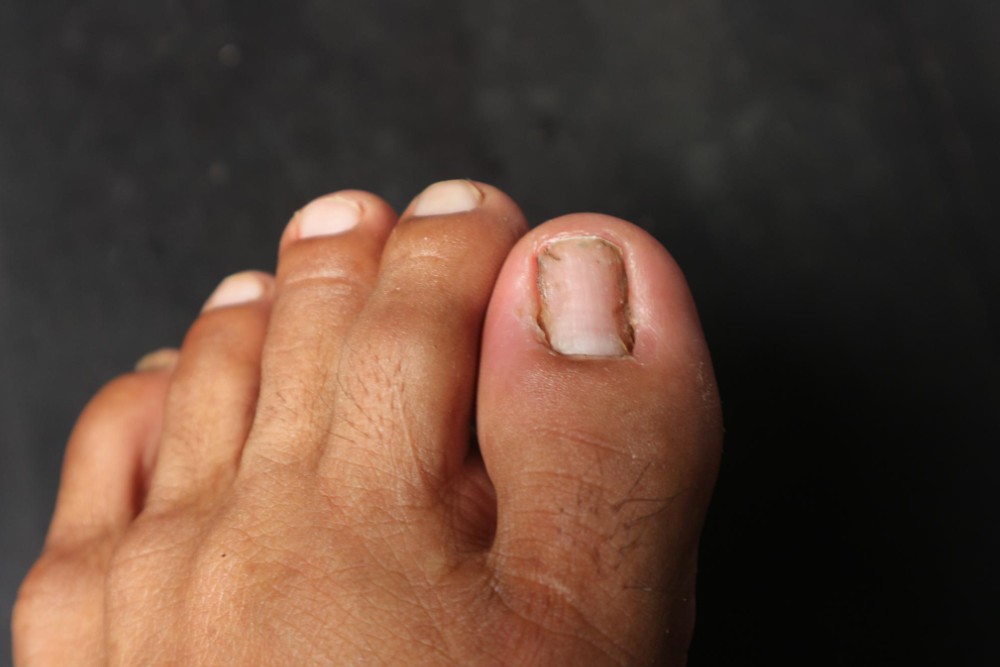
Have you ever looked down at your toes and thought, “What in the world is happening to my nail?” If your toenail has turned yellow, thickened, or developed a sudden dark spot, you might if it’s fungus or just an injury. Most people panic‑Google “toenail fungus vs nail damage” and immediately assume the worst. Then they grab an over‑the‑counter antifungal and hope it works.
The problem is that nail damage from shoes, running, stubbing a toe, or any small injury can look almost exactly the same as toenail fungus symptoms.
Join Comprehensive Pain Management in Phoenix (rated 4.9 on Google) to learn the differences between toenail fungus and nail damage. You’ll learn what each one looks like, how to tell if toenail is fungus or damage, and what signs actually matter.
Table of Contents
ToggleThe Differences Between Toenail Fungus and Nail Damage
It’s very common to mix these two conditions up because they share so many of the same symptoms, such as discoloration, thickening, brittleness, and even the nail lifting from the nail bed.
Let’s break down the differences between toenail fungus vs nail damage in simple pieces:
Color and Appearance
Fungus usually causes yellow, white, or brown discoloration. It often starts at the tip or side of the nail and slowly moves inward. People also notice patchy or streaky areas that spread over time.
Nail damage often shows up all at once. If you drop something on your toe, run long distances, or wear tight shoes, you can get a subungual hematoma, which is blood trapped under the nail. That creates a dark red, purple, or black spot. The color has a sharp edge and often fades as the nail grows. Foot doctors in Phoenix say that if the nail turns white or gets little white lines, that’s usually from trauma, not fungus. These are harmless and very common.
Cause
This is a big difference between toenail fungus vs nail damage. Toenail fungus happens slowly. You won’t see sudden changes overnight. It’s more common in people who wear tight or sweaty shoes, walk barefoot in gyms or pools, or have health issues like diabetes or poor circulation. Fungus is also contagious, which means it can spread to other nails.
Nail damage happens suddenly. A long hike, a new pair of shoes, or accidentally kicking something can cause instant nail discoloration. And nail trauma vs fungal infection is usually easy to separate once you know the timeline: trauma is quick, fungus is slow.
Spread
This is an important difference between toenail fungus vs nail damage. Fungal infections gradually spread because the fungus continues growing along the nail plate and can move to nearby nails over time. Trauma, however, does not spread. Its effects stay limited to the single nail that was hit or pressured. If the issue slowly appears in additional nails, fungus becomes the far more likely cause.
Nail Texture and Thickness
Fungus causes the nail to thicken gradually. The nail might feel crumbly or chalky, especially underneath where nail keratin debris builds up. Many people see uneven, rough texture that worsens slowly.
Trauma can also thicken a nail, but the thickening comes from repeated pressure or one strong injury. The nail might grow out with ridges or grooves. Unlike fungus, it usually doesn’t crumble.
Smell
Smell is a good way to see the differences between toenail fungus vs nail damage. Toenail fungus can create a mild but noticeable odor due to fungal overgrowth and debris collecting under the nail. Trauma does not produce any smell because it involves physical damage, not microbial activity. If odor develops or becomes stronger with time, it points more toward an active fungal infection.
Progression Over Time
Fungus progressively worsens without treatment. The nail may thicken, discolor further, become brittle, or even lift from the nail bed as fungal growth increases. Trauma generally follows the opposite pattern: as the nail grows out and pressure stops, the discoloration and damage slowly improve instead of getting worse.
Number of Nails Affected
Fungal infections commonly affect multiple nails, especially if conditions allow the fungus to spread, like moisture, shared tools, or barefoot environments. Trauma, on the other hand, typically impacts just one nail, the one that experienced direct force or repetitive pressure. Multiple nails changing at once leans strongly toward fungus.
How to Tell if Toenail Is Fungus or Damage
Now you know the differences between toenail fungus vs nail damage, let’s see how to tell them apart:
| Fungus | Trauma (Nail Damage) | |
| Appearance | Gradual yellow/brown discoloration; crumbly edges; spreads inward over time | Sudden dark spot or bruise with sharp borders; appears right after pressure, long run, or impact |
| Number of Nails | Can affect several nails | Usually only one nail |
| Timeline | Changes develop slowly over months | Changes appear overnight or within a day |
| Smell | May produce odor | No smell |
| Spread | Can spread to other nails | Stays confined to the injured nail |
| Improvement Pattern | Doesn’t improve without treatment | Improves as nail grows out and injury heals |
| Dark/Black Nails | Hard to diagnose visually; may or may not be fungus | Common after trauma; can mimic fungus |
| Specialist Tests | KOH test, culture, PAS stain, dermoscopy, visual exam | Same tests used to rule out fungus; trauma has distinct patterns on dermoscopy |
Expert Treatments for Nail Damage and Toenail Fungus in Phoenix
It’s completely normal to feel confused when trying to figure out toenail fungus vs nail damage. The two conditions look surprisingly alike, and in many cases, only small clues tell them apart.
If you’re unsure or your nail just isn’t improving, it’s worth getting a real diagnosis so you can finally move forward with the right plan. Foot + Ankle Specialty Centers. Dr. Payam Sarraf and his team offer professional nail damage and toenail fungus treatments in Phoenix that result in adults having strong, comfortable, pain‑free movement.
Call us at 480-812-3668, or visit one of our locations in the valley in Scottsdale, Phoenix, Chandler, Mesa, or Gilbert.
FAQs
Can toenail fungus go away on its own?
No. Toenail fungus almost never clears without treatment and usually gets thicker or spreads. Topical or oral antifungals work far better, especially early.
How long does it take for a damaged toenail to grow back?
Most toenails need 6–12 months to fully grow out. If the nail matrix was injured, the new nail may grow back with ridges or a different shape.
Is toenail fungus contagious to other people?
Yes. It spreads through shared floors, showers, shoes, and nail tools—and from nail to nail on your own foot. Keeping feet dry and using sandals in public areas helps.
Can nail damage turn into fungus?
Yes. Trauma weakens the nail and makes it easier for fungus to get in, which is why damage and fungus sometimes overlap.
How do I know if my black toenail is serious?
A black toenail from trauma should fade or grow out. If it doesn’t improve, spreads, or appears without a clear injury, it needs to be checked, as rare serious causes can look similar.
- 1

Payam Sarraf
Payam Sarraf, DPM, is a podiatry specialist and surgeon at Foot + Ankle Specialty Centers, with offices in Gilbert, Scottsdale, Chandler, and Phoenix, Arizona. Dr. Sarraf’s areas of expertise include ankle trauma, Achilles tendon ruptures, podopediatrics, ankle arthroscopy and reconstruction and biomechanics.
Related posts
- Payam Sarraf
- September 3, 2026
- No Comments
Toe curling happens when your toes bend downward and inward toward the bottom of your foot. Common causes include muscle spasms, nerve problems, dystonia, toe deformities, […]

- Payam Sarraf
- August 29, 2026
- No Comments
Cracked heels develop when dry, thick skin splits under pressure from standing or walking. To help them heal, soak your feet, exfoliate the dry skin, moisturize […]

- Payam Sarraf
- August 29, 2026
- No Comments
High heels can cause a forward weight shift, which puts extra pressure on your toes and the front of your feet. A narrow toe box may […]