

Signs It’s Plantar Fasciitis
- Published by: Payam Sarraf
- on
- | Updated on April 21, 2026

Heel pain interrupts daily life and slows down simple tasks. Many try to ignore the pain, but it often grows stronger over time. The signs of plantar fasciitis in Phoenix appear in predictable ways, and understanding them helps you take action sooner. At Foot & Ankle Specialty Centers, Dr. Payam Sarraf, DPM, offers expert care for this condition and supports patients who want clear answers and real relief. In this article, we tell you all you need to know so you can understand what these signs mean and what to do next.
Table of Contents
Toggle7 Common Signs of Plantar Fasciitis
The symptoms of plantar fasciitis follow a pattern that many patients notice over time. The pain often starts small and grows as the tissue in the foot becomes irritated. Dr. Payam Sarraf at Foot & Ankle Specialty Centers sees these symptoms every day and helps patients understand what each one means. Below, we explain the most common signs of plantar fasciitis in Phoenix.
Post-Rest Stiffness
Post-rest stiffness shows up after a period of sitting or resting. The foot tightens again, and the first steps feel stiff, sore, and uncomfortable. This symptom repeats throughout the day and often frustrates patients who move from task to task.
Heel Tenderness
Heel tenderness develops on the bottom of the heel, usually on the inner side. Many patients feel strong pain when they press this spot or walk barefoot on hard floors. The tenderness often becomes more noticeable as you take more steps during the day.
Arch Discomfort
Arch discomfort spreads along the bottom of the foot as the tissue strains under pressure. This symptom often follows heel pain and becomes more noticeable after long periods of activity. Patients describe a tight or pulling feeling that makes the foot feel weak or unstable.
When arch discomfort appears with other symptoms, it shows that the foot tissue is under strain. Early care helps prevent the problem from turning into long‑term pain.
Activity-Related Pain
Activity-related pain grows during the day as the foot stays under stress. Many patients feel more pain after long walks, long work shifts, or long periods on hard surfaces. The pain may start mild and increase steadily. This symptom often affects daily routines and reduces comfort with each step.
Morning Heel Pain
Morning heel pain appears when the foot first touches the ground after sleep. The tissue under the foot tightens during the night and stretches suddenly when you stand. That stretch creates sharp pain in the heel. Many patients report this as one of the earliest signs of plantar fasciitis in Phoenix.
Mild Heel Swelling
Mild heel swelling can form near the bottom of the heel when the tissue becomes irritated. The area may feel warm, tight, or slightly puffy, which makes movement more uncomfortable. The change is usually small, but it adds to the overall discomfort. When this swelling appears along with other symptoms, it is a good sign that you need professional foot care in Phoenix.
Post-Exercise Soreness
Post-exercise soreness develops after physical activity instead of during it. Many patients feel fine during activity but experience intense soreness later in the day or the next morning. This delayed pain pattern often confuses people, but it matches the condition very closely. When this soreness repeats after each activity, it becomes one more clear sign that treatment is necessary.
When to See a Doctor for Persistent Heel Pain
Persistent heel pain demands attention when the pain lasts for more than a few weeks or interferes with daily life. Ongoing discomfort signals that the foot cannot recover on its own. Professional care prevents the condition from progressing and protects long-term foot health.
With over 1000 five‑star reviews, Dr. Payam Sarraf, DPM, and our team at Foot & Ankle Specialty Centers provide care you can trust. If the signs appear often, you can call us at 480‑812‑3668 to schedule an evaluation and start moving with comfort again.
How to Tell Plantar Fasciitis Apart from Other Heel Problems
Plantar fasciitis creates a clear pattern of symptoms that separates it from other heel conditions. The pain often appears under the heel or through the arch, and it becomes stronger with the first steps after rest. Other problems cause pain in different places or under different movements. Understanding this pattern helps identify the issue early
Final Thoughts
Heel pain limits mobility and affects every part of the day. The signs of plantar fasciitis create a pattern of morning pain, stiffness, tenderness, and soreness that worsens with activity. Early care improves outcomes and prevents long-term issues.
Payam Sarraf, DPM, at Foot & Ankle Specialty Centers provides effective treatment backed by over 1000 five‑star reviews. Visit our convenient locations in Gilbert, Scottsdale, Chandler, and Phoenix, Arizona or call us at 480‑812‑3668 to get the treatment you deserve.
FAQs
Are early symptoms mild or noticeable right away?
Symptoms often begin as a light ache that comes and goes, so many people ignore them at first. With time, the discomfort grows more noticeable, especially after long days on your feet.
How do I know if my heel tenderness is plantar fasciitis?
Plantar fasciitis tenderness usually sits on the bottom inner heel and feels sharp or sore to the touch. If the pain increases when you press on that specific spot, it often points to this condition.
Can arch pain be a sign of plantar fasciitis?
Yes, the fascia runs from the heel to the toes, so stress on this band can create pain in the arch area.
Does heel swelling mean I have plantar fasciitis?
Heel swelling can happen because the inflamed tissue creates irritation and mild puffiness. However, swelling alone does not confirm plantar fasciitis and needs a proper exam for clarity.
Why does my heel hurt after exercise but not during?
Exercise warms the foot tissue and temporarily reduces pain while you stay active. Pain often arrives later because the tissue cools, tightens, and reacts to the earlier strain.
Are symptoms worse after long periods of standing or sitting?
Yes, symptoms usually flare after long sitting or standing because the fascia tightens during stillness.
- 1

Payam Sarraf
Payam Sarraf, DPM, is a podiatry specialist and surgeon at Foot + Ankle Specialty Centers, with offices in Gilbert, Scottsdale, Chandler, and Phoenix, Arizona. Dr. Sarraf’s areas of expertise include ankle trauma, Achilles tendon ruptures, podopediatrics, ankle arthroscopy and reconstruction and biomechanics.
Related posts
- Payam Sarraf
- September 3, 2026
- No Comments
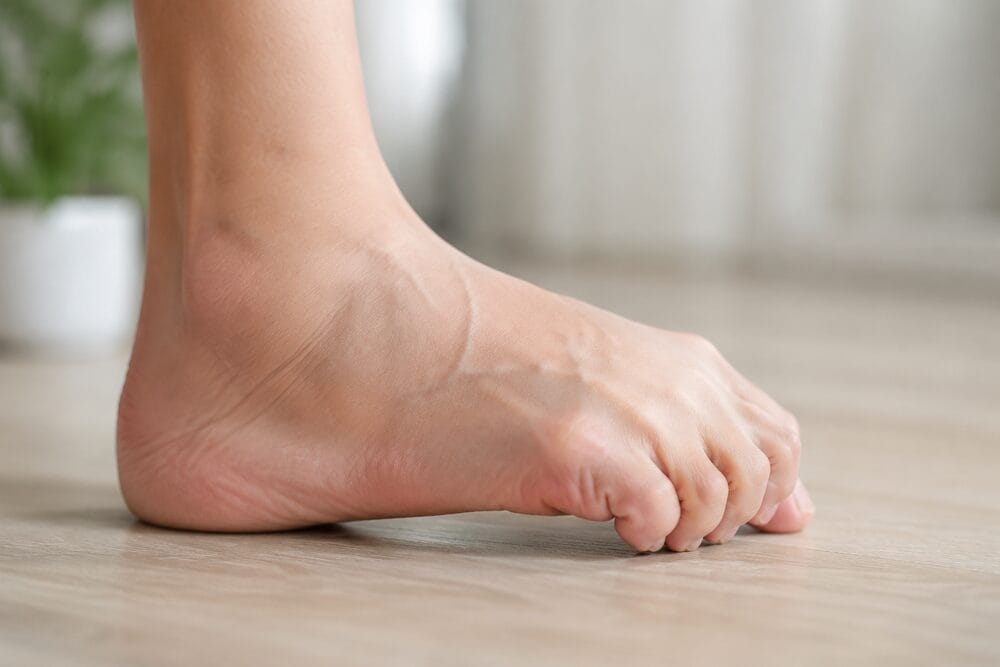
Toe curling happens when your toes bend downward and inward toward the bottom of your foot. Common causes include muscle spasms, nerve problems, dystonia, toe deformities, […]

- Payam Sarraf
- August 29, 2026
- No Comments
Cracked heels develop when dry, thick skin splits under pressure from standing or walking. To help them heal, soak your feet, exfoliate the dry skin, moisturize […]

- Payam Sarraf
- August 29, 2026
- No Comments
High heels can cause a forward weight shift, which puts extra pressure on your toes and the front of your feet. A narrow toe box may […]