
What Is Metatarsalgia in Women?
- Published by: Payam Sarraf
- on
- | Updated on April 21, 2026
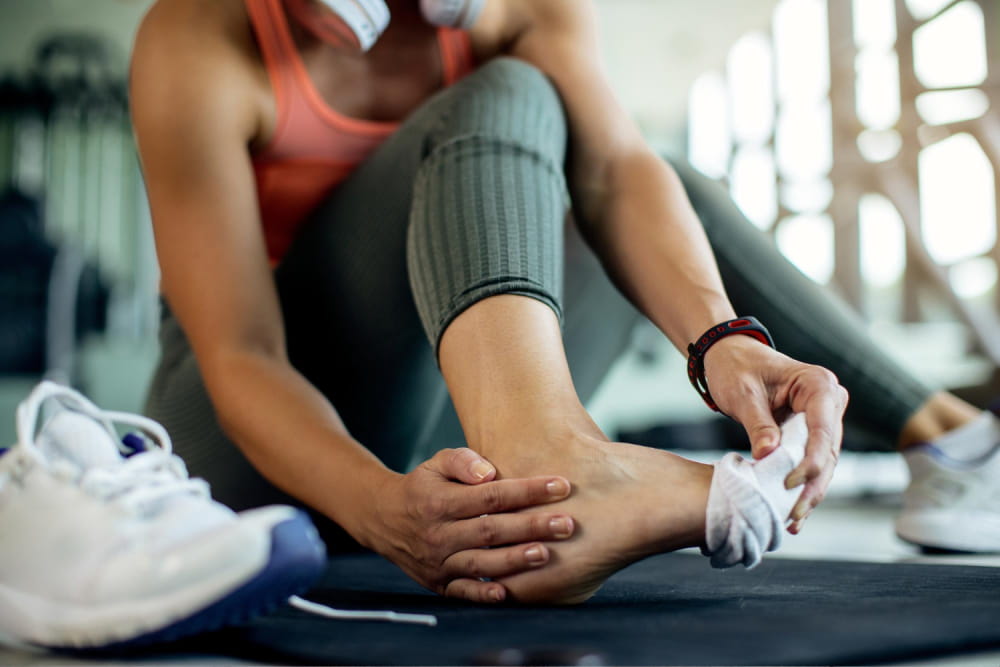
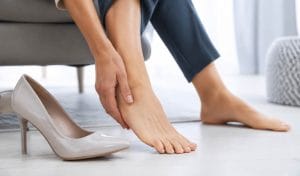
Metatarsalgia in women often starts as a mild pain in the ball of the foot, right behind the toes. Many women notice it after long hours of standing or wearing tight or high-heeled shoes. What feels like a small ache at first can grow into pain that affects walking and daily tasks.
Here, we explain this condition, its causes, and how proper care at Foot and Ankle Specialty Centers with Dr. Payam Sarraf can help reduce pain and improve comfort. Many five-star Google reviews from happy patients show the trust and results we provide. Keep reading to learn more.
Table of Contents
ToggleUnderstanding Metatarsalgia in Women
Metatarsalgia in women is a condition that causes pain in the front part of the foot, right under the toes. This area supports much of your body weight every time you stand or walk. When too much pressure builds in this part of the foot, the tissue becomes sore and painful.
This problem is common and can make daily activities harder, especially walking or standing for long periods. Without proper care, the discomfort may continue or get worse over time. Professional care at Foot and Ankle Specialty Centers can help reduce the pain and improve how your foot feels and functions.
Symptoms of Metatarsalgia in Women
Metatarsalgia in women can cause clear discomfort in the front of the foot. Many women notice these signs during daily activities like walking or standing:
- Pain in the ball of the foot, just behind the toes
- Burning or aching feeling in the front of the foot
- Sharp pain during walking or standing
- Pain that gets worse with activity and improves with rest
- Tingling or numbness in the toes
- Feeling like there is something inside the shoe
- Tenderness when pressing on the area
- Mild swelling after long periods of standing or walking
Causes of Women’s Metatarsalgia
Metatarsalgia in women happens when too much pressure builds in the front of the foot. This pressure leads to pain in the ball of the foot. Common causes include:
- Wearing high heels that push weight to the front of the foot
- Wearing tight shoes that squeeze the toes
- Having high arches that do not absorb shock well
- Having flat feet changes how the weight spreads
- Foot problems like bunions or hammertoes in Phoenix
- Too much walking, running, or standing for long hours
- Loss of natural padding in the foot over time
- Extra body weight that adds pressure to the foot
At Foot and Ankle Specialty Centers, we find the real cause of your foot pain and give you clear answers. Dr. Payam Sarraf, DPM, a podiatry specialist and surgeon, learns the root cause with a careful exam and a clear review of your condition. Over 1000 five-star Google reviews from happy patients show trust in our clinic. Call 480-812-3668 to get expert care.
Metatarsalgia Treatment for Women
Treatment for metatarsalgia in women focuses on lowering pressure on the front of the foot and improving support. When pressure reduces, the pain becomes easier to manage. Simple care and the right support can help the foot heal and improve daily comfort. The best podiatrist in Phoenix can guide you to the best treatment based on your condition. Below are the common treatment options used to relieve pain and restore function:
| Treatment Option | How It Helps |
| Rest | Reduces stress on the foot and allows healing |
| Ice | Lowers swelling and eases pain |
| Supportive Shoes | Improves comfort and spreads pressure evenly |
| Metatarsal Pads | Reduces pressure on the ball of the foot |
| Custom Orthotics | Corrects foot alignment and supports movement |
| Stretching Exercises | Includes calf stretches, toe stretches, and foot rolling with a ball to reduce tightness and lower pressure on the front of the foot |
| Physical Therapy | Helps improve movement and reduce pain |
| Medications | Reduces inflammation and discomfort |
| Steroid Injections | Provides relief in more severe cases |
| Advanced Treatments | Addresses long-term or complex conditions |
At Foot and Ankle Specialty Centers, Dr. Payam Sarraf, a podiatry specialist and surgeon, selects the best treatment based on your condition and level of pain. If you want to learn about your treatment options, call us at 480-812-3668 to schedule your visit.
How to Prevent Metatarsalgia in Women
Preventing metatarsalgia in women depends on simple daily habits and proper foot care. Helpful steps include:
- Wear comfortable shoes with good support
- Choose shoes with a wide front so your toes have space
- Avoid tight shoes that squeeze your feet
- Limit wearing high heels
- Use soft insoles or pads for extra comfort
- Stretch your feet and toes often
- Take breaks if you stand or walk for a long time
- Keep a healthy weight to reduce pressure on your feet
- Replace old shoes when they lose support
- Avoid walking barefoot on hard floors
Final Thoughts
Metatarsalgia in women is a common condition that affects comfort and mobility. The pain often begins with mild discomfort but can become more severe without proper care. Early attention and the right treatment approach can prevent long-term issues.
At Foot and Ankle Specialty Centers, we provide trusted care that helps you move without pain and get back to normal activity. We have different locations for easy access and serve patients in Phoenix, Gilbert, Scottsdale, Chandler, and Mesa. Our five-star Google reviews show the results we deliver, so call us at 480-812-3668 today to get started with trusted care.
FAQs
Does metatarsalgia go away on its own?
Mild cases can improve with rest and better shoes. If the cause is not treated, the pain can come back.
What gives immediate relief for metatarsalgia?
Rest, ice, and wearing supportive shoes can help reduce pain quickly.
What types of shoes are best for metatarsalgia?
Shoes with soft cushioning, good arch support, a wide front, and low heels work best.
How long does it take to recover from metatarsalgia?
Many people feel better in a few weeks with proper care, but recovery time can vary.
What is the root cause of metatarsalgia?
The main cause is too much pressure on the ball of the foot, often from shoes, foot shape, or repeated stress.
- 1

Payam Sarraf
Payam Sarraf, DPM, is a podiatry specialist and surgeon at Foot + Ankle Specialty Centers, with offices in Gilbert, Scottsdale, Chandler, and Phoenix, Arizona. Dr. Sarraf’s areas of expertise include ankle trauma, Achilles tendon ruptures, podopediatrics, ankle arthroscopy and reconstruction and biomechanics.
Related posts
- Payam Sarraf
- September 3, 2026
- No Comments
Toe curling happens when your toes bend downward and inward toward the bottom of your foot. Common causes include muscle spasms, nerve problems, dystonia, toe deformities, […]
- Payam Sarraf
- August 29, 2026
- No Comments
Cracked heels develop when dry, thick skin splits under pressure from standing or walking. To help them heal, soak your feet, exfoliate the dry skin, moisturize […]
- Payam Sarraf
- August 29, 2026
- No Comments
High heels can cause a forward weight shift, which puts extra pressure on your toes and the front of your feet. A narrow toe box may […]