

Why Your Achilles Tendon Hurts in the Morning
- Published by: Payam Sarraf
- on
- | Updated on April 21, 2026

Many people feel pain or stiffness at the back of the heel when they take their first steps in the morning. This Achilles tendon pain in the morning can affect daily movement more than expected. Knowing the causes helps you understand why the pain happens and what steps can ease it.
At Foot + Ankle Specialty Centers, Dr. Payam Sarraf, DPM, sees this problem often and helps patients understand why it happens and what improves it. Here we tell you all about causes of Achilles tendon pain in the morning so you understand the pain and the steps that help.
Table of Contents
Toggle5 Causes of Achilles Tendon Pain in the Morning
Achilles tendon hurt in the morning usually because the tendon is stressed or irritated from daily activities like walking, exercise, or standing for long periods. This strain can cause the tendon to tighten overnight and hurt when you first move.
Understanding what triggers this pain is key to finding relief. Below, Dr. Payam Sarraf, DPM, explains the most common causes of Achilles tendon pain in the morning.
Tendon Inflammation
Tendon inflammation can develop after heavy strain, sudden changes in activity, or long hours standing on hard surfaces. When the tendon is inflamed, it becomes tight and warm at the back of the heel, and the pain is often strongest during the first steps of the day.
Sudden Activity Changes
Sudden activity changes happen when your body does more than it is used to without enough time to adjust. This can happen when someone starts walking longer, moves faster than usual, or adds extra steps or effort in a short time.
The Achilles tendon feels this extra load and becomes irritated. The irritation becomes stronger in the morning because the tendon tightens overnight. Slow, steady changes help the tendon stay comfortable.
Overuse Injury
Overuse injury appears when the tendon receives more force than it can handle. Many activities place pressure on the tendon, including long walks, running, sports, and physical labor. The tendon becomes irritated and stiff after repeated strain, and the pain often shows up as Achilles tendon pain in the morning.
Overnight Stiffness
Overnight stiffness affects many people who suffer from Achilles tendon pain in the morning, and it forms when the tendon stays still for long hours. The tissue tightens and loses flexibility during sleep, and this stiffness becomes noticeable as soon as you stand up. The sensation may fade through the morning as the tendon warms, but the tightness returns daily without proper care.
Poor Footwear
Poor footwear creates continuous stress on the tendon and leads to repeated pain. Shoes with weak cushioning, low support, or worn-out soles force the tendon to absorb excessive force. This strain often becomes clear during early steps, and the discomfort may escalate when the shoes place the foot in an unstable position.
When to See a Doctor for Persistent Morning Achilles Pain
Persistent morning Achilles pain often shows that the tendon struggles to heal on its own, and this becomes more serious when the pain lasts for several weeks, limits walking, or feels sharp during your first steps of the day. You also need medical care if the tendon feels warm, swollen, or tight every morning, or if the pain returns after every activity.
Payam Sarraf, DPM at Foot + Ankle Specialty Centers provides advanced evaluation and personalized treatment so patients avoid worsening symptoms. Our clinic proudly holds over 1000 five-star Google reviews, showing strong trust from patients in Gilbert, Scottsdale, Chandler, and Phoenix, Arizona. Call us at 480‑812‑3668 to receive expert care and steady relief from your tendon pain.
Tips to Reduce Achilles Tendon Pain in the Morning
Achilles tendon pain in the morning often improves with small daily habits that reduce strain and support the ankle. The best foot and ankle specialists in Phoenix recommend these easy steps that help reduce morning discomfort:
- Warm the ankle with gentle movement before you get out of bed.
- Stretch the calf muscles slowly during the day.
- Avoid flat, worn‑out, or unsupportive footwear.
- Ice the tendon after activity to calm irritation.
- Reduce long or intense activity until the tendon feels better.
- Increase activity levels slowly over time.
- Give the tendon rest when it feels tight or sore.
- Support the foot with orthotics if needed.
Let’s Recap
Achilles tendon hurts in the morning because of stiffness, strain, weak footwear support, tight calves, or inflammation. These causes of Achilles tendon pain in the morning place stress on the tendon during sleep and during your first steps.
At Foot + Ankle Specialty Centers, Dr. Payam Sarraf, DPM, offers clear guidance and detailed treatment options to support your recovery. Early attention helps you avoid stronger pain and restores comfortable movement throughout your day. Call us at 480‑812‑3668 to schedule a visit in Phoenix.
FAQs
Can stretching help reduce morning Achilles pain?
Light calf stretching increases flexibility and reduces the stress on the tendon during early steps. A consistent routine protects the tendon and reduces stiffness.
Does rest make Achilles tendon pain worse or better?
Short periods of rest reduce inflammation, but long inactivity creates stiffness. Balanced activity supports tendon health and reduces discomfort.
How can I prevent Achilles tendon pain from recurring?
You can increase activity slowly, wear supportive shoes, maintain calf flexibility, and replace worn-out footwear. These steps protect the tendon from repeated strain.
How can tight calf muscles cause Achilles pain?
Tight calves pull forcefully on the tendon and increase tension at the heel. This pulling effect often leads to irritation and morning discomfort.
Is morning Achilles pain a sign of tendinitis?
Morning pain often appears when the tendon becomes inflamed. Proper evaluation in Phoenix determines if the tendon shows signs of tendinitis or structural stress.
Can poor footwear contribute to Achilles tendon pain?
Poor footwear places uneven force on the tendon and increases strain during walking. Supportive shoes reduce pressure and protect the tendon from irritation.
- 1

Payam Sarraf
Payam Sarraf, DPM, is a podiatry specialist and surgeon at Foot + Ankle Specialty Centers, with offices in Gilbert, Scottsdale, Chandler, and Phoenix, Arizona. Dr. Sarraf’s areas of expertise include ankle trauma, Achilles tendon ruptures, podopediatrics, ankle arthroscopy and reconstruction and biomechanics.
Related posts
- Payam Sarraf
- September 3, 2026
- No Comments
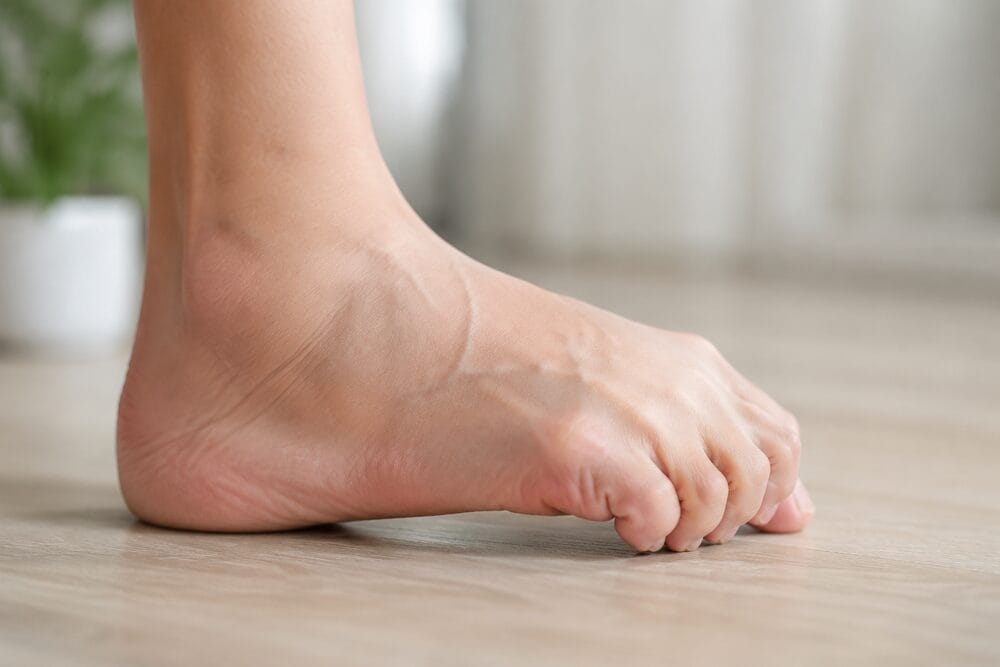
Toe curling happens when your toes bend downward and inward toward the bottom of your foot. Common causes include muscle spasms, nerve problems, dystonia, toe deformities, […]

- Payam Sarraf
- August 29, 2026
- No Comments
Cracked heels develop when dry, thick skin splits under pressure from standing or walking. To help them heal, soak your feet, exfoliate the dry skin, moisturize […]

- Payam Sarraf
- August 29, 2026
- No Comments
High heels can cause a forward weight shift, which puts extra pressure on your toes and the front of your feet. A narrow toe box may […]