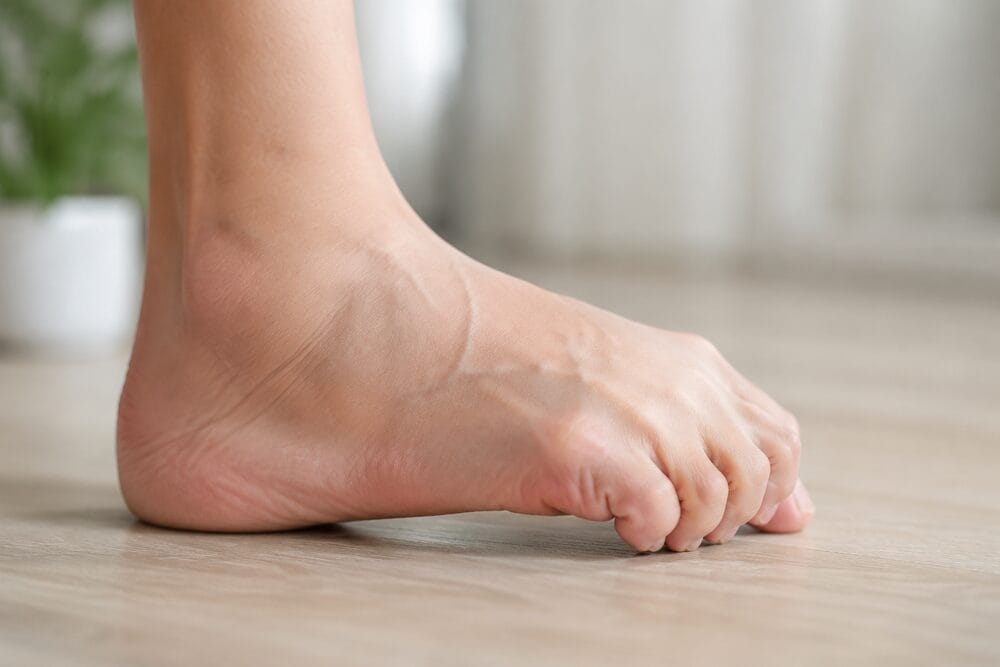

The answer to “Why are the bottom of my feet yellow?” often involves a simple cause, such as dry skin, calluses, or diet. However, yellow feet may also be linked to fungal infections, Raynaud’s phenomenon, anemia, jaundice, or diabetes-related foot changes. Treatment may include better foot care, diet changes, or medicine, depending on the cause.
Contact a doctor if you also notice yellow eyes, dark urine, numbness, or sores that heal slowly. In this guide, Foot + Ankle Specialty Centers covers the 8 most common causes of yellow feet, how to treat each one, and when it makes sense to see a healthcare provider.
Table of Contents
ToggleWhy Are the Bottom of My Feet Yellow?
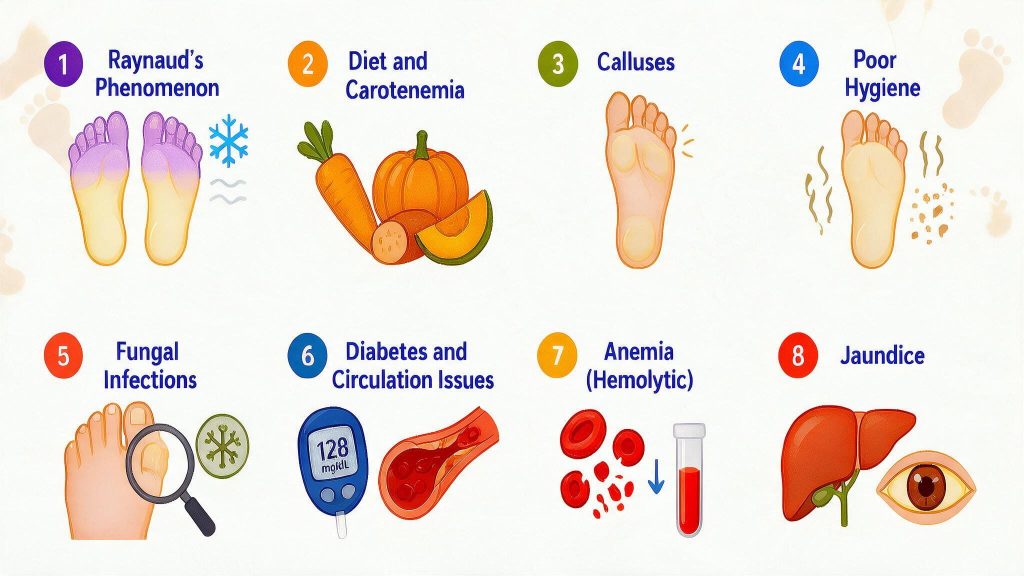
Yellow feet can come from something as simple as friction or diet, or from a condition that affects the whole body. Here are the 8 most common causes of yellow feet, starting with the most frequent and ending with the ones that need medical follow-up.
Raynaud’s Phenomenon
Raynaud’s phenomenon is a condition that temporarily reduces blood flow to the toes, often because of cold temperatures or stress. The toes may look pale, yellowish, blue, or red and feel cold or numb. Keep your feet warm, avoid sudden temperature changes, and stop smoking. See a doctor if symptoms happen often, cause pain, or lead to sores.
Diet and Carotenemia
If you wonder, “Why are the bottom of my feet yellow-orange?” your diet may explain the color. Eating large amounts of foods rich in beta-carotene, such as carrots, pumpkin, squash, and sweet potatoes, can cause carotenemia. This harmless condition can turn the palms and soles yellow or orange, but it does not turn the whites of the eyes yellow. The color usually fades after you reduce these foods.
Calluses
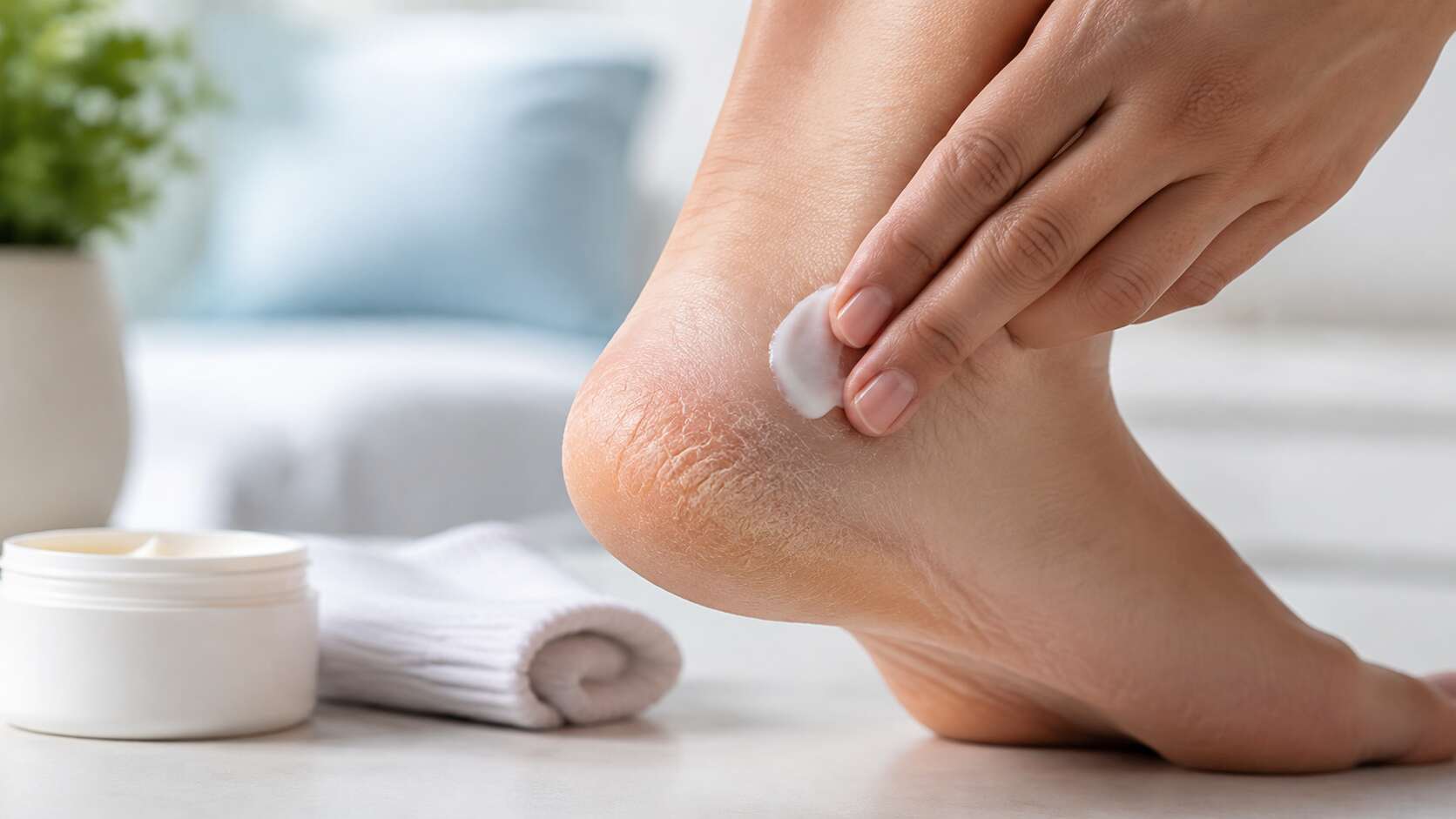
If the bottom of your feet looks yellow when pressed, thick callused skin may be the cause. Calluses develop from repeated pressure or rubbing, especially on the heels and balls of the feet. The built-up skin can have a yellow tone that becomes more visible when pressed. Supportive shoes, foot cream, and gentle filing can help reduce it.
Poor Hygiene
Feet can turn yellow if they are not cleaned enough. Sweat, dirt, and dead skin build up over time and change the color of your skin. Wash your feet every day, dry them well, and wear clean socks. This keeps your feet clean and healthy.
Fungal Infections
Fungal infections can affect both the skin and toenails. Athlete’s foot mainly affects the skin, causing itching, peeling, cracking, or discoloration. When fungus affects a toenail, the nail may become yellow, thick, brittle, or misshapen. Over-the-counter antifungal products may help athlete’s foot, but toenail fungus often needs treatment from a foot doctor.
Diabetes and Circulation Issues
Diabetes does not usually cause yellow skin directly, but it can affect blood flow and nerve function in the feet. This may lead to changes in skin color, temperature, texture, or healing. The toenails may also become thick or discolored.
If you have diabetes and notice new changes, numbness, or a sore that will not heal, see a doctor. Regular diabetic foot care can help monitor these changes and catch potential problems early.
Anemia (Hemolytic)
Certain types of anemia break down red blood cells faster than the body can replace them. That breakdown releases a substance called bilirubin, and too much of it turns skin yellow. Usually there is more to it than just yellow feet, like ongoing tiredness or a pale complexion. A blood test can confirm whether this is the cause.
Jaundice
Jaundice is the most serious cause on this list. It happens when the liver cannot clear bilirubin from the blood properly. Along with yellow feet, it often brings yellow eyes, dark urine, and pale stool. This one needs a doctor right away, not home treatment.
Yellowing is just one type of foot discoloration, and other changes in skin color may have different causes.
Treatment Options for Yellow Feet
How to get rid of yellow soles on feet depends on what is causing the color change. Some causes improve with simple foot care, while others need medical treatment. Here is how each problem may be treated:
Cause | Treatment |
Raynaud’s phenomenon | Keep your feet warm and avoid smoking. Medicine may help severe cases. |
Diet and carotenemia | Reduce foods and supplements high in beta-carotene. |
Calluses | Use foot cream, supportive shoes, and gentle filing. |
Poor hygiene | Wash and dry your feet daily and wear clean socks. |
Fungal infections | Use antifungal products. Toenail fungus may need prescription medicine. |
Diabetes and circulation problems | Control blood sugar and get sores or color changes checked promptly. |
Hemolytic anemia | Treatment may include medicine or a blood transfusion, depending on the cause. |
Jaundice | Seek medical care to find and treat the underlying condition. |
Home Remedies for Mild Cases
Home care may help when yellowing comes from mild skin buildup, dryness, staining, or calluses. Here are a few simple steps you can try:
- Soak your feet in warm water for 10 to 15 minutes to soften thick, dry skin.
- Gently rub thick spots with a pumice stone after soaking to wear down built-up callus.
- Apply a moisturizing cream daily, especially after a bath or shower, to fight dryness.
- Change into clean, dry socks every day to cut down on sweat and staining.
These steps will not treat fungal infections, diabetes, anemia, liver disease, or circulation problems. See a doctor if the discoloration persists or occurs with other symptoms.
When to See a Healthcare Provider
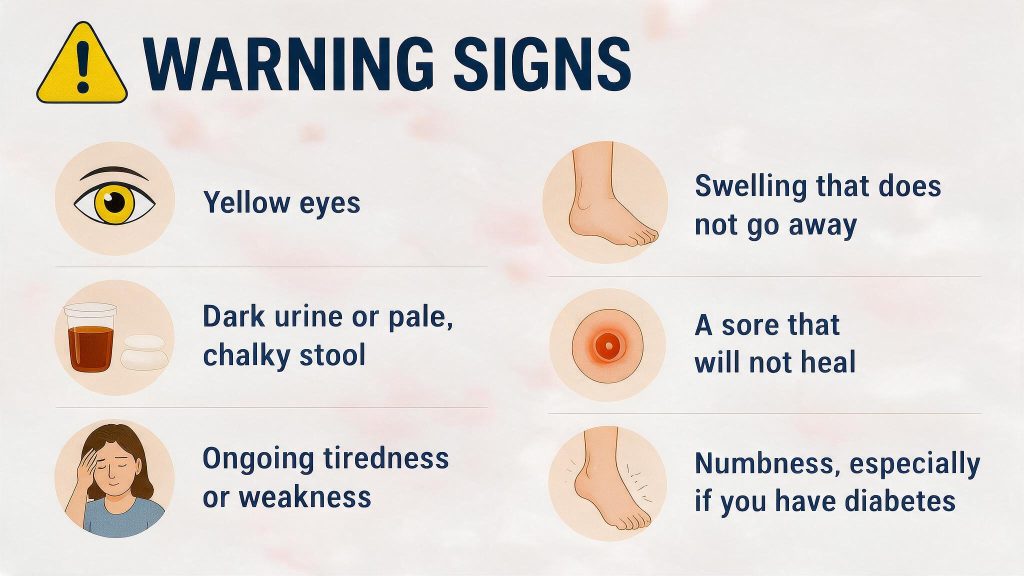
Yellow feet are often harmless, but sometimes they can point to a health problem. Watch for other symptoms, not just the color of your skin. See a healthcare provider if you notice any of these signs:
- Yellow eyes
- Dark urine or pale, chalky stool
- Ongoing tiredness or weakness
- Swelling that does not go away
- A sore that will not heal
- Numbness, especially if you have diabetes
These signs point to something more than skin deep, like the liver, the blood, or blood flow. If none of these signs show up but the yellow color sticks around, a foot and ankle exam is still a good place to start.
The Bottom Line
If you are wondering, “Why are the bottom of my feet yellow?” the cause may be harmless or linked to a medical problem. Understanding which cause fits your situation helps you know whether to reach for a home remedy or make an appointment.
If your yellow feet are persistent or unexplained, call Foot + Ankle Specialty Centers at 480-812-3668 to schedule an exam at one of our five Phoenix-area locations. If you notice yellowing in your eyes, dark urine, or ongoing fatigue, seek medical care promptly rather than waiting for a routine appointment.
FAQs
Thick skin, calluses, and diet cause most cases of yellow feet. These are harmless and usually clear up with basic foot care or a change in diet.
Not always. Diabetes can change blood flow and skin color in the feet, but a podiatrist should check any new discoloration to find the real cause.
Yes. Liver conditions that cause jaundice can turn skin yellow, including the soles. This usually comes with yellow eyes, dark urine, or pale stool.
Some kinds of anemia break down red blood cells too fast, which raises bilirubin and turns skin yellow. A blood test can confirm this.
Cold, yellow feet can point to poor blood flow or too much beta-carotene in your diet. See a doctor if it does not go away or comes with numbness.
See a doctor if the yellow color spreads, comes with yellow eyes, dark urine, tiredness, swelling, or a sore that will not heal, or if it just will not go away.