
What Causes Involuntary Toe Curling?
- Published by: Payam Sarraf
- on
- | Updated on September 3, 2026
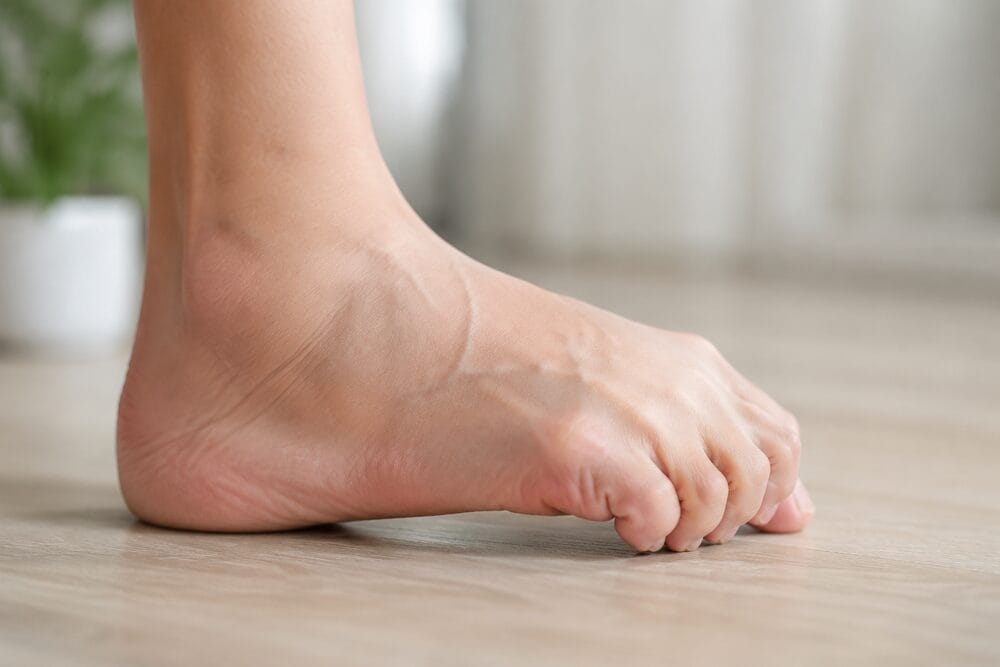
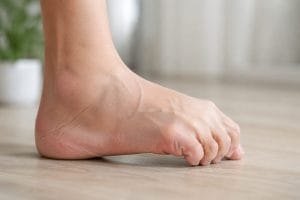
Toe curling happens when your toes bend downward and inward toward the bottom of your foot. Common causes include muscle spasms, nerve problems, dystonia, toe deformities, medication side effects, mineral deficiencies or electrolyte imbalances, and overuse of the feet. The right treatment depends on the underlying cause.
In this guide, Foot + Ankle Specialty Centers explains the possible causes of involuntary toe curling and how each one is treated.
Table of Contents
Toggle7 Common Causes of Involuntary Toe Curling
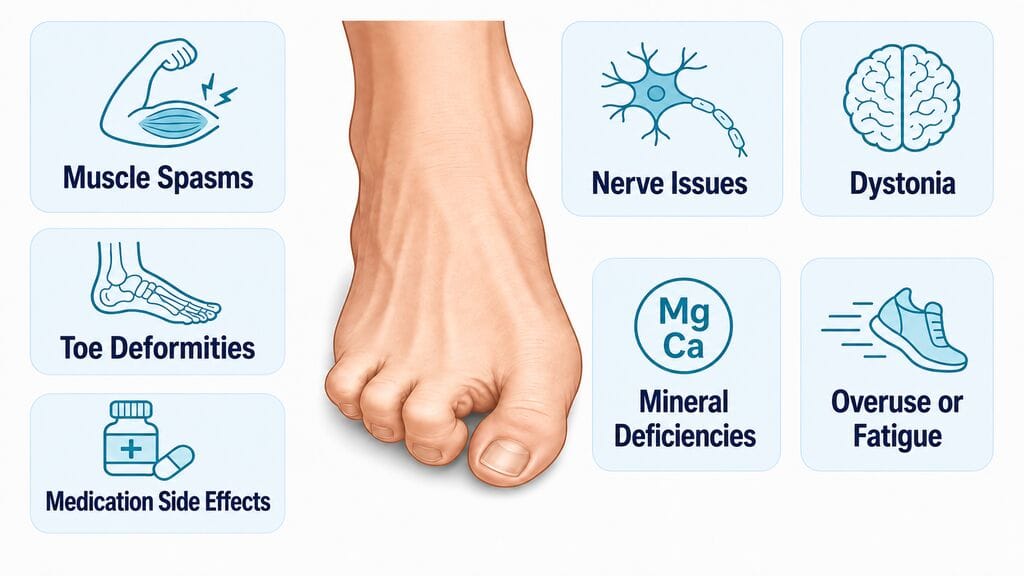
Toe curling, also called involuntary toe clenching, may be temporary or ongoing. A brief toe cramp after exercise may not be serious, but repeated curling can signal a problem with the muscles, nerves, joints, or tendons.
The way the toes move can also provide useful information. Some toes curl for only a few seconds. Others stay bent but can still be straightened by hand. In more serious cases, the toes become stiff and remain in a curled position.
Muscle Spasms
A muscle spasm is a sudden muscle contraction that you cannot control. When the small muscles in the foot tighten, they may pull the toes downward.
Possible triggers include:
- Dehydration
- Poor circulation
- Long periods of standing
- Holding the foot in one position
- Intense exercise
- Muscle strain
- Tight footwear
A muscle spasm often causes sudden tightness or pain. It may last for a few seconds or several minutes.
Nerve Issues
Nerves carry messages between the brain, spinal cord, and muscles. When a nerve becomes damaged or compressed, it may send the wrong signals to the foot. A stroke or another neurological injury may also cause spasticity, which is involuntary muscle tightening. This can make the toes curl, twitch, or feel weak.
Peripheral neuropathy is one possible cause of toe curling. It affects nerves outside the brain and spinal cord and may develop due to diabetes, injuries, infections, or other health problems. A stroke can also disrupt nerve signals and cause the toes to curl involuntarily.
A nerve problem can show up in different ways.
- Numbness
- Tingling
- Burning pain
- Weak muscles
- Trouble keeping your balance
- Less feeling in the feet
Dystonia
Dystonia is a movement disorder. It makes muscles tighten or move on their own, without you controlling them. Movements can be short and repeated, or last longer. The National Institute of Neurological Disorders and Stroke notes that dystonia can affect one muscle, several muscles, or many parts of the body.
Foot dystonia can pull the toes downward or lift the big toe upward while you walk, exercise, or rest. Involuntary toe curling at night or during sleep may result from muscle spasms, nerve problems, or dystonia. Some people also feel pain or notice that the foot rests in an unusual position.
Toe Deformities
A toe may look curled because of a structural problem rather than a sudden muscle movement. Common examples include hammertoe, claw toe, and mallet toe. A hammertoe bends downward at the middle joint. A claw toe bends upward near the ball of the foot and downward at the other joints. A mallet toe bends downward at the joint nearest the nail. Tight tendons and muscle imbalance can make these conditions worse over time.
Medication Side Effects
Some medicines, like water pills (diuretics) and certain antipsychotic drugs, can cause muscle cramps, twitching, or movements you cannot control. Other medicines, like statins or chemotherapy drugs, can change the fluid or mineral levels in your body, which can also lead to cramps.
Tell your doctor if toe curling started after you began a new medicine or changed your dose. Give them a full list of your prescription medicines, supplements, and over-the-counter products.
Do not stop taking a prescribed medicine on your own. Your doctor can check whether the medicine may be involved and decide if a safe change is needed.
Mineral Deficiencies
Muscles need the right balance of minerals to work normally. Low levels of magnesium, calcium, potassium, or sodium may contribute to cramps and spasms. Mineral levels can change because of poor nutrition, heavy sweating, vomiting, diarrhea, certain medicines, or some medical conditions. Dehydration may also affect this balance.
However, a toe cramp does not always mean that you have a mineral deficiency. A blood test may be needed to find the cause. Do not take large amounts of supplements without medical advice.
Overuse or Fatigue
Exercise, long walks, prolonged standing, or repeated movements can tire the small muscles in your feet. Stress and anxiety may also cause unconscious toe gripping or clenching. This may explain why some people experience curling toes with anxiety. Overworked or tense muscles can tighten and pull the toes downward.
Shoes may also play a role. Tight shoes or a narrow toe box can press the toes together. High heels push body weight toward the front of the foot and may place more pressure on the toes.
Rest and supportive shoes may help if overuse is the cause. However, frequent symptoms still need attention.
Treatment Options for Curling Toes
Treatment depends on what is causing the toe curling. A foot specialist may check your muscles, joints, nerves, the way you walk, and your shoes. If nerve damage, a mineral imbalance, or a nervous system condition is suspected, you may need more tests.
Treatment options may include:
- Resting the feet after demanding activity
- Drinking enough water
- Wearing shoes with a wide and deep toe box
- Gently stretching the toes, feet, and calves
- Performing exercises that strengthen the foot muscles
- Using custom orthotics to improve foot support
- Using pads, splints, or taping for flexible toe deformities
- Attending physical therapy to improve strength and movement
- Reviewing medications with a doctor
- Treating diabetes, nerve damage, or another underlying condition
- Correcting a confirmed mineral deficiency under medical guidance
Surgery may be an option when a toe becomes rigid, causes ongoing pain, or does not improve with other treatments like Botox injection and muscle relaxants. The procedure depends on the type and severity of the deformity.
When to See a Specialist
An occasional toe cramp may get better with rest and enough water. You should also seek care if you have:
- Ongoing or severe foot pain
- Numbness, tingling, or burning
- Weakness in the foot or leg
- Trouble walking or keeping your balance
- A toe that remains bent
- Corns, sores, redness, or skin damage
- Symptoms that began after starting a medication
- Diabetes with any new foot problem
Seek urgent medical care if toe curling starts suddenly with facial drooping, trouble speaking, severe weakness, confusion, or loss of balance. These symptoms may point to a serious neurological problem.
Final Thoughts
Involuntary toe curling can have many causes. A short muscle spasm may follow exercise or dehydration. Repeated curling may relate to nerve damage, dystonia, medication, mineral imbalance, or a toe deformity.
Pay attention to how often it happens and whether you have pain, numbness, weakness, or walking problems. A foot specialist can examine your feet, identify causes of involuntary toe curling, and create a treatment plan for your needs.
Here at Foot + Ankle Specialty Centers, our podiatrists take the time to find out exactly what is causing your toe to curl and build a plan around your foot, not a generic fix. Make an appointment or call us at 480-812-3668 to get answers and start feeling steady on your feet again.
FAQs
What neurological disorders cause toe curling?
Dystonia, Parkinson’s disease, peripheral neuropathy, stroke, and some brain or spinal cord conditions can cause toe curling. A neurological exam can help find the cause.
Why do I curl my toes without realizing it?
You might curl your toes from habit, stress, tight shoes, tense muscles, nerve irritation, or a movement disorder. If it happens often, get it checked.
Why do toes curl as you get older?
Weaker muscles, tighter tendons, arthritis, nerve changes, and years of wearing narrow shoes can make toes bend or stay curled.
How do I get my toes to stop curling?
Rest, enough water, roomy shoes, and gentle stretches may help. If the curling does not go away, you may need physical therapy, orthotics, a review of your medicines, or treatment for a nerve or structural problem.

Payam Sarraf
Payam Sarraf, DPM, is a podiatry specialist and surgeon at Foot + Ankle Specialty Centers, with offices in Gilbert, Scottsdale, Chandler, and Phoenix, Arizona. Dr. Sarraf’s areas of expertise include ankle trauma, Achilles tendon ruptures, podopediatrics, ankle arthroscopy and reconstruction and biomechanics.
Related posts
- Payam Sarraf
- August 29, 2026
- No Comments
Cracked heels develop when dry, thick skin splits under pressure from standing or walking. To help them heal, soak your feet, exfoliate the dry skin, moisturize […]
- Payam Sarraf
- August 29, 2026
- No Comments
High heels can cause a forward weight shift, which puts extra pressure on your toes and the front of your feet. A narrow toe box may […]
- Payam Sarraf
- August 21, 2026
- No Comments
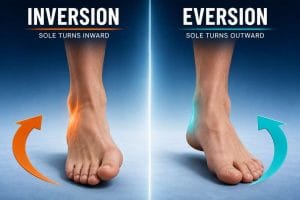
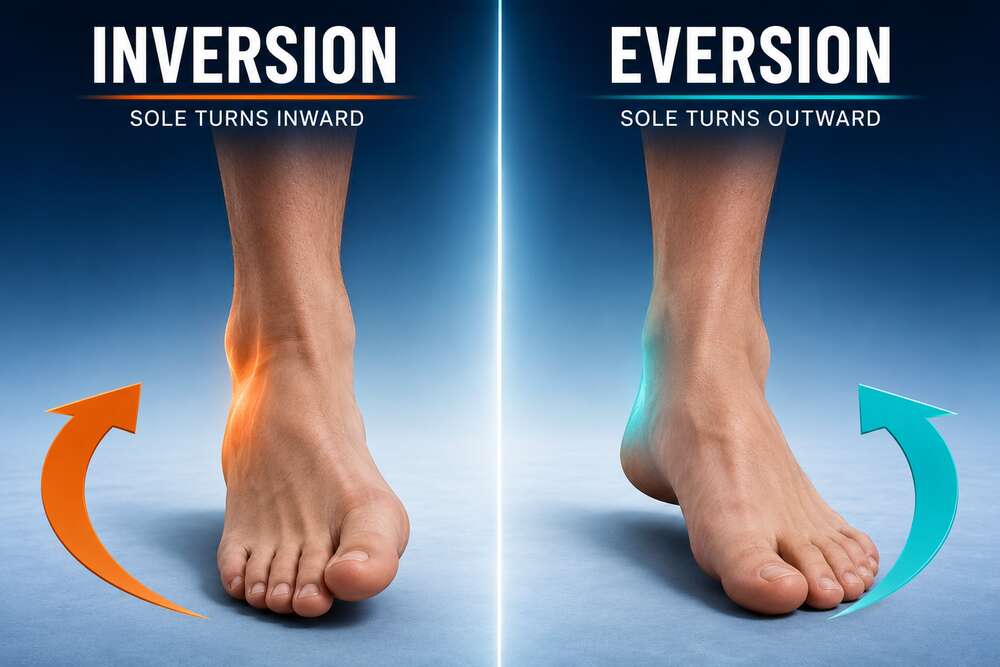
Inversion and eversion are two normal movements of the foot. Inversion turns the sole of the foot inward. Eversion turns the sole outward. Your feet use […]