
How to Heal a Cracked Heel
- Published by: Payam Sarraf
- on
- | Updated on August 29, 2026
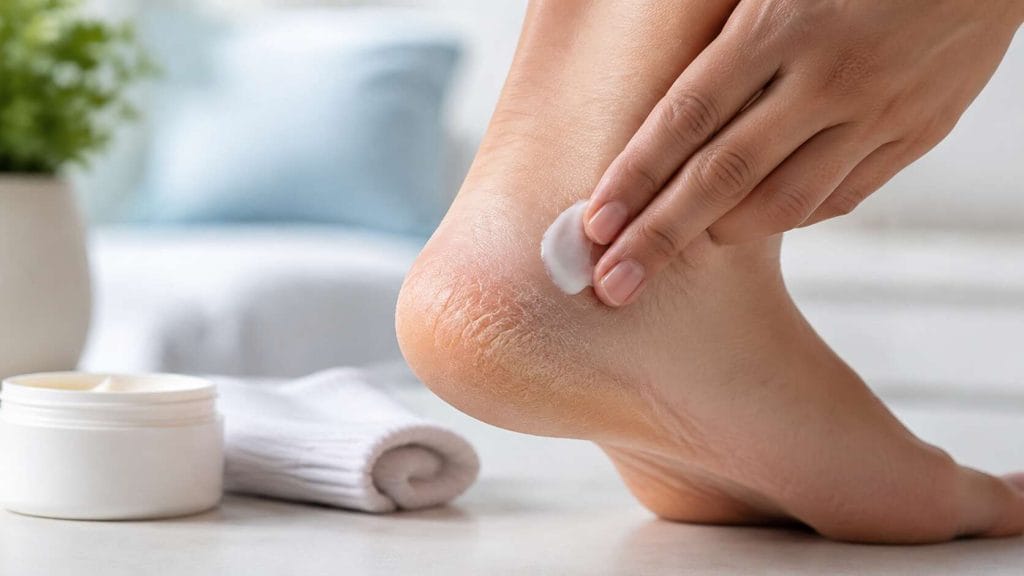
Cracked heels develop when dry, thick skin splits under pressure from standing or walking. To help them heal, soak your feet, exfoliate the dry skin, moisturize your heels, lock it in with cotton socks, and seal deep fissures with a liquid bandage. In this guide, Foot + Ankle Specialty Centers explains how to heal cracked heels and when to see a podiatrist.
Table of Contents
Toggle5 Ways to Effectively Heal Cracked Heels
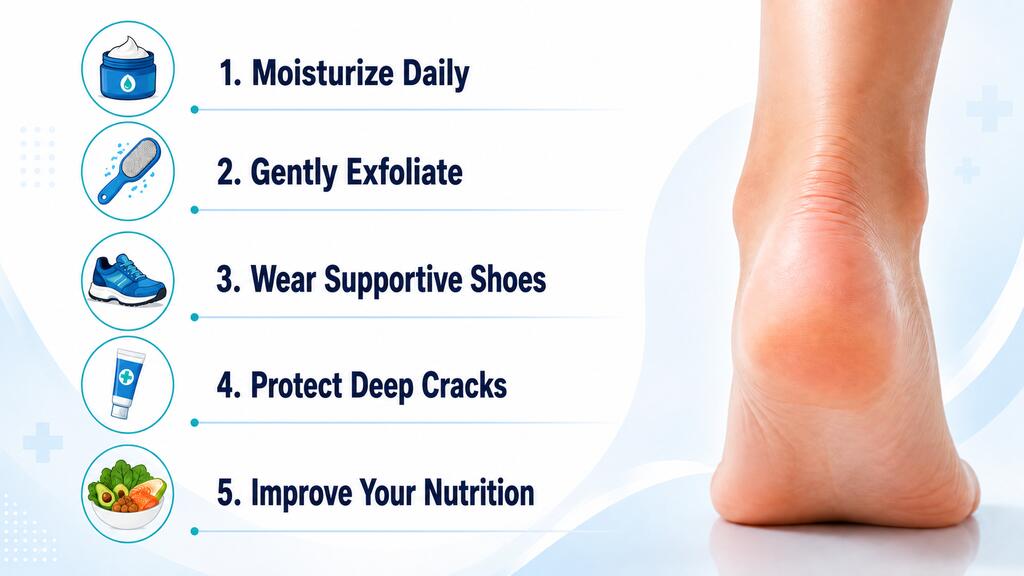
Cracked heels need daily care. You need to keep the skin soft and protect deep cracks. It also helps to reduce pressure on your heels. The following steps can help your heels heal.
1. Moisturize Daily
Apply a thick foot cream to your heels once or twice a day. The best time is after washing your feet and before bed. Look for a heel cream with ingredients such as:
- Urea
- Salicylic acid
- Lactic acid
- Glycerin
These ingredients soften dry and hard skin. At night, you can apply petroleum jelly over the cream. Then, wear clean cotton socks. The socks help keep the moisture on your heels.
Repeat this routine every day. Regular care is important because one use will not repair the skin. Do not put thick cream between your toes. Too much moisture in this area may increase the risk of a fungal infection.
2. Gently Exfoliate
Dead skin can build up around the heel. This thick skin is less flexible, so it can crack when you stand or walk. Use a pumice stone or foot file to remove some of the dead skin. Apply light pressure and stop if the area starts to hurt.
Do not try to remove all the hard skin at once. This can damage healthy skin. Never use scissors, razors, or sharp tools to cut a callus. These tools can cause bleeding and infection.
Ask a good podiatrist before using a foot file if you have diabetes, poor blood flow, or numbness in your feet.
3. Wear Supportive Shoes
Cracked heels get worse in open-back shoes, like sandals or flip-flops. With nothing to hold the heel in place, the skin can spread out, and that pulls the cracks open wider. Look for shoes that give you:
- A closed back
- Soft cushioning
- Good heel support
- A comfortable fit
Soft insoles or heel cups may also reduce pressure on your heels. Avoid walking barefoot, especially on hard floors. Try not to wear flip-flops or worn-out shoes for long periods. Supportive shoes protect your skin and may help prevent new cracks.
4. Protect Deep Cracks
Deep cracks may open again each time you stand or walk. Covering them can protect the skin from dirt and reduce movement around the crack. A liquid bandage may help with a small, clean crack. A heel dressing may also hold the skin together.
Follow the product instructions carefully. Wash and dry the area before covering it. Check the crack every day and replace the dressing as directed. Do not use a liquid bandage on a deep, bleeding, or infected wound without medical advice.
5. Improve Your Nutrition
No food will fix cracked heels right away. But eating well can help your skin stay healthy and heal the way it should. Try to eat foods with protein, good fats, vitamins, and minerals. Some good choices are:
- Fish and eggs
- Beans and lentils
- Nuts and seeds
- Fruits and vegetables
- Whole grains
Protein helps your body fix damaged skin. Vitamins A, C, and E help keep skin healthy. Zinc helps wounds heal too. Drink enough water each day. It is good for your whole body, but it will not replace a foot cream.
What If I Ignore Cracked Heels?
A small crack may become deeper if the skin stays dry. It may begin to hurt or bleed. This can make standing and walking uncomfortable. Deep cracks can also allow bacteria to enter your skin. This may cause an infection. Signs of infection include:
- Redness
- Warm skin
- Swelling
- Increased pain
- Pus or fluid
- A bad smell
People with diabetes, poor blood flow, or nerve damage have a higher risk of foot problems. They may not feel a wound, and the skin may heal slowly. In some cases, an untreated crack can turn into a foot ulcer.
When Should You Seek Medical Help for Cracked Heels?
See a podiatrist if your heel cracks are deep, painful, or bleeding. You should also seek help if home care does not improve your heels or the cracks keep returning. Contact a medical professional if you have:
- Redness, warmth, or swelling
- Pus or a bad smell
- Severe pain
- Numbness
- Skin color changes
- Trouble walking
- An open wound
People with diabetes, poor blood flow, nerve problems, or a weak immune system should seek help early. Prompt care can reduce the risk of infection.
Final Thoughts
Daily care is an important part of how to heal a cracked heel. Use a thick moisturizer, gently remove dead skin, wear supportive shoes, and cover open cracks. Healthy foods can also support your skin.
If your heels do not improve, contact Foot + Ankle Specialty Centers. Our experienced podiatrists can find the cause and provide the right treatment. Patients across Arizona trust our team, with over 1,000 five-star reviews.
FAQs
What’s the Best Way to Treat Cracked Heels at Home?
Apply a thick heel cream every day. Use petroleum jelly and cotton socks at night. Gently file thick skin and wear closed-back shoes. Do not cut the skin with sharp tools.
What Heals Cracked Heels Fast?
A urea-based heel cream may soften hard skin. Apply petroleum jelly over it at night and wear cotton socks. Supportive shoes can also reduce pressure while the skin heals.
How Long Do Cracked Heels Take to Heal?
Mild cracks may improve within several days. Deep cracks may take a few weeks. Healing time depends on the depth of the cracks, daily care, and your overall health.
Does Vaseline Heal Cracked Heels?
Vaseline helps hold moisture in the skin. Apply it over a heel cream before bed. It may not be enough for deep, bleeding, or infected cracks.

Payam Sarraf
Payam Sarraf, DPM, is a podiatry specialist and surgeon at Foot + Ankle Specialty Centers, with offices in Gilbert, Scottsdale, Chandler, and Phoenix, Arizona. Dr. Sarraf’s areas of expertise include ankle trauma, Achilles tendon ruptures, podopediatrics, ankle arthroscopy and reconstruction and biomechanics.
Related posts
- Payam Sarraf
- September 3, 2026
- No Comments
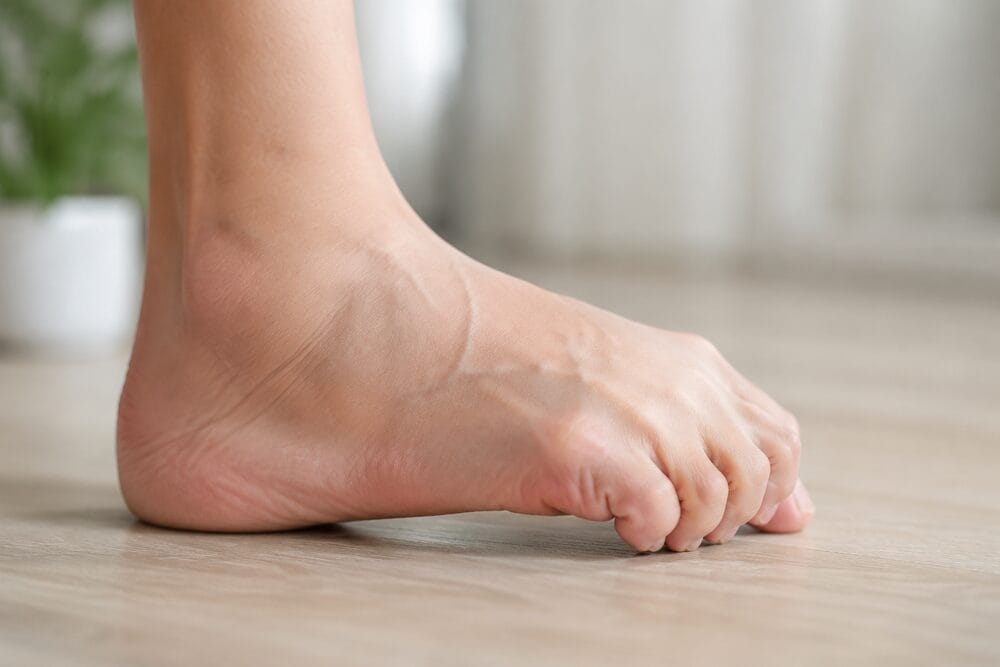
Toe curling happens when your toes bend downward and inward toward the bottom of your foot. Common causes include muscle spasms, nerve problems, dystonia, toe deformities, […]
- Payam Sarraf
- August 29, 2026
- No Comments
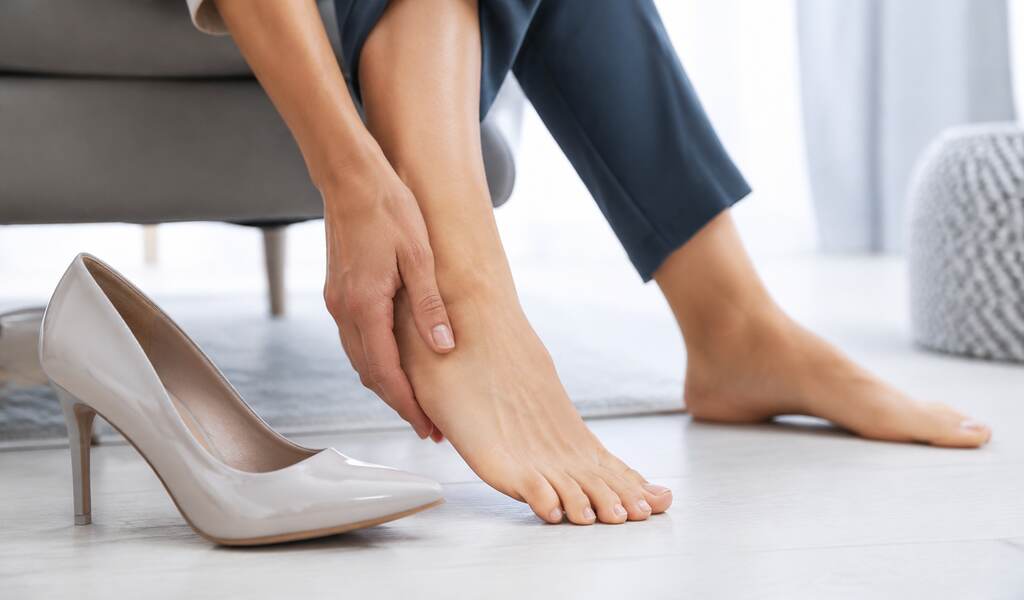
High heels can cause a forward weight shift, which puts extra pressure on your toes and the front of your feet. A narrow toe box may […]
- Payam Sarraf
- August 21, 2026
- No Comments
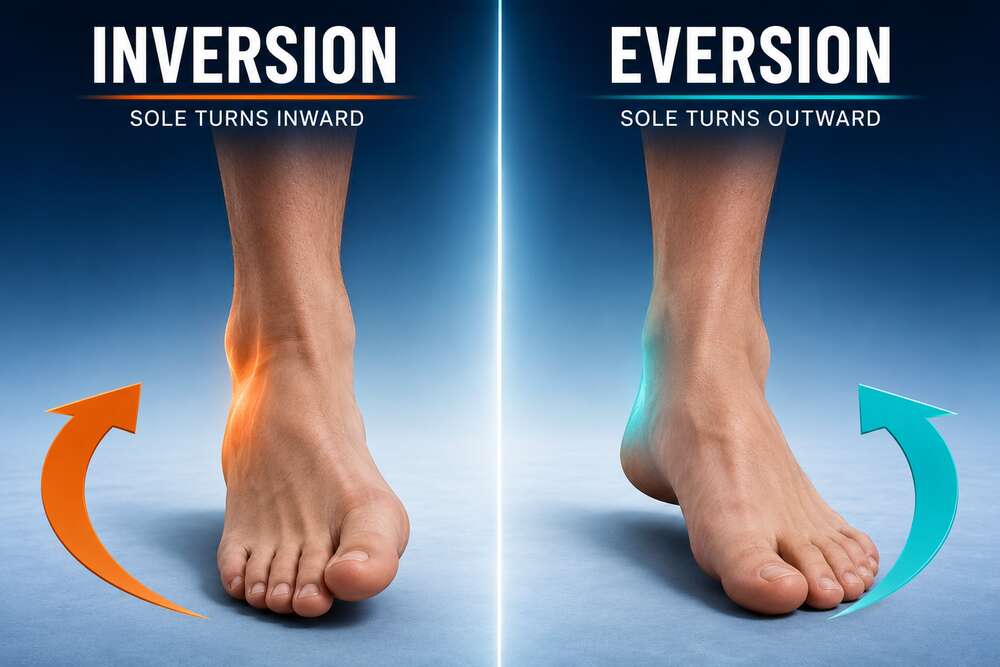
Inversion and eversion are two normal movements of the foot. Inversion turns the sole of the foot inward. Eversion turns the sole outward. Your feet use […]