Corn vs Callus vs Bunion: What Is the Difference?
- Published by: Payam Sarraf
- on
- | Updated on September 27, 2026
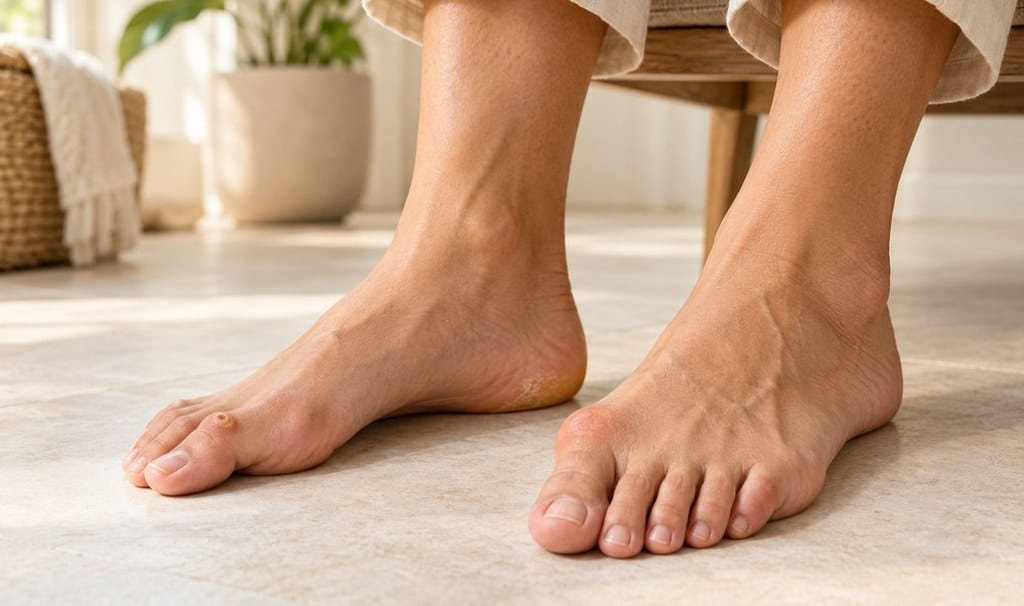
Corns, calluses, and bunions can all cause foot discomfort, but each condition is different. Corns are small, thick spots of skin that often form on the toes. Calluses are broader patches of thick skin that often develop on areas exposed to repeated pressure or rubbing. A bunion is a structural change in the joint at the base of the big toe, where the big toe gradually angles toward the second toe and the joint becomes more prominent.
Knowing the difference between corn vs callus vs bunion can help you find the right care. In this guide, Foot + Ankle Specialty Centers will explain how to tell them apart and what you can do about each one.
Table of Contents
ToggleWhat Are Corns, Calluses, and Bunions?
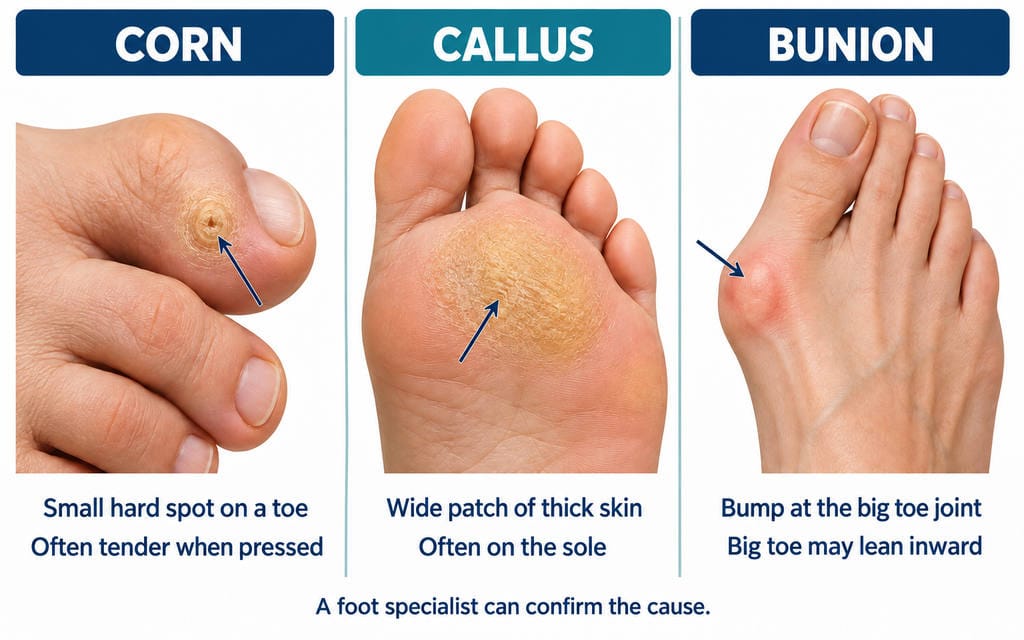
Corns and calluses are areas of thickened skin. They form when the skin faces repeated pressure or rubbing. A bunion is different: it involves the joint at the base of the big toe. Below, we explain corns, calluses, and bunions in more detail so you can better understand the differences.
Corns
Corns are small, thick spots of skin with a firm center. They often form on the tops or sides of toes where shoes rub, but they can also appear between the toes. A corn may hurt when you press on it or wear shoes that put pressure on the area.
Calluses
Calluses are broader, flatter patches of thick skin. They often form on the heels or balls of the feet, where the skin faces repeated pressure. Calluses usually do not hurt, but a thick callus may feel uncomfortable or crack.
The skin may also look yellow. If the color change covers more than a small patch of thick skin, read our guide to yellow feet causes to learn what else may cause it.
Bunions
A bunion forms when the joint at the base of the big toe shifts out of place. The big toe may lean toward the second toe, while the joint sticks out along the side of the foot. The area can become sore, red, or swollen, especially when shoes press against it.
Corn vs Callus vs Bunion: Key Differences
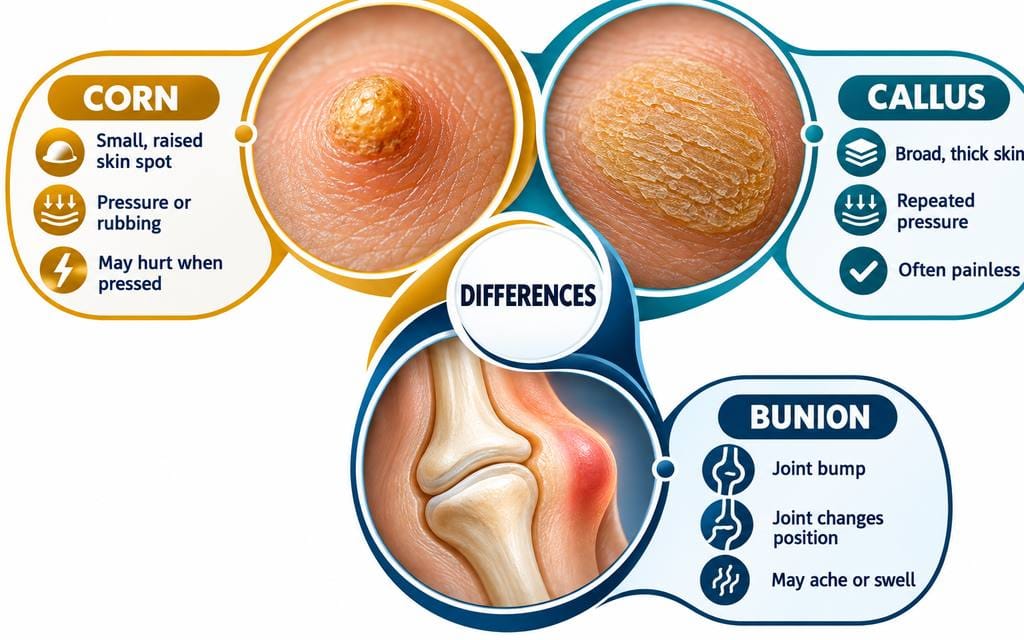
Corn, callus, and bunion can all cause foot discomfort, but they affect the foot in different ways. Corns and calluses are areas of thick skin caused by repeated pressure or rubbing. A bunion is a change in the joint at the base of the big toe. The table below shows the differences between corn vs bunion vs callus.
Feature | Corn | Callus | Bunion |
Appearance | A small, thick spot of skin | A broader patch of thick skin | A bump at the base of the big toe |
Location | Often on or between the toes | Often on the ball or heel of the foot | At the big toe joint |
Cause | Repeated pressure or rubbing in a small area | Repeated pressure or rubbing over a larger area | A change in the position of the big toe joint |
Symptoms | May hurt when pressed | May cause no pain, but can become uncomfortable | May cause pain, redness, or swelling |
Treatment | Reduce pressure and protect the skin | Reduce pressure and care for the thick skin | Ease pressure on the joint; surgery may be an option if pain persists |
These differences between bunion vs corn vs callus are described in the County Durham and Darlington NHS Foundation Trust’s foot health guide. Below, we explain the differences in their appearance, causes, symptoms, and treatment so you can better understand each condition and find the right care.
Appearance and Location
Corns, calluses, and bunions have different appearances and usually affect different areas of the foot. Corns are usually small, round, and firm, with a more concentrated thickened center. Calluses are larger, flatter, and have a rougher texture because they cover a wider area of skin. Bunions look different because they appear as a visible bump at the base of the big toe, and the big toe may angle toward the other toes.
Causes and Risk Factors
Corns and calluses develop when skin faces repeated pressure or rubbing. A bunion involves a change in foot structure. Each condition has its own risk factors.
Corns
Corns form where pressure is focused on a small spot. This may happen when shoes rub against a toe or when two toes press together. Bent toes can also create spots where the skin rubs against a shoe.
Calluses
Calluses form where pressure affects a wider area of skin. They often develop on parts of the foot that bear weight. Shoes that do not fit well, limited cushioning, or the way a person walks can put extra pressure on these areas.
Bunions
Foot shape and inherited foot structure can raise the risk of bunions, so they may run in families. Over time, the big toe may angle toward the second toe, and the joint at its base may become more prominent. Narrow shoes can press against the bump and make it more painful.
Pain and Other Symptoms
The symptoms of corns, calluses, and bunions can feel different depending on what part of the foot is affected.
- Corns may feel tender when you press on them or when shoes rub against the area.
- Calluses are often not painful, but thick skin may feel rough, dry, uncomfortable, or may crack.
- Bunions may cause joint pain, swelling, redness, and pressure from shoes. The big toe may also move toward the second toe, making some shoes harder to wear.
Symptoms can be different from person to person, so they alone cannot confirm whether you have a corn, callus, or bunion. A foot specialist can examine the area and provide the right diagnosis.
Treatment and Recovery
Treatment depends on the condition, the cause, and how much it affects your daily life. The first step is usually to reduce pressure on the area and manage symptoms. According to the Mayo Clinic’s guide to corns and calluses, reducing friction and pressure can help improve corns and calluses, while professional care may be needed for ongoing problems.
Treatment for Corns
Corns often improve when you remove the pressure that causes them. Treatment for corns may include:
- Wearing comfortable shoes that do not rub the area
- Using padding to protect the corn from pressure
- Having a foot specialist safely remove thickened skin if needed
Treatment for Calluses
Calluses can often improve by reducing repeated pressure on the skin. Calluses treatment may include:
- Wearing supportive shoes with enough cushioning
- Using moisturizer to keep thick skin from becoming dry or cracked
- Gently reducing thick skin with professional guidance if needed
Treatment for Bunions
Bunion treatment focuses on reducing pain and pressure on the joint. Non-surgical options may include:
- Wearing shoes with more room for the toes
- Using padding or orthotics to reduce pressure
- Applying ice or using pain relief options when recommended
If a bunion causes ongoing pain or affects your daily activities, a foot specialist may discuss surgery. Surgery can help correct the joint problem, but doctors usually consider it after other treatments do not provide enough relief.
According to the American Academy of Orthopaedic Surgeons (AAOS) guide to bunions, bunion treatment depends on the severity of symptoms and how the bunion affects your life.
Corns and calluses can come back if the same pressure continues. Bunions may also continue to cause problems over time, so early evaluation can help you choose the right care. Recovery time depends on the condition and the treatment you receive.
What Else Can Look Like a Corn or Callus?
According to Mayo Clinic’s guide to diagnosing corns and calluses, warts and cysts can cause similar-looking spots. Appearance alone may not be enough to identify one. See a podiatrist if a spot is unusually painful, changes, or is hard to identify.
If you have diabetes or poor circulation, ask a healthcare professional before you treat it at home.
Can You Have a Corn or Bunion on Pinky Toe?
Yes. A corn can form on the top or side of your pinky toe. It is a small, hard spot of skin that may hurt when your shoe rubs against it. A bump at the base of the pinky toe, on the outer edge of your foot, may be a bunionette, also called a tailor’s bunion.
It involves the toe joint. You can also have a corn or callus over a bunionette, so the two may appear together. If the spot hurts or you cannot tell what it is, a podiatrist can examine it. According to Cleveland Clinic’s guide to tailor’s bunions, bunionettes form at the pinky toe joint and may cause corns or calluses nearby.
Can a Corn Develop on a Bunion?
Yes, it can. They create bony protrusions that rub against shoes, causing friction. Over time, this friction can lead to the formation of a corn on top. If you notice any, it’s essential to treat both to avoid further pain and complications.
When Should You See a Podiatrist?
Many corns, calluses, and bunions improve when you reduce pressure and wear comfortable shoes. However, you should see a podiatrist if your symptoms continue, get worse, or affect your daily activities.
Consider professional care if you have:
- Persistent or severe pain that does not improve with simple changes, such as wearing better-fitting shoes
- Corns or calluses that keep coming back after treatment or pressure reduction
- Redness, swelling, warmth, or drainage, which may be signs of infection
- A spot that changes in size, color, or appearance or you are unsure whether it is a corn or callus
- Difficulty walking or wearing shoes because of pain or discomfort
- Symptoms that do not improve after reducing pressure on the affected area
If you have diabetes, poor circulation, or reduced feeling in your feet, talk with a healthcare professional before treating corns or calluses yourself. Foot problems can become more serious in these situations, and a podiatrist can recommend safe treatment options
Conclusion
Corns are small spots of thick skin, while calluses cover a wider area. A bunion is a change in the joint at the base of the big toe. The right treatment starts with knowing the difference between corn vs callus vs bunion.
At Foot + Ankle Specialty Centers, our foot doctors take the time to find the cause of your discomfort and recommend care that fits your needs. With more than 1,000 five-star reviews, our team is ready to help you feel more comfortable on your feet. Call 480-812-3668 to schedule your visit.
FAQs
How Can You Tell If You Have a Corn, Callus, or Bunion?
A corn is a small painful hard spot, a callus is a wider thick skin patch, and a bunion is a painful big toe joint bump.
Do Bunions Cause Calluses?
Yes, bunions can cause calluses by changing foot pressure and creating friction. Reducing pressure may help manage discomfort and skin thickening.
Are bunions and corns the same thing?
No, bunions are bony deformities, while corns are hardened skin caused by friction.
Are corns and bunions the same?
No, corns are hardened skin, while bunions are bone misalignments at the base of the big toe.
Are bunions and calluses the same thing?
No, there is difference between bunion and callus. Bunions are bone issues, while calluses are thickened skin caused by pressure or friction.
- 2

Payam Sarraf
Payam Sarraf, DPM, is a podiatry specialist and surgeon at Foot + Ankle Specialty Centers, with offices in Gilbert, Scottsdale, Chandler, and Phoenix, Arizona. Dr. Sarraf’s areas of expertise include ankle trauma, Achilles tendon ruptures, podopediatrics, ankle arthroscopy and reconstruction and biomechanics.
Related posts
- Payam Sarraf
- September 3, 2026
- No Comments
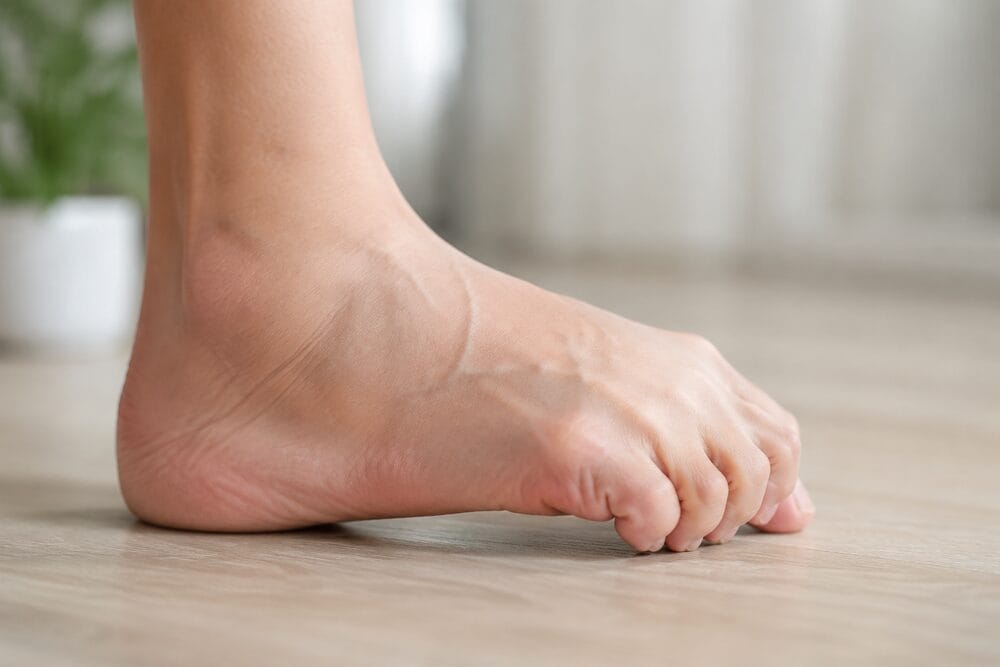
Toe curling happens when your toes bend downward and inward toward the bottom of your foot. Common causes include muscle spasms, nerve problems, dystonia, toe deformities, […]
- Payam Sarraf
- August 29, 2026
- No Comments
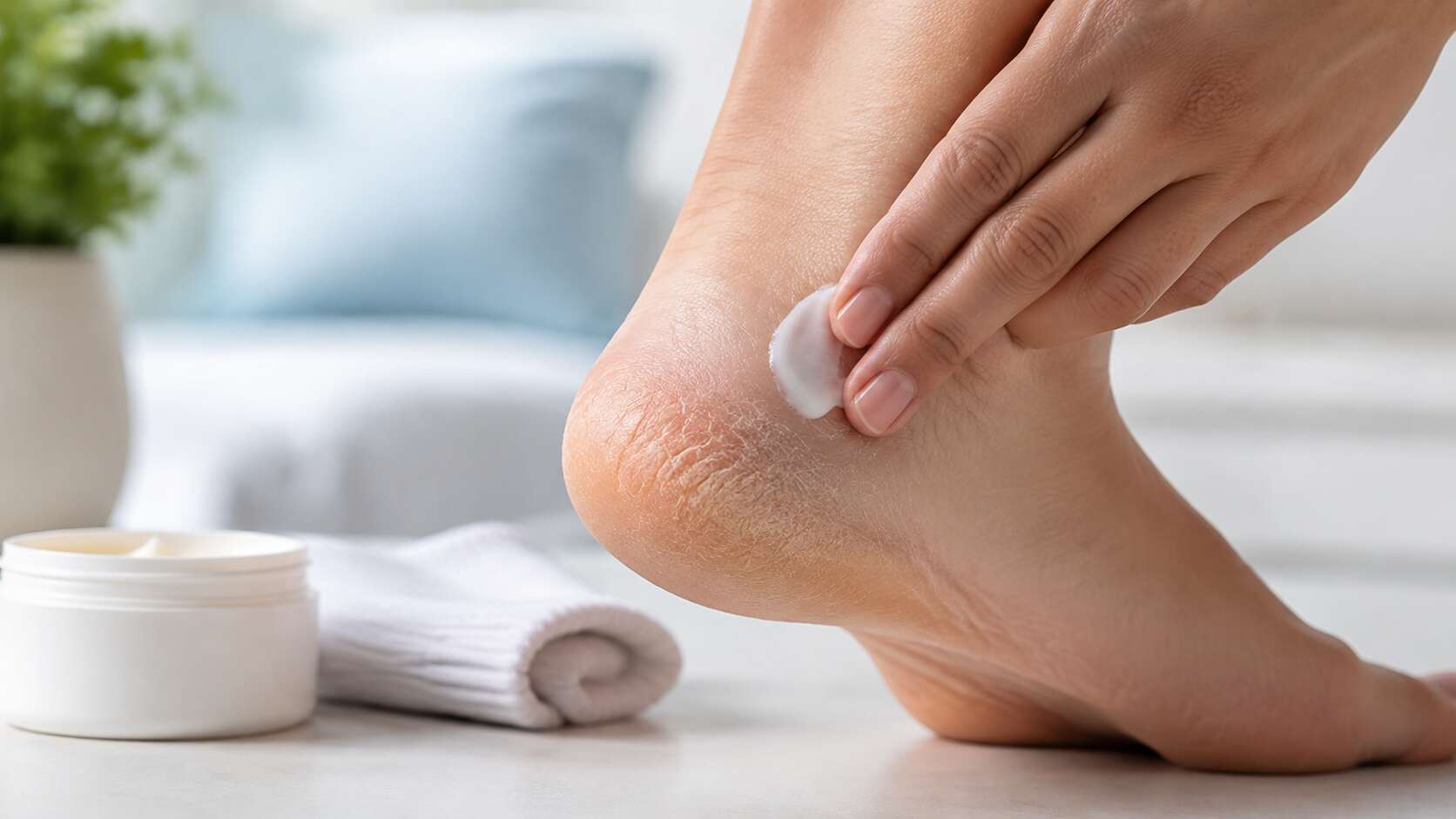
Cracked heels develop when dry, thick skin splits under pressure from standing or walking. To help them heal, soak your feet, exfoliate the dry skin, moisturize […]
- Payam Sarraf
- August 29, 2026
- No Comments
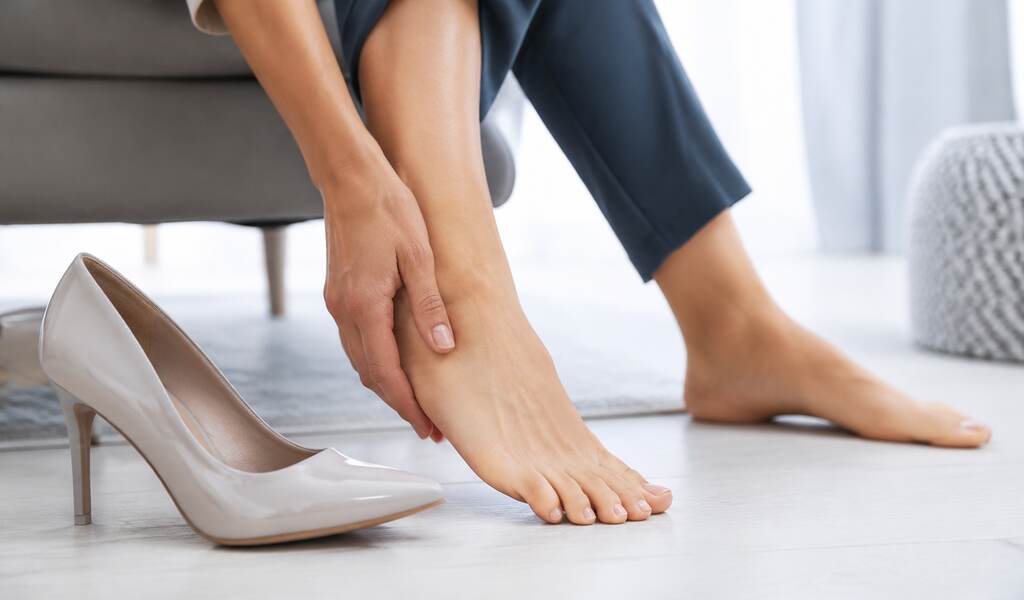
High heels can cause a forward weight shift, which puts extra pressure on your toes and the front of your feet. A narrow toe box may […]