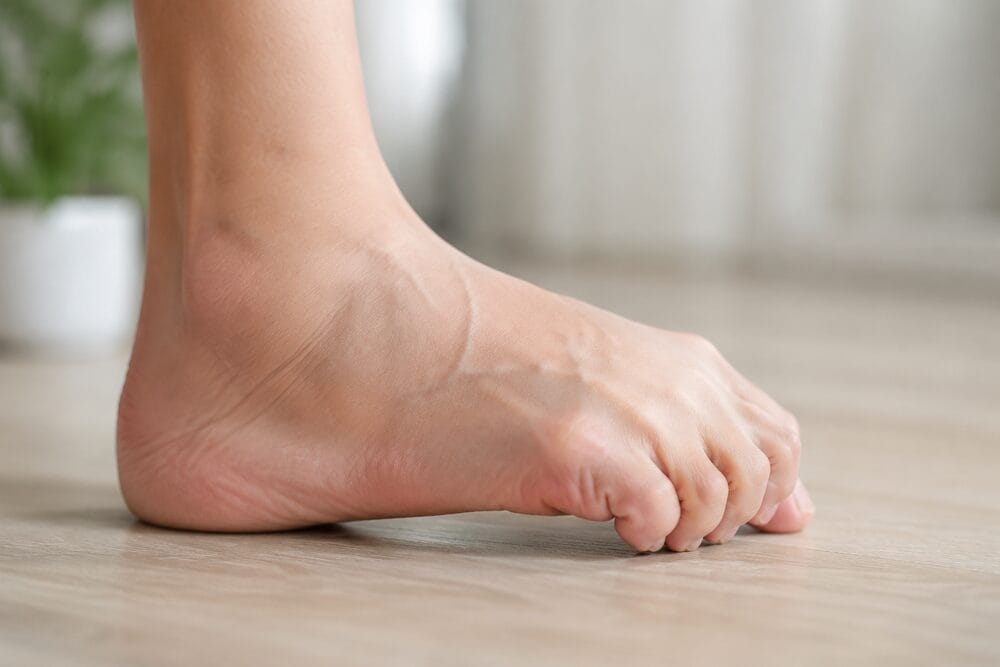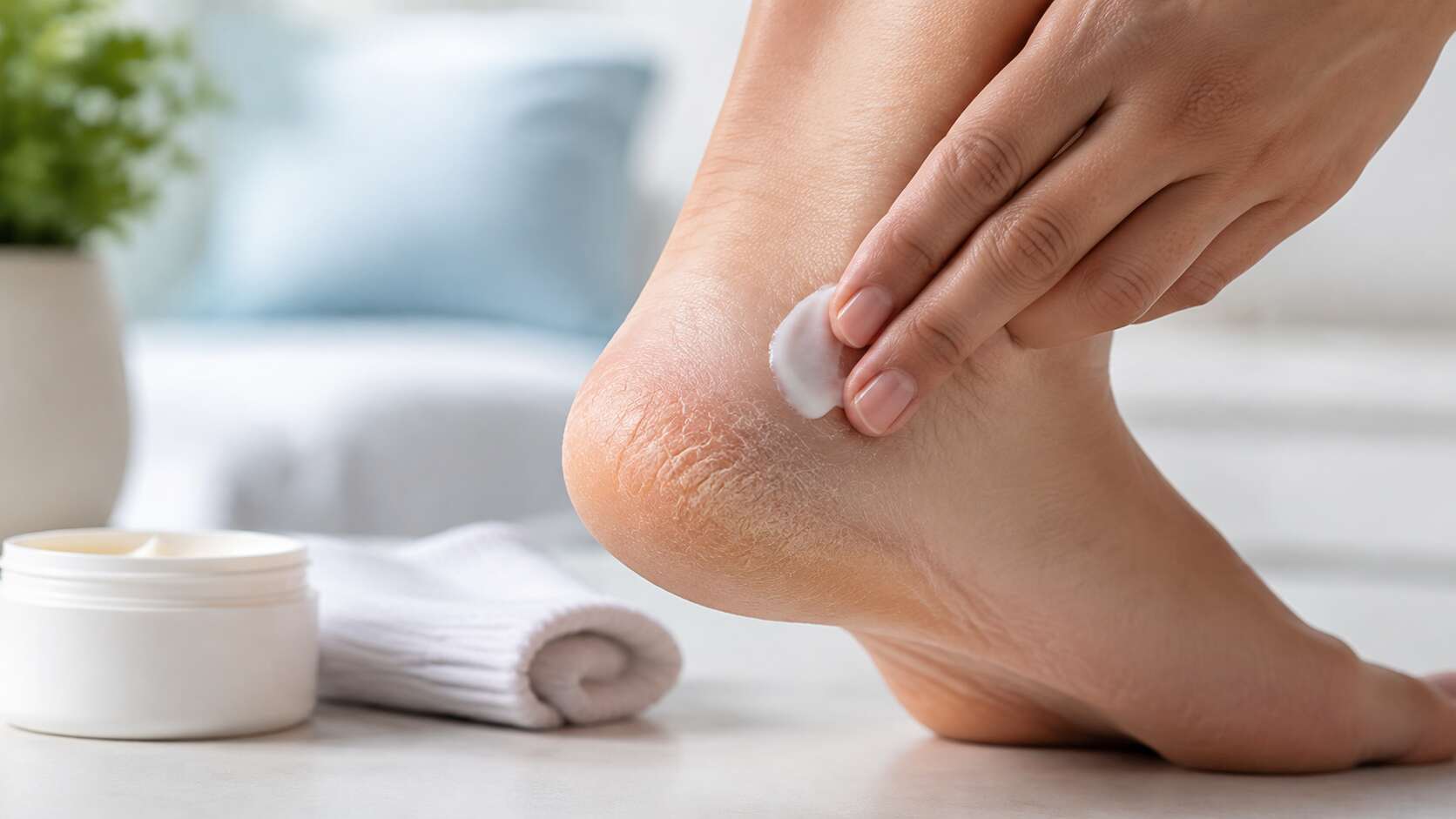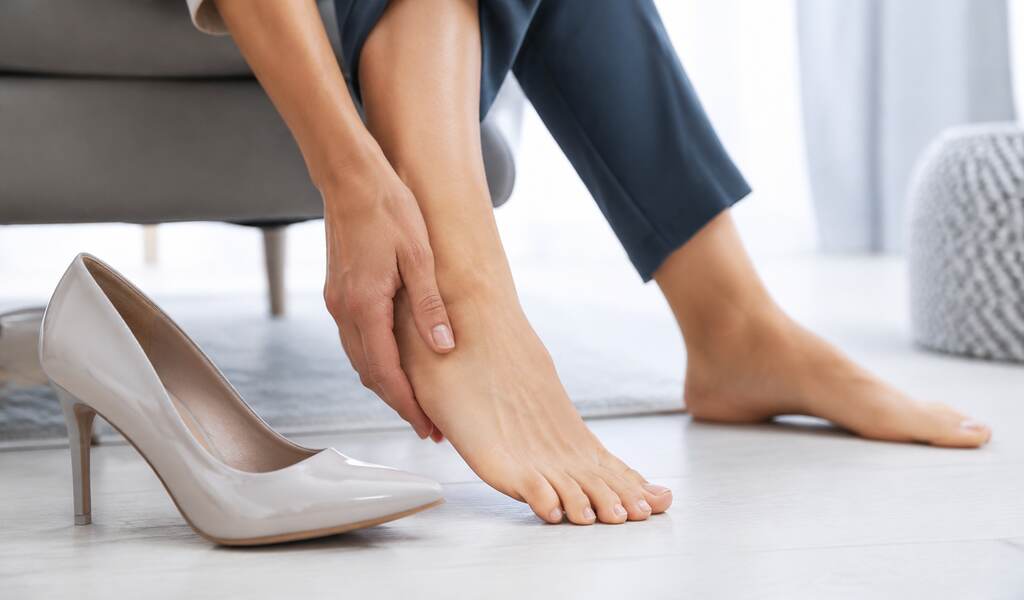

Walking with Plantar Fasciitis is not always harmful. The main issue is how much pressure you put on your foot. Too much walking, poor shoes, or walking when your pain is getting worse can put extra stress on the plantar fascia. You do not always need to stop walking. Instead, you may need to walk less, take breaks, wear supportive shoes, and avoid activities that make your pain worse.
In this guide, Foot + Ankle Specialty Centers explains how to manage walking with plantar fasciitis, what can make the pain worse, and how to reduce heel pain while staying active.
Table of Contents
ToggleDoes Walking Make Plantar Fasciitis Worse?
Some people with severe plantar fasciitis can’t walk comfortably because of heel pain. However, walking itself is not always harmful. Symptoms are more likely to get worse when your foot takes more pressure than it can handle, such as from too much activity, a sudden increase in activity, or poor footwear.
Everyone is different, so there is no single walking time or distance that is right for everyone. Use your symptoms as a guide. You may need to reduce your activity if you notice:
- Heel pain that gets worse while walking
- More pain after walking
- Pain that changes the way you walk
- Increased soreness in your heel or arch
- Morning pain or stiffness that is getting worse
What Activities Should You Avoid with Plantar Fasciitis?
You do not always need to avoid an activity completely. However, you may need to reduce or temporarily stop activities that clearly make your heel pain worse. These may include:
- Running or jumping when they increase your pain
- Long walks that leave your heel more painful afterward
- High-impact workouts like jumping exercises, running, or burpees.
- Sports with lots of running or jumping like basketball, soccer, or tennis.
- Activities that change your walking pattern like long walks, hiking, or standing for hours.
What Happens If You Keep Walking with Plantar Fasciitis?
Walking can be a good way to stay active when you have plantar fasciitis, as long as your foot can handle the activity. Gentle movement may help you maintain mobility and prevent stiffness. However, walking does not cure plantar fasciitis, and you may need to adjust your activity while your foot heals.
If you continue walking without managing your symptoms, you may experience:
- More heel pain during daily activities
- Longer recovery time
- Changes in the way you walk to avoid putting pressure on your heel
- Extra stress on your knees, hips, or back because of an altered walking pattern
Should I Stop Walking with Plantar Fasciitis?
You usually do not need to stop walking completely. The goal is to adjust how much you walk based on how your foot responds. This type of activity management can also be an important part of your plantar fasciitis treatment.
Your current walking level may be tolerable if your pain stays mild and does not clearly get worse during or after walking. Pay attention to how your heel feels later that day and the next morning.
If walking causes more pain, makes you limp, or leaves your heel more painful later that day or the next morning, you may be doing too much. Reduce your walking and other activities that put stress on your foot.
As your symptoms improve, you can slowly increase your activity. There is no fixed walking time or distance that works for everyone. Let your symptoms guide how much activity your foot can handle.
How to Walk Safely with Plantar Fasciitis

You may still be able to walk with plantar fasciitis. The key is to manage the pressure on your foot and pay attention to your symptoms. Everyone has a different level of activity they can handle.
The table below gives practical ways to make walking more comfortable:
Solution | What to Do |
Wear supportive shoes | Choose comfortable shoes that support your heel and arch. |
Stretch your foot and calf | Gently stretch your plantar fascia and calf muscles before activity. |
Adjust your walking | Choose a pace and distance that feel comfortable for your foot. |
Take regular breaks | Give your feet time to recover during longer periods of activity. |
Use shoe inserts | Use suitable inserts or orthotics for extra foot support when recommended. |
Choose comfortable surfaces | Walk on flat, even surfaces when possible. |
Increase activity gradually | Add more walking based on how well your foot handles your current activity. |
Strengthen your foot and ankle | Do appropriate exercises that build strength in your foot, ankle, and calf. |
The goal is not to avoid walking completely. It is to find an amount of activity your foot can handle while using stretching, strengthening, supportive footwear, and other recommended care to manage your symptoms.
How To Ease Heel Pain While Walking?
If your heel hurts after walking, these simple steps may help reduce the pain:
- Apply a cold pack to your heel to help with short-term pain relief.
- Reduce demanding activities when your heel pain gets worse.
- Gently massage the bottom of your foot to ease soreness.
- Ask your doctor which pain medicine may be safe for you.
According to the 2023 Clinical Practice Guideline for Heel Pain–Plantar Fasciitis published by the Journal of Orthopaedic & Sports Physical Therapy (JOSPT), conservative treatments such as stretching, strengthening exercises, physical therapy, and orthotics used with other treatments may help reduce pain and improve function. These treatments are not guaranteed to cure plantar fasciitis, but they can be part of a treatment plan.
A night splint may help with morning heel pain. Read our guide on Do Night Splints Help Plantar Fasciitis to learn more. See a podiatrist if your heel pain keeps getting worse or does not improve with self-care.
What are the Best Walking Shoes for Plantar Fasciitis?

There is no single best walking shoe for everyone with plantar fasciitis! Choose shoes that fit well, feel comfortable, and provide good support. The table below shows some simple things to look for:
What to Look For | What It Means |
Good fit | The shoe feels comfortable and fits your foot well. |
Enough toe space | Your toes have enough room inside the shoe. |
Secure fit | Your foot stays comfortably in place when you walk. |
Cushioning | The shoe feels comfortable under your heel and foot. |
Support | The shoe provides enough support for your daily activities. |
Space for inserts | There is enough room if you need to wear an insert or orthotic. |
The NHS plantar fasciitis guide recommends wearing sensible, well-fitting shoes. Orthotics may also be used as part of a larger treatment plan. The 2023 Clinical Practice Guideline for plantar fasciitis states that orthotics should not be used as an isolated treatment. It says they may be used together with other treatments to help reduce pain and improve function.
There is no need to change the way you walk on your own. If you have problems with your walking pattern, a podiatrist or other healthcare professional can assess it and give you individual advice.
Let’s Recap
Walking with plantar fasciitis can feel like a big challenge. But you don’t have to give up on walking. With the right shoes, care, and help from foot doctors, you can take steps without pain. Listen to your feet. Take small steps. And get help to heal your feet.
If heel pain is making it hard to walk, Dr. Payam Sarraf and the team at Foot + Ankle Specialty Centers are here to help. We serve patients at our Gilbert, Scottsdale, Chandler, Mesa, and Phoenix, AZ locations. Call us at 480-812-3668 to schedule an appointment and get the right care for your feet.
FAQs
Should I limit walking with plantar fasciitis?
Limit walking if it worsens pain, causes limping, or increases symptoms later that day or the next morning.
Can you walk with plantar fasciitis?
Yes, but only with good shoes, rest, and support.
Is it better to rest or be active with plantar fasciitis?
Both. Rest during pain, but gentle movement helps healing.
Is walking bad for plantar fasciitis?
Walking is not always bad for plantar fasciitis, but too much walking or walking through pain may worsen symptoms.
Plantar Fasciitis Can’t Walk. What Should I Do?
Reduce activity, avoid severe pain, wear supportive shoes, and see a podiatrist if walking remains difficult or symptoms do not improve.
Is walking good for plantar fasciitis?
Gentle walking may help maintain movement, but too much walking can increase symptoms if your foot cannot tolerate it.
How does walking help plantar fasciitis?
Walking can help maintain mobility and reduce stiffness, but it does not treat or cure plantar fasciitis.