Bunion surgery is a big decision, and it’s normal to wonder how long the bunion surgery recovery time will take. Most people aren’t worried about the surgery itself; they’re more focused on what happens after. Will it hurt? How long before you can walk? Can you wear shoes again? Will your foot look normal? So, let’s walk you through bunion surgery recovery week by week so you know exactly what to expect.
Table of Contents
ToggleHow Long is Recovery from Bunion Surgery?
Recovery from bunion surgery is different for everyone, but most people need around 6 to 12 weeks before they’re walking normally again. Full healing, including getting back to regular shoes and daily routines, can take up to 6 months. The more you rest, follow instructions, and avoid rushing, the better your recovery will go.
What to Expect After Bunion Surgery? Week by Week
Healing takes time, and each week brings new changes. Let’s break down what to expect with minimally invasive bunion surgery recovery week by week:
Week 1
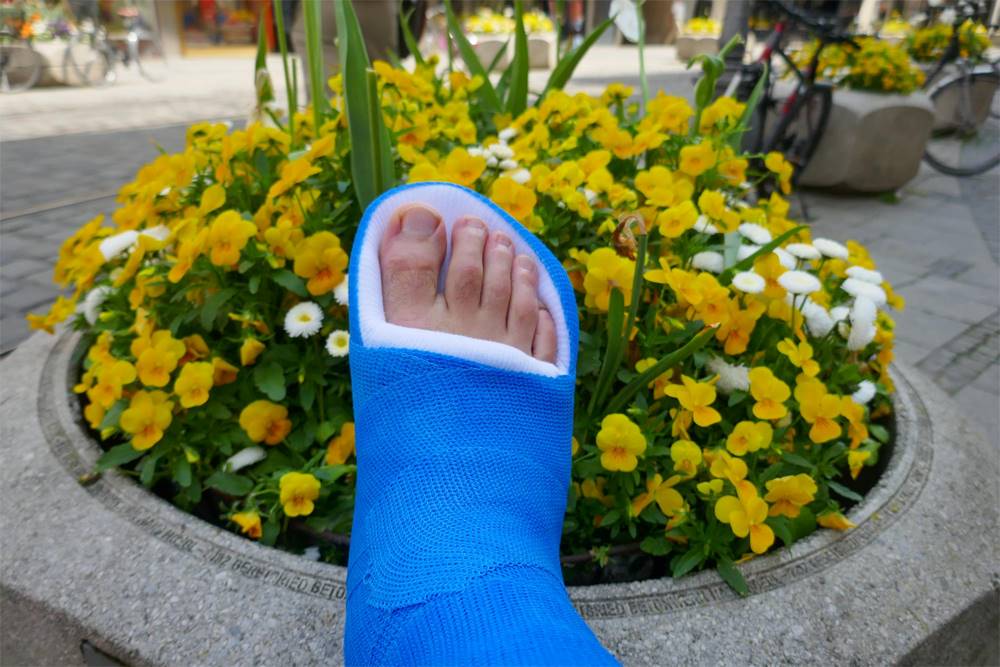
Your foot will be bandaged and possibly in a surgical boot. You’ll be told to keep it raised most of the time to help with swelling. It will be sore, swollen, and hard to move. You may be using crutches or a walker. Pain might get worse, especially around the second or third day.
Keep your foot dry. No showers unless your doctor says it’s okay. Most of your time will be spent sitting or lying down. Rest is your job this week. You also might feel frustrated or bored, but that’s totally normal. Let your foot rest. That’s how healing starts.
Week 2
You’ll likely see your foot doctor Gilbert to check the incision. Stitches might come out if things look good. You’ll still need your boot and crutches, and you should still be keeping your foot up a lot.
There might still be some pain and swelling, but it should be a little better. You might be allowed to move your toes just a little, very gently. Still, no walking unless your doctor says it’s okay. Your foot might also feel tight or tingly. It means it’s healing, but the nerves and soft tissues are still sensitive.
Week 3
You may be told it’s okay to start putting a little weight on your foot while wearing your boot. That doesn’t mean walking around the house all day; just short, careful steps if your doctor approves.
You can start doing light toe and ankle movements. These exercises help keep your foot from getting stiff. It’s important not to overdo it. Some people try to test their limits too soon. That almost always backfires. In addition, swelling will still come and go. If your foot gets puffy at night, try elevating it again.
Week 4
This week, you might start walking more while wearing the boot. Short trips around the house are okay if your doctor gives you the green light. Some people start physical therapy around this time.
You might feel like you’re finally getting somewhere, but your foot is still healing, even if the pain is better. Swelling and stiffness are still common. Your foot may still look swollen or bruised. It’s not pretty, but it’s part of the process.
Week 5
You might be allowed to try a soft shoe or sneaker with a wide-toe box. Still no heels, no tight shoes, and definitely no barefoot walking. Pain should be mild now, but swelling might stick around after activity. Ice still helps a lot.
Your foot will feel better but still tire easily. You’ll notice you can do more, but you’ll also feel it if you do too much. Continue doing daily stretches and exercises to help the joint move better.
Week 6
You’re likely walking more this week, maybe even outside the house for short walks. Some people get cleared to stop using the surgical boot around now. There might still be a little stiffness when you wake up or after a long day. This is normal.
Shoes should still be soft and roomy. Your foot is not ready for fashion just yet. Stick with sneakers or supportive flats. And don’t forget your exercises!
Weeks 7–8
You may feel more confident walking. If your job doesn’t involve standing all day, you might be back at work. If you had surgery on your right foot, you might be allowed to drive again. Also, some swelling may still show up in the evening. Keep icing it when needed, and avoid long periods of standing.
Month 3 and Beyond
You might not even think about your foot as much now. That’s a good sign. You’re likely back in regular shoes. You’re doing more of your usual activities, maybe even going for longer walks.
But there can still be swelling at the end of a long day. Some people feel stiffness for several more months. Remember to keep up the good habits and rest when needed.
Tips for a Smooth Bunion Surgery Recovery
- Keep your foot raised as much as you can in the first two weeks.
- Use ice to reduce swelling, especially after moving around.
- Wear the boot or protective shoe exactly as your foot doctor Phoenix
- Avoid putting weight on your foot until you’re cleared.
- Take medicine on time to control pain.
- Don’t skip follow-up visits with your foot doctor.
- Start stretching and moving slowly.
- Stick with wide, supportive shoes.
- Have healthy foods to help your body heal.
- Be patient and give your foot the time it needs.
What to Avoid after Bunion Surgery?
- Walking barefoot
- Wearing heels or narrow shoes
- Getting your stitches wet before your foot doctor says it’s okay
- Driving before you’re cleared (especially if it’s your right foot)
- Skipping foot exercises or doing them too early
- Standing or walking too much in the early weeks
- Lifting heavy objects that can throw off your balance
- It slows down healing
- Ignoring swelling, redness, or new pain
Expert Bunion Surgery and Recovery Care in Phoenix
Bunion surgery recovery week by week can feel frustrating, but knowing what to expect from the process can make the road easier.
At Foot and Ankle Specialty Centers, we help people through every part of their bunion journey, from surgery to recovery and beyond. With offices in Phoenix, Chandler, Mesa, Gilbert, and Scottsdale, our expert doctors are close by and ready to help.
If you’re ready to take the next step, schedule an appointment today and get the help you need during recovery.
FAQs about Bunion Surgery Recovery Time
How far can you walk 2 weeks after bunion surgery?
Only short distances, and only if your doctor says it’s okay.
How long in bed after bunion surgery?
You’ll need to rest a lot the first week, but some light movement is helpful.
What is the most painful day after bunion surgery?
Usually, Day 2 or 3, when swelling is at its worst.
How long does it take to walk generally after bunion surgery?
Most people walk in a boot after 3–4 weeks and return to regular walking by 6–8 weeks.
How long does bunion surgery recovery take?
It can take 3 to 6 months, depending on the type of surgery and how well you follow instructions.
What to expect 3 weeks after bunion surgery?
You may start gentle toe movements or light weight-bearing, depending on your doctor’s advice.
What will my foot look like after surgery?
It may be swollen or bruised at first, but over time, it will look straighter and smoother.
What to expect 4 weeks after bunion surgery?
You might start walking more in the boot and begin physical therapy or light stretching.
What shoes should to wear six weeks after bunion surgery?
Wear wide sneakers or soft shoes with plenty of space in the toe box.
What to expect 5 weeks after bunion surgery?
You’ll likely feel stronger, may switch to soft shoes, and be doing more around the house.
How can I speed up the recovery process?
Rest, elevate your foot, follow your doctor’s advice, wear proper shoes, and don’t overdo it too soon.