
What Does a Neuroma Actually Feel Like?
- Published by: Payam Sarraf
- on
- | Updated on January 20, 2025

Have you ever had a pebble inside your shoe? What about a sock that bunches up? These are the sensations commonly described to explain a neuroma — a condition requiring treatment from a podiatrist.
At Foot + Ankle Specialty Centers Chandler, with six Arizona locations, our foot doctors Chandler — Payam Sarraf, DPM, Kate Kennedy, DPM, Katy Statler, DPM, Andrew Goodeill, DPM, Christopher Van Damme, DPM, Amelia Harris, DPM, and Sina Safar, DPM — offer diagnosis and treatment for neuromas.
Table of Contents
ToggleNeuroma 101
Although it’s sometimes called a benign tumor, a neuroma isn’t a tumor at all. Instead, it’s nerve tissue that has thickened.
Neuromas are five times more likely to occur in women than in men. Risk factors include:
- Having a foot problem, such as hammertoe or flat feet.
- Wearing shoes that don’t fit.
- Wearing shoes that stress certain parts of your foot (like heels).
- Overworking your feet, including long-distance running.
What a neuroma feels like
The patient will need to be able to describe what they’re experiencing to our team.
A neuroma feels like there’s a pebble or rock inside your shoe. Some people also describe it as a bunched-up sock or a marble under their foot. However, when they look for something causing the sensation, there’s nothing there.
Neuromas don’t create a bump or any outward signs on the foot. It is common to feel tingling or numbness and sometimes even a burning sensation. These signs mean you are probably experiencing a neuroma.
How Foot + Ankle Specialty Centers can help
We want to help you avoid pain and discomfort and start feeling like your old self again. If you’re experiencing a neuroma, running, walking, or standing without pain can be challenging. That’s why it’s essential to seek help for this condition.
Several treatments can relieve neuroma, including custom orthotics, steroid injections, over-the-counter pain medications, and physical therapy. In severe cases, surgery to remove the damaged nerves might be necessary.
Of course, you’ll need to make some changes in your day-to-day life, which can include not wearing high heels, choosing shoes with adequate room in the toe box, and taking a break from repetitive activities like running. Over time, you will see improvements.
You don’t have to live with a neuroma
Neuromas are uncomfortable, painful, and challenge your mobility. But there are treatment options when you seek professional help.
We offer six clinics in Arizona where you can discuss your neuroma treatment with a licensed provider. Call us today or visit us online to make an appointment.

Payam Sarraf
Payam Sarraf, DPM, is a podiatry specialist and surgeon at Foot + Ankle Specialty Centers, with offices in Gilbert, Scottsdale, Chandler, and Phoenix, Arizona. Dr. Sarraf’s areas of expertise include ankle trauma, Achilles tendon ruptures, podopediatrics, ankle arthroscopy and reconstruction and biomechanics.
Related posts
- Payam Sarraf
- September 3, 2026
- No Comments
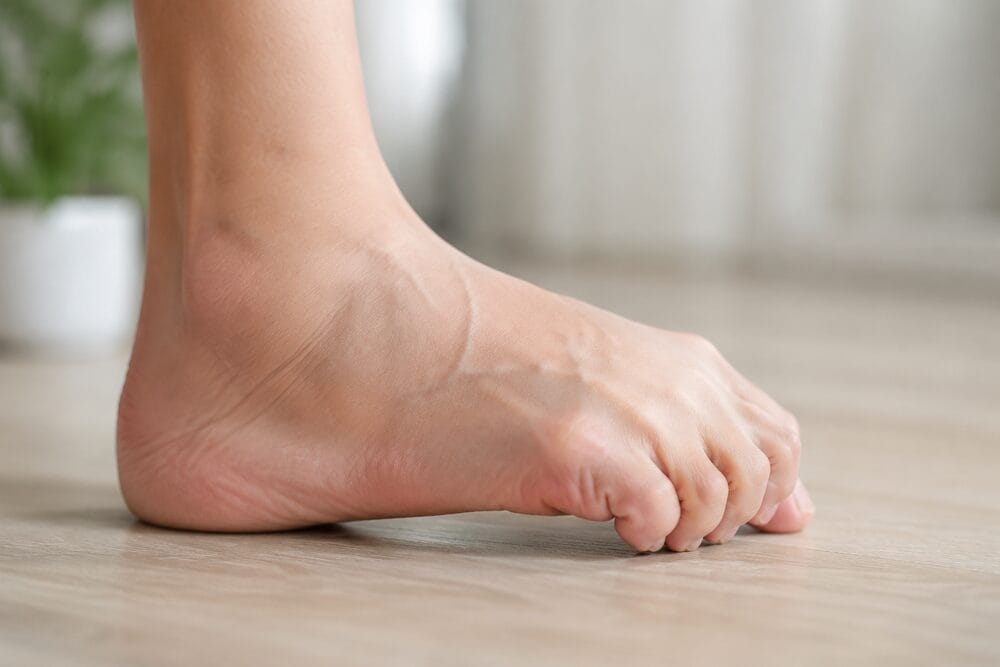
Toe curling happens when your toes bend downward and inward toward the bottom of your foot. Common causes include muscle spasms, nerve problems, dystonia, toe deformities, […]
- Payam Sarraf
- August 29, 2026
- No Comments
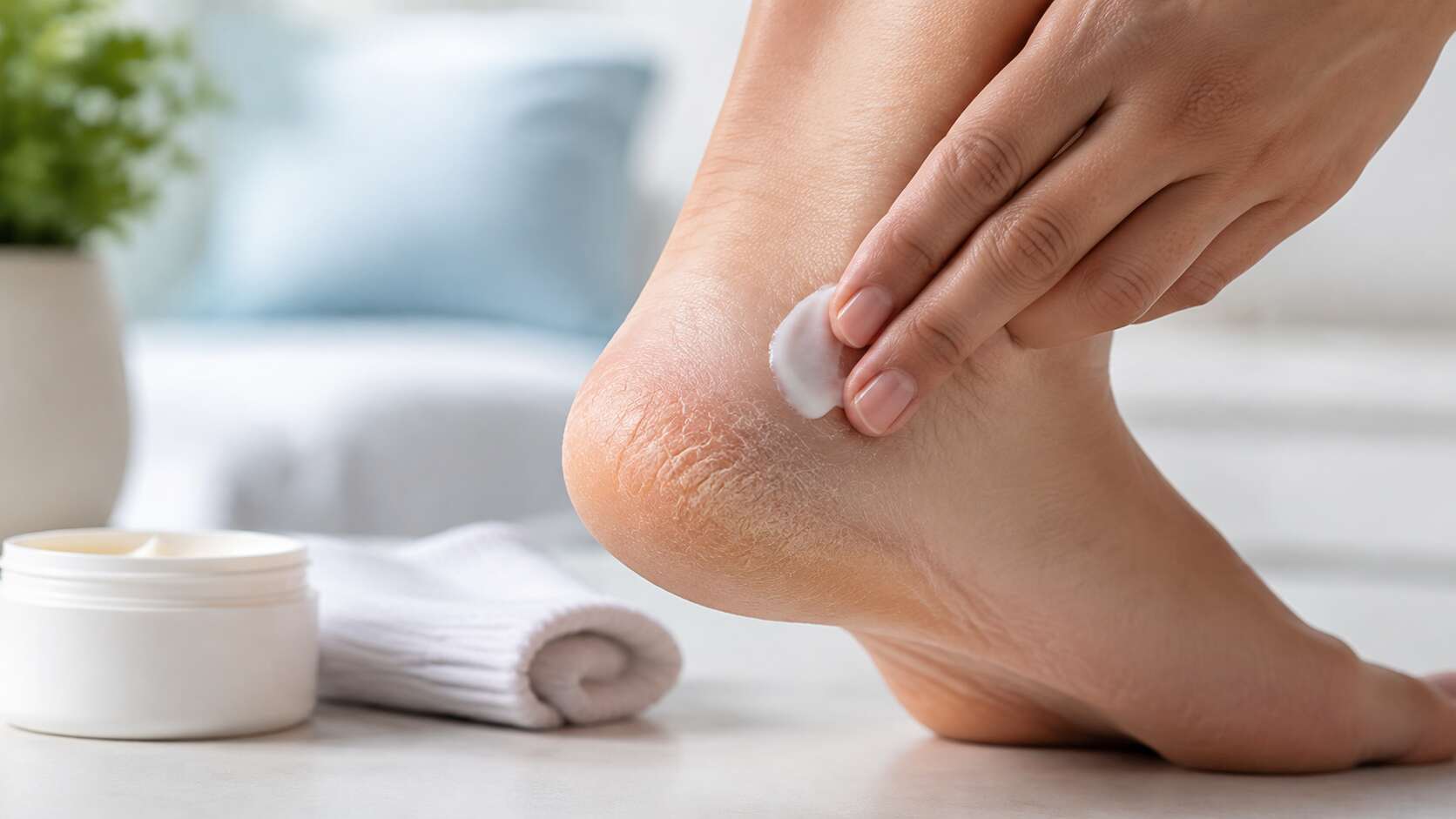
Cracked heels develop when dry, thick skin splits under pressure from standing or walking. To help them heal, soak your feet, exfoliate the dry skin, moisturize […]
- Payam Sarraf
- August 29, 2026
- No Comments
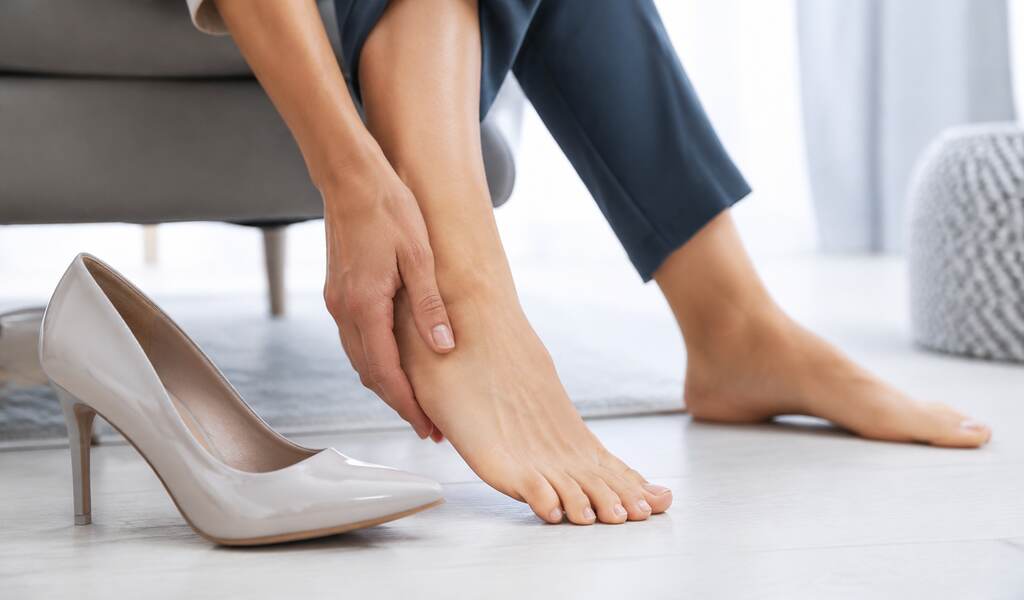
High heels can cause a forward weight shift, which puts extra pressure on your toes and the front of your feet. A narrow toe box may […]