









Suspect a Broken Foot? Signs and Next Steps for Phoenix Patients
- Published by: Payam Sarraf
- on
- | Updated on March 2, 2026

One wrong step can change your whole day. You twist your foot, it starts to hurt, and you hope it’s nothing serious. Many people try to walk it off or wait for the pain to fade. But sometimes, the damage is more than a simple bruise or sprain. A broken foot can look normal at first, but without the right care, it may heal the wrong way. In this article, we explain all the signs of broken foot and what to do next, so you can protect your health and avoid bigger problems later.
Table of Contents
ToggleCommon Signs of a Broken Foot and What to Do Next
A broken foot can cause many different symptoms. Below are different signs of a broken foot that may appear after an injury. Each sign tells you that something may be wrong inside the foot and needs medical attention.
Bruising
Bruising often happens after a foot injury. The skin may look blue, purple, or dark red. This means small blood vessels under the skin have broken. A small bruise is not always serious, but if the bruise gets bigger, darker, or spreads, it could be one of the signs of broken foot.
What to do:
Rest your foot and do not walk on it
Raise your foot above heart level
Put ice on the area for 15 to 20 minutes, a few times a day
Do not wrap the foot too tightly
If bruising does not improve in 1–2 days, see our foot doctors at Foot and Ankle Specialty Centers for expert care and proper diagnosis.
Pain
Strong pain is one of the main signs of a broken foot. The pain may feel sharp or deep. It often gets worse when you stand or walk. Some people feel a snap or pop when the injury happens. Pain that does not improve with rest is a warning sign. You should stop putting weight on the foot and use ice to reduce discomfort. If walking is very painful or the pain stays the same, you need a medical exam.
Redness
Redness may show up after a foot injury. The skin can look warm, swollen, or irritated. Redness by itself does not always mean a broken bone, but when it appears with pain or swelling, it can be one of the signs of broken foot. This means your body is reacting to damage in the area.
What to do:
Keep your foot raised to help reduce redness
Do not wear tight shoes or socks
Avoid standing or walking too much
Watch for spreading or worsening redness
If it does not get better or gets worse, see a trusted foot doctor in Phoenix for a full check-up and treatment
Swelling
Swelling often starts soon after a fracture. The foot may look larger, tight, or puffy. Fluid builds up around the injured area, which causes the swelling. Ongoing swelling can be one of the signs of broken foot. You should rest, elevate the foot, and apply ice several times a day. Try to avoid standing or walking too much. If the swelling does not go down within one to two days, you should seek medical care.
Numbness
Numbness or tingling is a serious symptom. A broken bone can press on nerves or affect blood flow. Loss of feeling in the toes or foot may occur along with other signs of broken foot. You should remove tight footwear and keep the foot elevated. Avoid putting pressure on the area. If numbness does not improve quickly, you need medical attention right away.
Deformities
A deformity means the foot or toe looks bent, twisted, or out of place. This often shows a more serious fracture. Deformity usually comes with strong pain and swelling. This condition needs urgent care. You should keep weight off the foot and seek medical help as soon as possible. Early treatment helps the bones heal in the correct position and prevents long-term problems.
Why It’s Important to Know the Signs of a Broken Foot
Knowing the signs of a broken foot is important for many reasons. Below are the main ones:
You can avoid making the injury worse
It helps you decide when to stop walking on it
You can get the right treatment at the right time
It lowers the chance of the bone healing the wrong way
It helps prevent long-term pain or foot problems
You may avoid surgery with early care
It speeds up healing and recovery
You can return to normal life sooner
What Happens If You Ignore the Signs of Broken Foot
Ignoring the signs of a broken foot can lead to serious problems. Below are the risks you may face:
The bone may heal the wrong way
You could develop long-term pain or stiffness
Walking may become difficult or painful
Swelling and bruising may get worse
You may need surgery later
The injury can become harder to treat
It can lead to joint or nerve damage
Recovery time may take much longer
We help you catch and treat the signs of a broken foot early. Dr. Payam Sarraf and the team at Foot and Ankle Specialty Centers are here to provide expert care and get you back on your feet safely.
Final Thoughts
Foot injuries may seem minor at first, but they can become serious if you ignore them. When you notice several signs of broken foot at the same time, you should not wait to get help. Early treatment helps the bone heal the right way and lowers the risk of long-term pain, weakness, or walking problems.
If you live in Phoenix, come to Foot and Ankle Specialty Centers for expert diagnosis and treatment. Our team has helped many patients recover safely, and we are proud to have over 1,000 five‑star Google reviews from satisfied patients.
FAQs
How do I know if my foot is broken or just sprained?
A sprain causes mild to moderate pain and improves with rest. A broken foot often causes severe pain, swelling, bruising, and trouble putting weight on the foot.
Should I go to the ER for a broken foot?
You should go to the ER if the foot looks deformed, the pain is severe, or you cannot walk. Mild but ongoing symptoms can be checked by a foot specialist.
Can you still walk on a broken foot?
A mild (stage 1) ingrown toenail may have slight redness, tenderness, and mild swelling at the nail border without severe pain or infection.
How is a broken foot diagnosed?
Accordion Content
What is the treatment for a broken foot?
Accordion Content

Payam Sarraf
Payam Sarraf, DPM, is a podiatry specialist and surgeon at Foot + Ankle Specialty Centers, with offices in Gilbert, Scottsdale, Chandler, and Phoenix, Arizona. Dr. Sarraf’s areas of expertise include ankle trauma, Achilles tendon ruptures, podopediatrics, ankle arthroscopy and reconstruction and biomechanics.
Related posts
- Payam Sarraf
- September 3, 2026
- No Comments
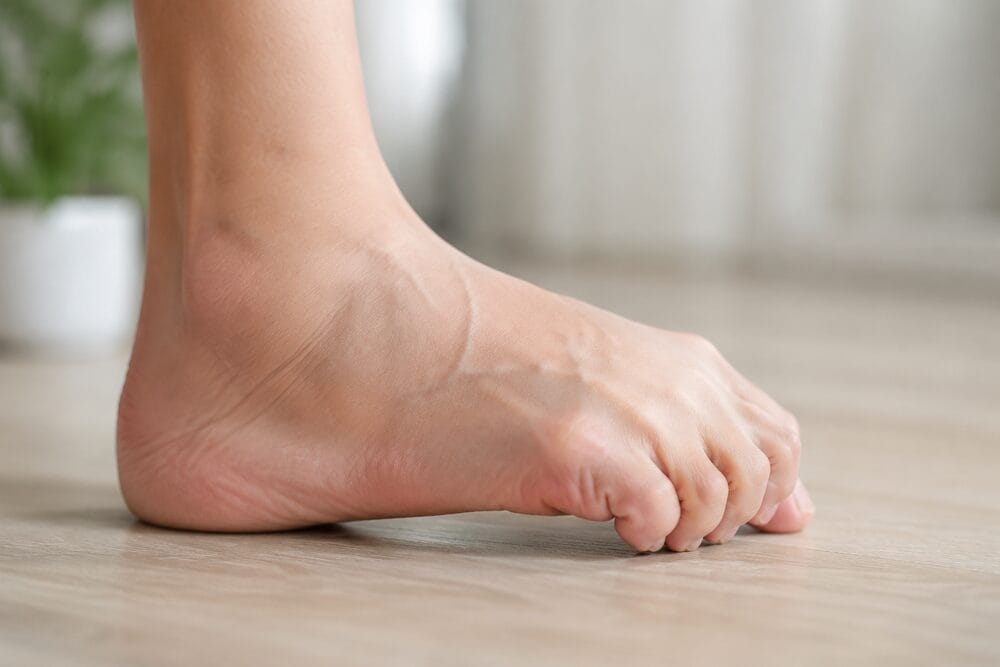
Toe curling happens when your toes bend downward and inward toward the bottom of your foot. Common causes include muscle spasms, nerve problems, dystonia, toe deformities, […]

- Payam Sarraf
- August 29, 2026
- No Comments
Cracked heels develop when dry, thick skin splits under pressure from standing or walking. To help them heal, soak your feet, exfoliate the dry skin, moisturize […]

- Payam Sarraf
- August 29, 2026
- No Comments
High heels can cause a forward weight shift, which puts extra pressure on your toes and the front of your feet. A narrow toe box may […]