
Flat Feet in Adults: Causes, Risks, and Effective Treatments
- Published by: Payam Sarraf
- on
- | Updated on May 28, 2026
Many people don’t think much about their feet until something starts to feel off. Maybe your ankles roll inward when you walk, your heels ache every morning, or your knees and lower back have gradually become sore. A quick search or a doctor’s comment leads you to one possibility: flat feet in adults.
Although many assume flat feet are a childhood issue, fallen arches in adults are extremely common. They often develop slowly and quietly, and create a chain of problems through the ankles, knees, hips, and even the spine.
At Foot + Ankle Specialty Centers in Phoenix (4.8‑star rating), we offer proper evaluation and treatment, so patients experience significant improvement. Join us to understand what’s happening inside your feet is the first step.
Table of Contents
ToggleWhat Are Flat Feet in Adults?
In adults, flat feet occur when the arch that normally supports and cushions the foot collapses. This causes most or all of the foot’s underside to contact the ground. This loss of arch support changes how the foot absorbs force and often leads to pain, overpronation, and altered walking mechanics.
There are two main types of adult flat feet:
- Flexible flat feet: The arch appears when you lift your foot or stand on your toes but collapses under body weight. This is the most common type seen in adults and is usually less severe.
- Rigid flat feet: The arch is absent both when standing and when the foot is unloaded. This usually indicates structural changes in the joints or bones.
When flat feet develop during adulthood rather than being present since childhood, it’s known as adult acquired flatfoot deformity (AAFD). This often occurs because the tibialis posterior tendon, the main tendon supporting the arch, has weakened, stretched, or begun to fail.
Causes of Flat Feet in Adults
The main cause of flat feet in Phoenix for adults is posterior tibial tendon dysfunction (PTTD). This tendon supports the arch, and when it becomes inflamed, overstretched, or torn from overuse or added load, the arch gradually collapses. PTTD often progresses slowly, so many adults don’t notice the problem until it becomes significant.
Other common causes of adult flat feet include:
- Weight gain and extra load strains the arch and its supporting ligaments.
- Aging makes tendons and ligaments grow weaker and lose elasticity over time.
- Loosened ligaments and increased weight of pregnancy can permanently lower the arch.
- Rheumatoid arthritis which damages joints and can lead to rigid flat feet.
- Previous injuries, such as poorly healed ankle fractures or ligament tears disrupt foot mechanics.
- Diabetes and severe neuropathy may cause rapid arch collapse (Charcot foot).
Flat Feet Symptoms in Adults
Symptoms vary depending on severity, but these common symptoms often point to foot arch collapse in adults:
- Pain along the inside of the foot or ankle
- Heel pain (often linked to plantar fasciitis)
- Swelling around the posterior tibial tendon
- Rolling inward of the ankles (overpronation)
- Knee, hip, or back discomfort from altered alignment
- Difficulty standing on tiptoes
- Shoes wearing unevenly
Flat Feet Risks and Complications
Untreated flat feet in adults can lead to:
- Chronic heel and arch pain (frequently misdiagnosed as plantar fasciitis)
- Shin splints and calf tightness from constant compensation
- Flat feet and knee pain due to abnormal kneecap tracking
- Hip misalignment and pain from altered gait
- Flat feet and back pain, especially in the lower back
- Progressive tendon damage. Advanced PTTD can lead to tendon rupture.
- Arthritis in the foot and ankle joints from chronic misloading
Best Treatments for Flat Feet in Adults
Can Flat Feet Be Corrected in Adults? Yes. Most cases of flat feet in adults can be treated without surgery, especially when caught early. Flexible flat feet respond extremely well to orthotics, footwear changes, and exercises. The arch may not fully “return,” but pain can be eliminated and progression stopped.
Rigid flat feet or advanced AAFD often require surgery for full correction. Modern procedures produce strong, reliable results, especially when treated earlier in the course of the condition.
Custom Orthotics for Flat Feet
Custom orthotics are often the cornerstone of flat feet treatment for adults. These aren’t generic pharmacy insoles, they’re designed from a precise mold of your foot to:
- Support your arch
- Reduce overpronation
- Relieve stress on damaged tendons
- Improve alignment from foot to back
Supportive Footwear
Footwear directly affects arch stability. Flat feet shoes and support should include:
- Stability or motion‑control shoes
- Firm heel counters
- Arch support compatible with orthotics
Flat sandals, thin flip‑flops, and unsupportive flats worsen overpronation and accelerate damage.
Flat Feet Exercises and Physical Therapy
Physical therapy strengthens structures that support the arch. Early PTTD is a great example because it responds particularly well to targeted strengthening. Common flat feet exercises include:
- Calf raises
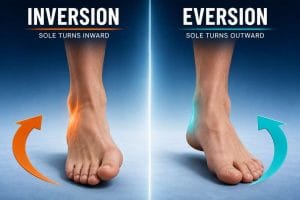
- Resistance band inversion/eversion
- Arch‑strengthening movements
- Achilles and calf stretching
Bracing
When orthotics are not enough, an ankle‑foot orthosis (AFO) can stabilize the rearfoot and limit progression. It’s often used in moderate to advanced PTTD.
Surgical Options
Surgery becomes appropriate when conservative treatment no longer controls symptoms or when structural damage is advanced.
Common surgery for flat feet in adults includes:
- Tendon repair or transfer for severe PTTD
- Calcaneal osteotomy to reposition the heel bone
- Lateral column lengthening to restore arch alignment
- Subtalar fusion for significant arthritis or rigid deformity
- Flatfoot reconstruction surgery tailored to the individual
How Flat Feet Are Diagnosed
A foot and ankle specialist in Phoenix will begin with a physical exam, assessing your arches while standing and sitting, your ability to rise onto your toes, the alignment of your ankles and heels, the wear patterns on your shoes, and the way you walk during a gait analysis.
Imaging is often needed:
- X‑rays (taken while standing) show the degree of arch collapse.
- MRI helps assess tendon damage, especially in suspected PTTD.
- CT scans are useful for evaluating bone structure or rigid flat feet.
Expert Flat Feet Treatments for Adults in Phoenix
Flat feet in adults rarely improve without proper treatment. Leave it alone, and the condition usually progresses and causes problems far beyond the feet.
If you are in need of accurate diagnosis, the right combination of orthotics, supportive footwear, and exercises, contact Foot + Ankle Specialty Centers. Dr. Payam Sarraf and his team offer professional treatments that result in adults having strong, comfortable, pain‑free movement.
Call us at 480-812-3668, or visit one of our locations in the valley in Scottsdale, Phoenix, Chandler, Mesa, or Gilbert.
FAQ
Can flat feet develop in adulthood?
Yes. Flat feet in adults happen commonly due to PTTD, weight changes, aging, or injury. It is one of the most frequent foot conditions seen in adults.
What happens if flat feet are left untreated?
Untreated flat feet can cause chronic pain, plantar fasciitis, knee and hip problems, back pain, and progressive tendon damage requiring surgery.
Do orthotics fix flat feet permanently?
They don’t restore the arch permanently, but they reduce pain, improve function, and slow progression with long‑term use.
Can losing weight help flat feet?
Yes. Reducing load significantly decreases stress on the arch and supporting tendons.
Is flat feet surgery worth it?
For patients with advanced deformity or persistent pain despite conservative care, surgical results are typically very successful.

Payam Sarraf
Payam Sarraf, DPM, is a podiatry specialist and surgeon at Foot + Ankle Specialty Centers, with offices in Gilbert, Scottsdale, Chandler, and Phoenix, Arizona. Dr. Sarraf’s areas of expertise include ankle trauma, Achilles tendon ruptures, podopediatrics, ankle arthroscopy and reconstruction and biomechanics.
Related posts
- Payam Sarraf
- September 3, 2026
- No Comments
Toe curling happens when your toes bend downward and inward toward the bottom of your foot. Common causes include muscle spasms, nerve problems, dystonia, toe deformities, […]
- Payam Sarraf
- August 29, 2026
- No Comments
Cracked heels develop when dry, thick skin splits under pressure from standing or walking. To help them heal, soak your feet, exfoliate the dry skin, moisturize […]
- Payam Sarraf
- August 29, 2026
- No Comments
High heels can cause a forward weight shift, which puts extra pressure on your toes and the front of your feet. A narrow toe box may […]