Diabetes makes your feet feel colder, tingle, or go numb. Poor circulation is often the reason. When blood flow slows, your feet don’t get enough oxygen and nutrients. This makes healing slower and increases the risk of infections and ulcers. The good news? You can improve circulation in feet diabetes with the right steps. Let’s break it all down!
Table of Contents
ToggleThe Link Between Diabetes and Poor Circulation
High levels of blood sugar damage blood vessels over time, which makes them stiff and narrow. This slows blood flow, especially to the feet and increases the need for diabetic foot care Phoenix. Here’s how it happens:
- High blood sugar damages artery walls and makes them less flexible. When arteries stiffen, blood struggles to reach the feet.
- People with diabetes often develop peripheral artery disease (PAD). This condition causes fatty plaque to clog blood vessels.
- Poor circulation damages nerves and makes it harder to feel injuries. Without enough blood flow, these wounds take longer to heal and can lead to infections.
How to Improve Blood Circulation in Diabetic Feet?
Better circulation starts with small daily habits. Here’s how you can improve circulation in feet diabetes based on diabetic foot care Mesa:
Get Moving
Exercising can improve circulation in feet diabetes by making your heart pump more blood. You don’t need intense workouts—just keep your body active.
- Walk daily. A 20–30 minute walk gets blood flowing and strengthens leg muscles.
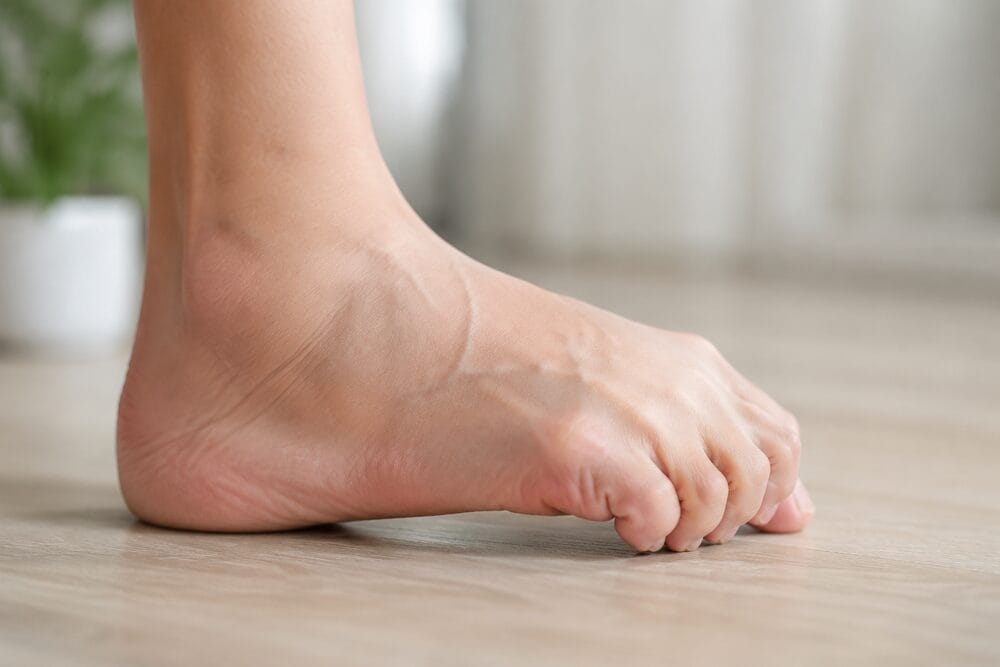
- Move your feet. If you sit for long periods, lift your feet, wiggle your toes, or stretch your ankles.
- Try seated exercises. If walking is difficult, simple leg raises, and foot flexes help circulation.
Control Blood Sugar
High levels of blood sugar damage blood vessels, which makes circulation worse. Keeping your sugar in check protects arteries and can improve circulation in feet diabetes. Diabetic foot care Gilbert recommends you:
- Monitor blood sugar levels daily.
- Eat fiber-rich foods, lean proteins, and healthy fats.
- Drink lots of water to prevent blood from thickening.
- Take medications as prescribed to keep levels stable.
Wear the Right Shoes
Tight shoes cut off circulation and make foot problems worse. So, diabetics should always wear comfortable, supportive footwear. They need to:
- Choose diabetic shoes with extra depth and soft soles.
- Avoid tight socks that restrict blood flow.
- Try compression socks to gently improve circulation.
Quit Smoking
Smoking damages blood vessels and makes circulation problems worse. It also increases the risk of heart disease, infections, and amputations. Quitting is one of the best things you can do to improve circulation in feet diabetes, and your overall health.
Massage Your Feet
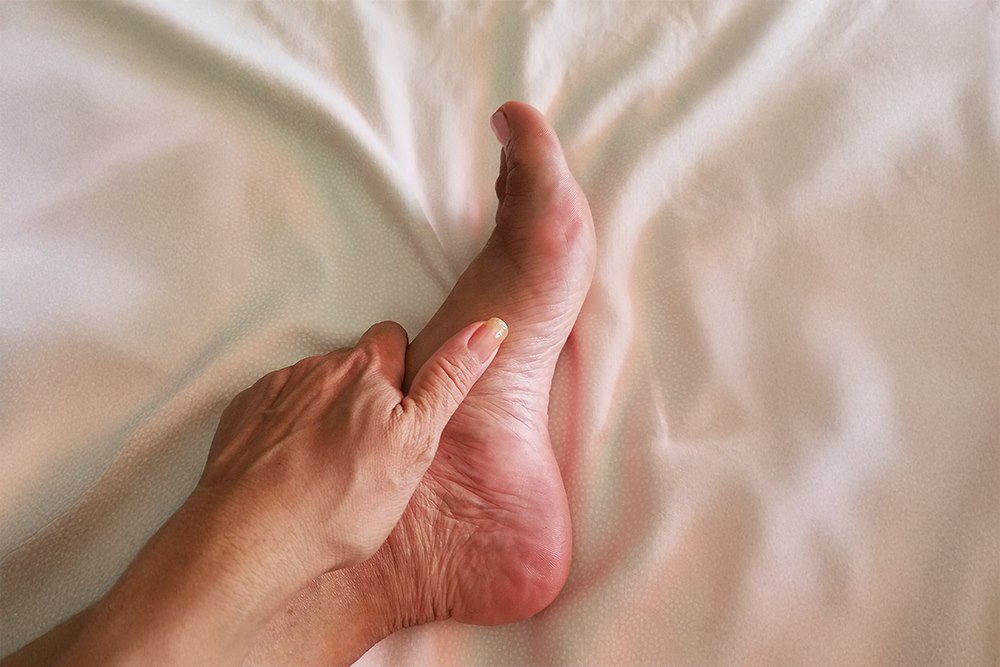
A simple foot massage improves circulation in feet diabetes by stimulating blood flow. How to do it?
- Rub your feet in circular motions with your hands.
- Use a tennis ball or massage roller under your feet.
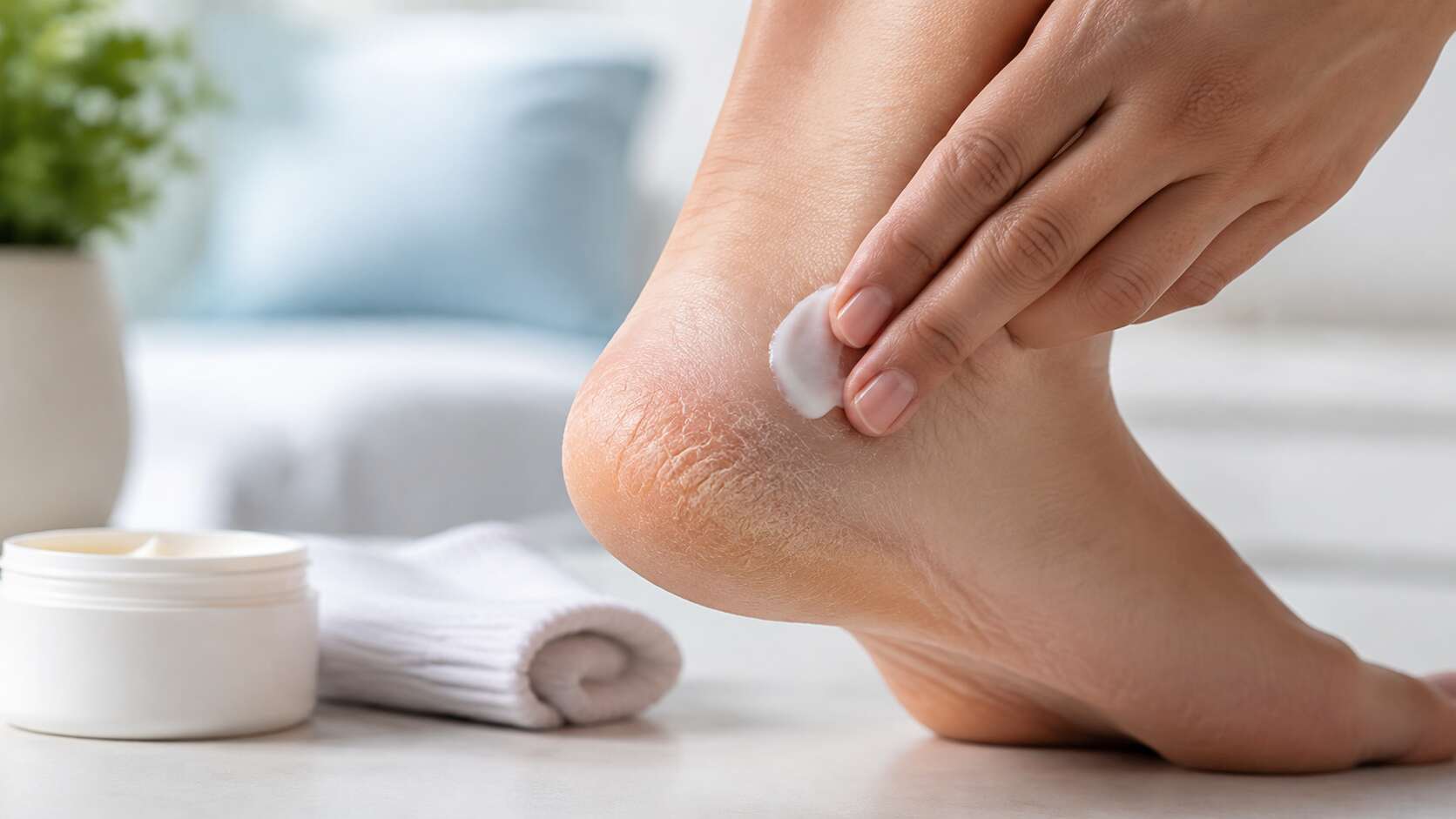
- Apply a warm lotion to keep the skin soft and moisturized.

Soak Your Feet (But Not Too Hot!)
A warm foot soak relaxes blood vessels and boosts circulation. Just be careful with the water temperature! Diabetic neuropathy makes it hard to feel heat, which increases the risk of burns. Diabetic foot care Scottsdale recommends you:
- Use lukewarm water (test it with your hand first).
- Soak for 10–15 minutes to improve blood flow.
- Moisturize after soaking to keep skin from drying out.
Keep Your Feet Elevated
When sitting or lying down, raise your feet slightly to encourage blood flow back to the heart. Try using a footstool or pillow. Keeping your feet at or slightly above heart level helps reduce swelling and prevents blood from pooling in your legs.
Consider Medical Treatments
If circulation doesn’t improve with lifestyle changes, a doctor may recommend:
- Medications to improve blood flow.
- Physical therapy for better mobility.
- Surgical operations like angioplasty to open blocked arteries.
Tips to Improve Circulation in Feet Diabetes
Here are more tips for diabetic foot care Chandler recommends to improve circulation in feet diabetes:
- Move every hour to prevent blood from pooling.
- Drink enough water to keep blood from thickening.
- Refrain from crossing your legs for long periods, as it restricts circulation.
- Keep your feet warm to prevent poor blood flow.
- Reduce stress, as high-stress levels raise blood sugar and worsen circulation.
Diabetes Circulation Symptoms
Poor circulation can sneak up on you. If you notice these symptoms, act quickly to improve blood flow:
- Cold feet, even in warm weather.
- Tingling or numbness that won’t go away.
- Sharp pain or cramps in your legs or feet.
- Slow-healing cuts or sores that don’t improve.
- Swelling or changes in skin color (pale, red, or bluish feet).
- Loss of hair on your feet and lower legs.
Improving Circulation in Diabetic Feet in Phoenix, Arizona
If you struggle with numbness, cold feet, or slow-healing wounds, it’s time to take action. At Foot and Ankle Specialty Centers, we can help you improve circulation in feet diabetes and prevent foot complications.
Our team offers expert foot exams to catch circulation problems early, advanced treatments, and custom footwear recommendations to protect your feet. We serve patients in Gilbert, Scottsdale, Chandler, Mesa, and Phoenix, Arizona. Don’t wait until problems get worse. Call us today to schedule an appointment!
The Bottom Line
Diabetes and poor circulation in feet go hand in hand, but you can take control. To improve circulation in feet diabetes, try daily movement, proper foot care, and regular checkups. Start making small changes today—your feet will thank you later.
FAQs
Walk daily, manage blood sugar, get foot massages, wear proper shoes, and avoid smoking.
Try gentle exercises, elevate your feet, drink more water, and wear supportive footwear.
Yes, if your feet get cold. Choose loose, breathable socks to keep warm without restricting blood flow.