
What to Drink to Reduce Swelling in Feet and Ankles
- Published by: Payam Sarraf
- on
- | Updated on September 15, 2026

Certain drinks and foods can help bring down swelling in your feet and ankles. The right beverages, like water, lemon water, or herbal tea, support your body’s natural fluid balance and often bring relief fast. Foods that reduce swelling in feet and ankles, like berries, leafy greens, and fatty fish, help too, and work over time to support circulation and lower inflammation.
In this guide, Foot + Ankle Specialty Centers covers what to drink to reduce swelling in feet, the best foods, what to avoid, and when swelling is worth a call to your doctor.
Table of Contents
ToggleWhat Can I Drink to Reduce Swelling in My Feet?
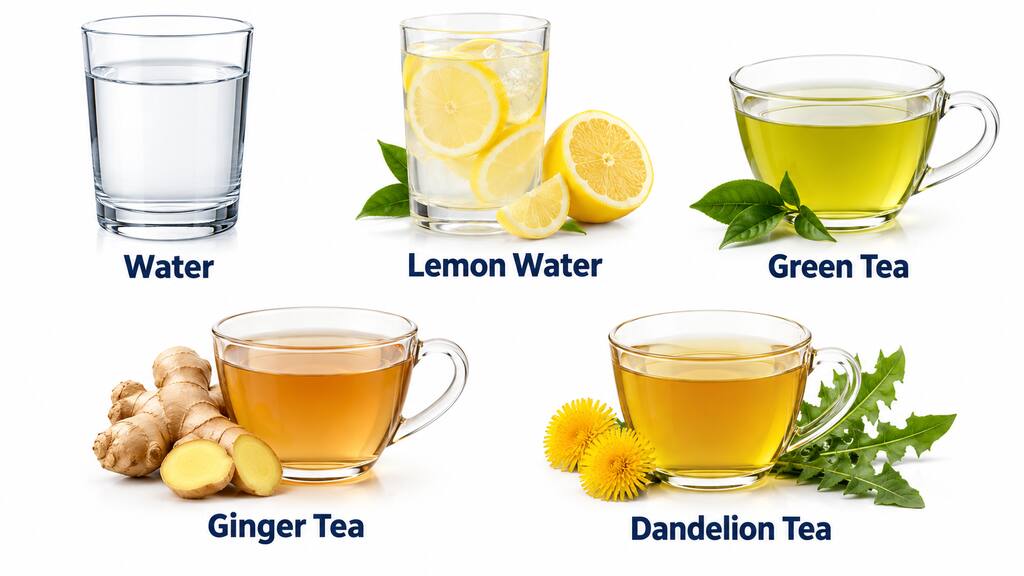
Some drinks can help your body let go of extra fluid and calm swelling in your feet and ankles. Below, we tell you what to drink to reduce swelling in feet and legs.
Water
Water helps your body maintain a healthy fluid balance. If you do not drink enough, your body may retain fluid, which can worsen swelling. Your fluid needs depend on your activity level, the weather, your health, and other factors. Drink regularly throughout the day, and increase your intake when exercising or spending time in hot weather.
Lemon Water
Lemon water is flavored water that may make it easier to stay hydrated. It also provides a small amount of vitamin C and antioxidants. The fresh taste can encourage you to drink water more often throughout the day. However, it does not directly treat swelling in the feet or ankles.
Green Tea
Green tea contains catechins, plant compounds studied for their anti-inflammatory effects. Drinking green tea often, along with plenty of water, may help lower inflammation in the body, including in the feet and ankles.
Ginger Tea
Ginger is often used for its anti-inflammatory properties and may support healthy blood flow. However, evidence that it helps relieve swelling caused by edema is limited.
Dandelion Tea
Ginger tea is a warm, unsweetened drink with natural anti-inflammatory compounds. While research on edema relief is limited, it can be a healthy addition to your daily fluid intake.
Tip: Limit sugary drinks, alcohol, and too much caffeine. They can affect hydration and make healthy fluid balance harder to maintain. This is especially important for people following a diabetic foot care routine. If you have a heart, kidney, or liver condition, ask your doctor how much fluid you should drink each day.
“If you have diabetes and notice persistent itching or other changes in your feet, learn more about treatment for itchy diabetic feet.“
What Causes Swelling in Feet and Ankles
Many things can make your feet and ankles swell. Some causes are simple and go away on their own. Others last longer or come from a health condition. Common causes include:
- Eating too much salt
- Sitting or standing for a long time
- Hot weather
- Pregnancy
- Hormonal changes during your period or menopause
- Certain medications
- An injury to the foot or ankle
- An infection
- Venous disease or poor blood flow in the legs
- A blood clot
- Heart, kidney, or liver problems
Best Foods That Reduce Swelling in Feet and Ankles
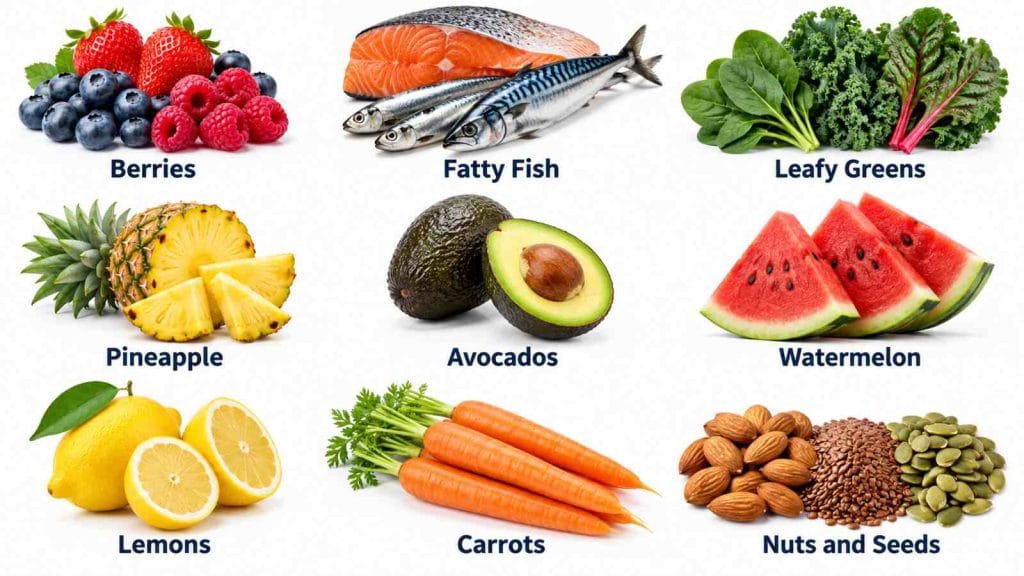
Certain foods work along with the right drinks to fight inflammation, support blood flow, and help move extra fluid out of your body. Below, we tell you about nine foods that can help, and how each one works.
Berries
Blueberries, strawberries, and raspberries are rich in antioxidants and vitamin C. These support healthy blood vessels, which can help lower swelling.
Fatty Fish
Salmon, sardines, and mackerel are rich in omega-3 fatty acids. These may lower inflammation and support better blood flow, which can help ease swelling. Aim for fatty fish at least twice a week.
Leafy Greens
Spinach, kale, and chard contain magnesium and potassium. Magnesium helps blood vessels relax, and potassium helps your kidneys manage sodium levels, which can reduce fluid buildup.
Pineapple
Pineapple contains bromelain, an enzyme studied for its anti-inflammatory properties, which may help bring down swelling.
Avocados
Avocados are rich in potassium. This helps your body manage sodium and fluid levels, which can help prevent swelling.
Watermelon
Watermelon helps keep you hydrated, and its potassium content further supports fluid balance in the body.
Lemons
Just like lemon water, whole lemons support your lymph system, which helps clear out extra fluid.
Carrots
Carrots support liver function, and your liver plays a role in how much fluid your body holds onto. Carrots also contain antioxidants that may help lower inflammation.
Nuts and Seeds
Unsalted almonds, flaxseeds, and pumpkin seeds provide magnesium and healthy fats that support blood flow, which can help with swelling.
Foods and Drinks to Avoid
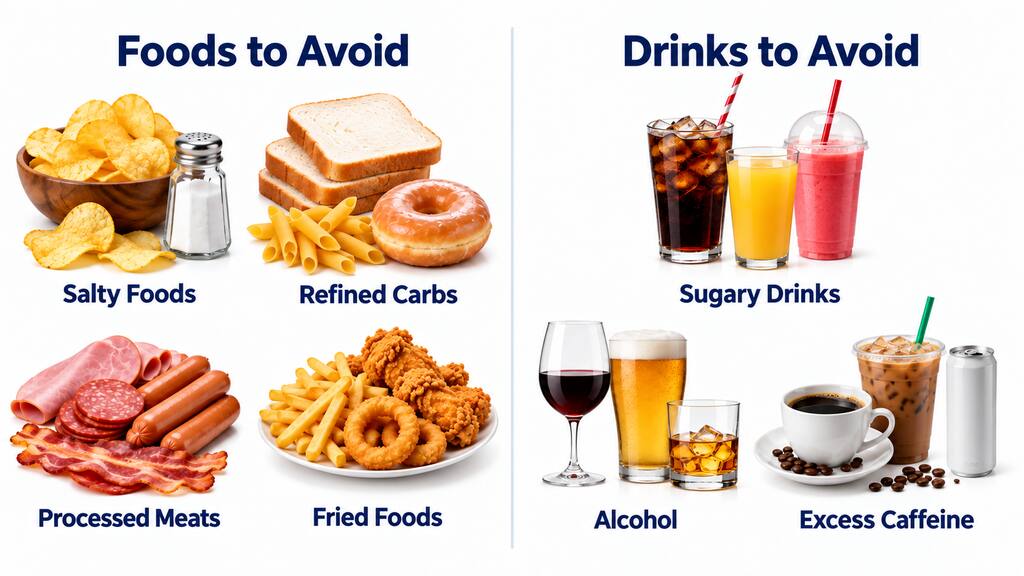
Some foods and drinks can make swelling worse by increasing inflammation or causing your body to hold more fluid. Limiting these items may help reduce swelling. Here is what to avoid.
Foods to Avoid
- Salty foods such as canned soup, fast food, and chips
- Refined carbs such as white bread, white rice, and pastries
- Processed meats such as bacon, sausage, hot dogs, and deli meats
- Fried foods such as fried chicken, French fries, and fried snacks
Drinks to Avoid
- Sugary drinks such as soda, sweetened tea, and energy drinks
- Alcohol such as beer, wine, and spirits
- Too much caffeine from coffee and energy drinks
When Swelling Needs Medical Care
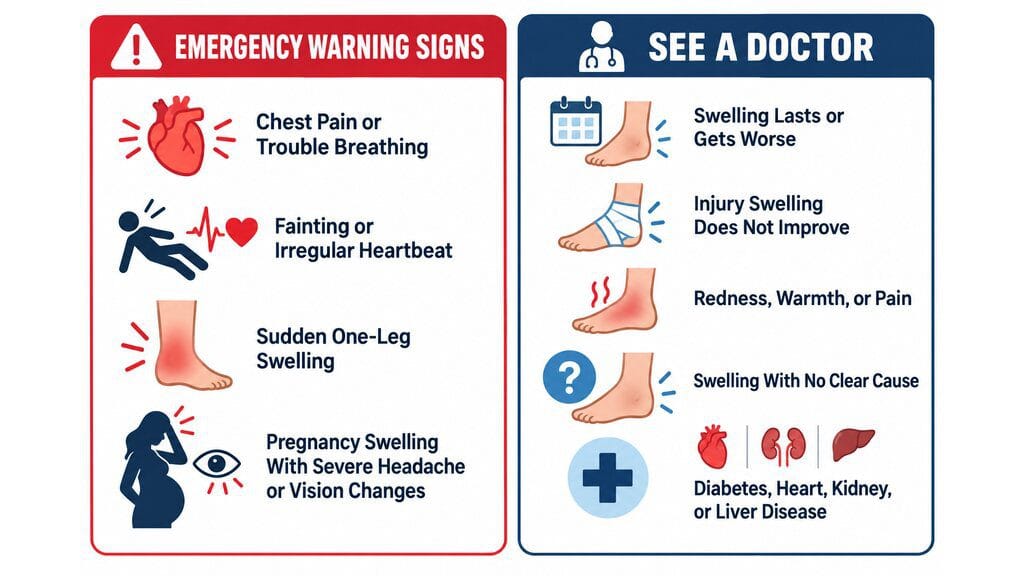
Most foot and ankle swelling improves with rest and simple lifestyle changes. However, some symptoms need medical care.
Seek emergency care right away if you have:
- Swelling with chest pain, trouble breathing, fainting, or an irregular heartbeat
- Sudden swelling in one leg with pain, redness, or warmth
- Sudden swelling during pregnancy, especially in the face or hands, with a severe headache or vision changes
Make a routine appointment with your doctor if you have:
- Swelling that lasts more than a few days or keeps getting worse
- Swelling after an injury that does not improve, especially after a twist or fall, may require treatment for an ankle sprain.
- Redness, warmth, or pain that develops slowly
- Swelling without a clear cause
- Diabetes, heart failure, kidney disease, or liver problems
Final Thoughts
If you want to know what to drink to reduce swelling in feet, start with water and choose unsweetened drinks. Also, eat less salt, take short walks, and raise your feet when you rest. If swelling does not improve, keeps returning, or comes with any of the warning signs above, Dr. Payam Sarraf, DPM, at Foot + Ankle Specialty Centers, can help find the cause. Call 480-812-3668 to schedule an appointment, or seek emergency care right away for chest pain or trouble breathing.
FAQs
What is good to drink for swollen feet?
Water, lemon water, green tea, ginger tea, and dandelion tea may support fluid balance and ease mild swelling in the feet and ankles.
Does drinking water help with swollen feet?
Yes. Staying hydrated helps your body release extra fluid instead of holding onto it, which can ease mild swelling in the feet and ankles.
What foods should you avoid when your feet are swollen?
Avoid salty foods, fried foods, processed meats, refined carbs, and sugary drinks, since these encourage the body to hold onto fluid.
What is the fastest way to reduce swelling in feet?
Raising your feet, staying hydrated, cutting back on salt, and moving regularly are the most reliable options, though relief is usually gradual rather than instant.
What breakfast is good for edema?
A breakfast with oatmeal, berries, and a banana provides potassium and fiber, both of which support fluid balance and lower inflammation.
What foods reduce swelling in feet and ankles during pregnancy?
Potassium-rich foods like bananas and leafy greens may help. Sudden pregnancy swelling should always be discussed with your OB or midwife promptly.
What to drink to reduce swelling in feet fast?
Water is usually the best choice, but no drink can quickly cure swollen feet.
How to reduce swelling in legs quickly?
Elevate your legs, walk gently, reduce salt, stay hydrated, and use compression socks if your doctor says they are safe.
- 22

Payam Sarraf
Payam Sarraf, DPM, is a podiatry specialist and surgeon at Foot + Ankle Specialty Centers, with offices in Gilbert, Scottsdale, Chandler, and Phoenix, Arizona. Dr. Sarraf’s areas of expertise include ankle trauma, Achilles tendon ruptures, podopediatrics, ankle arthroscopy and reconstruction and biomechanics.
Related posts
- Payam Sarraf
- September 3, 2026
- No Comments
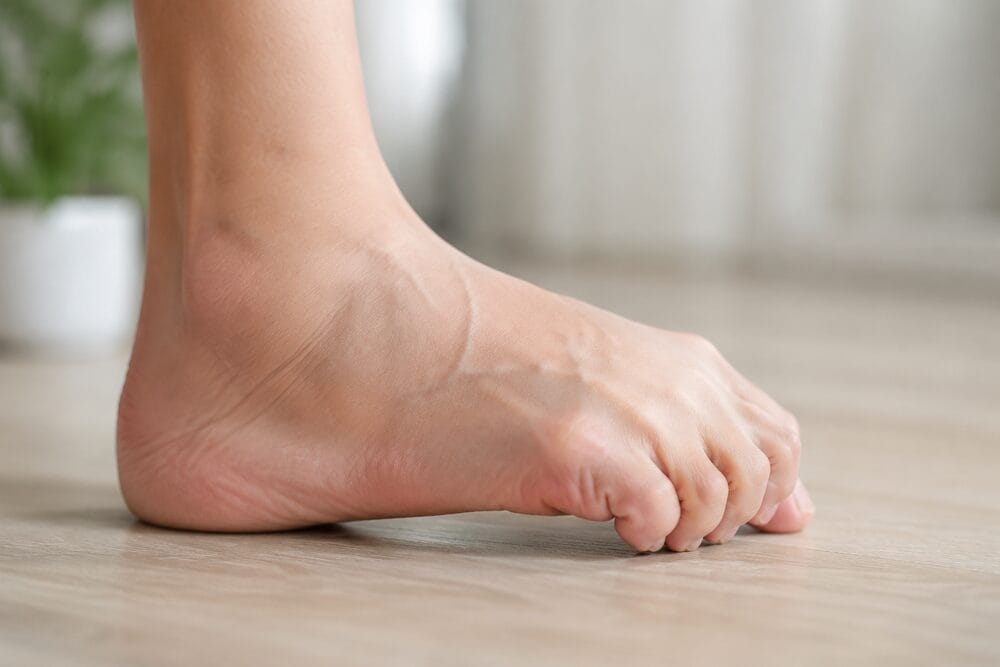
Toe curling happens when your toes bend downward and inward toward the bottom of your foot. Common causes include muscle spasms, nerve problems, dystonia, toe deformities, […]
- Payam Sarraf
- August 29, 2026
- No Comments
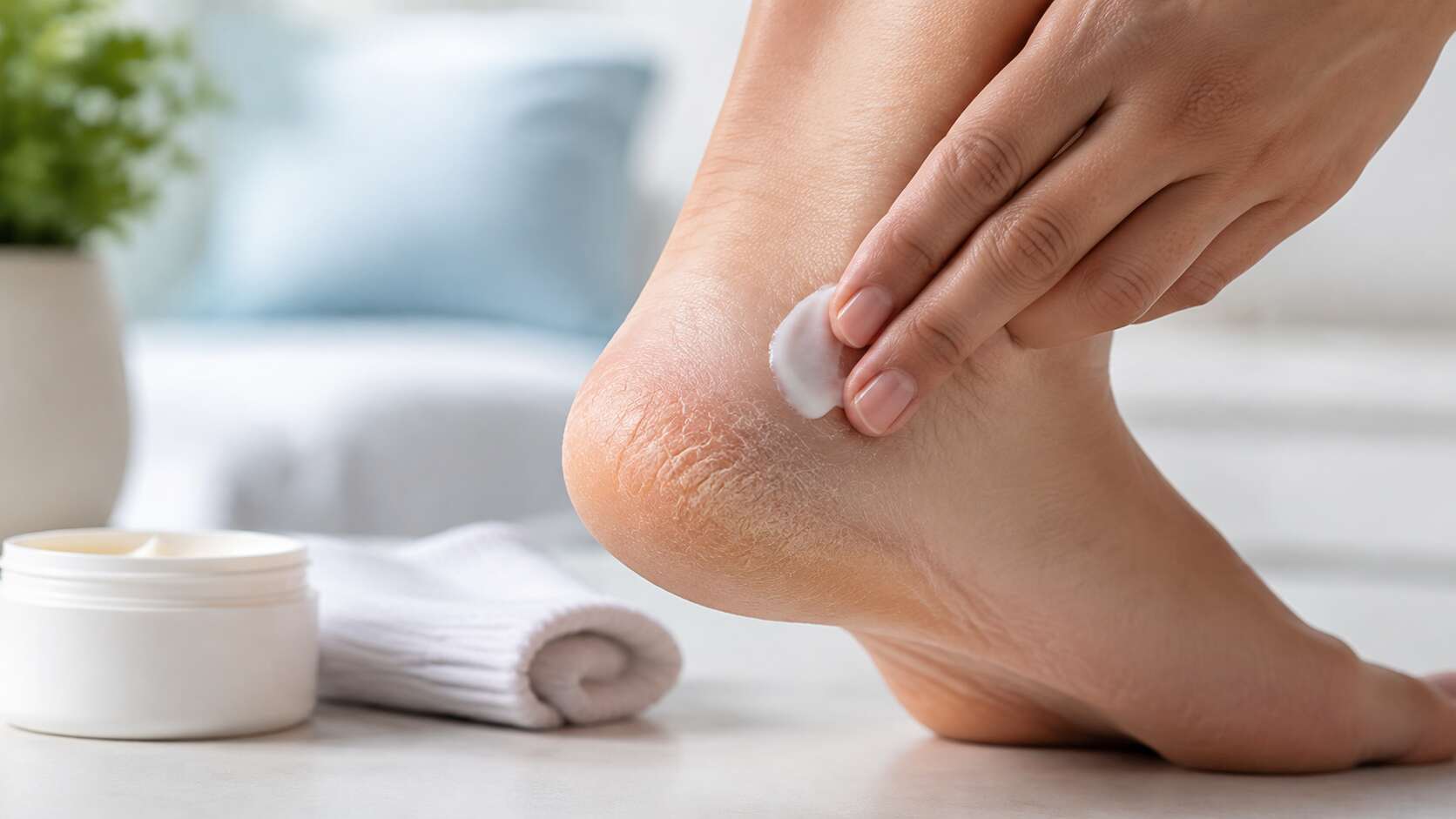
Cracked heels develop when dry, thick skin splits under pressure from standing or walking. To help them heal, soak your feet, exfoliate the dry skin, moisturize […]
- Payam Sarraf
- August 29, 2026
- No Comments
High heels can cause a forward weight shift, which puts extra pressure on your toes and the front of your feet. A narrow toe box may […]