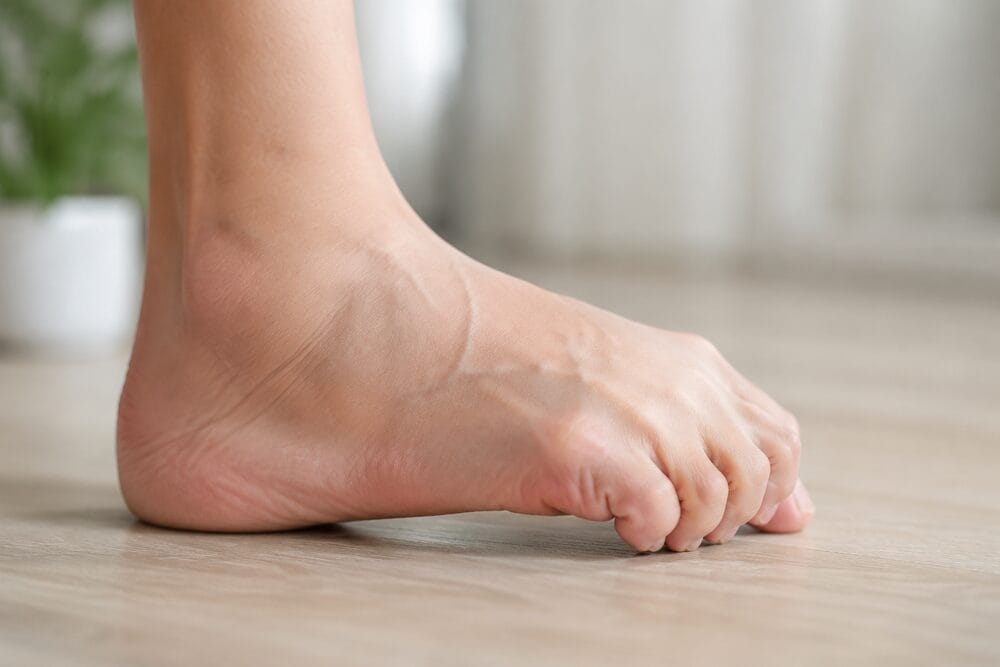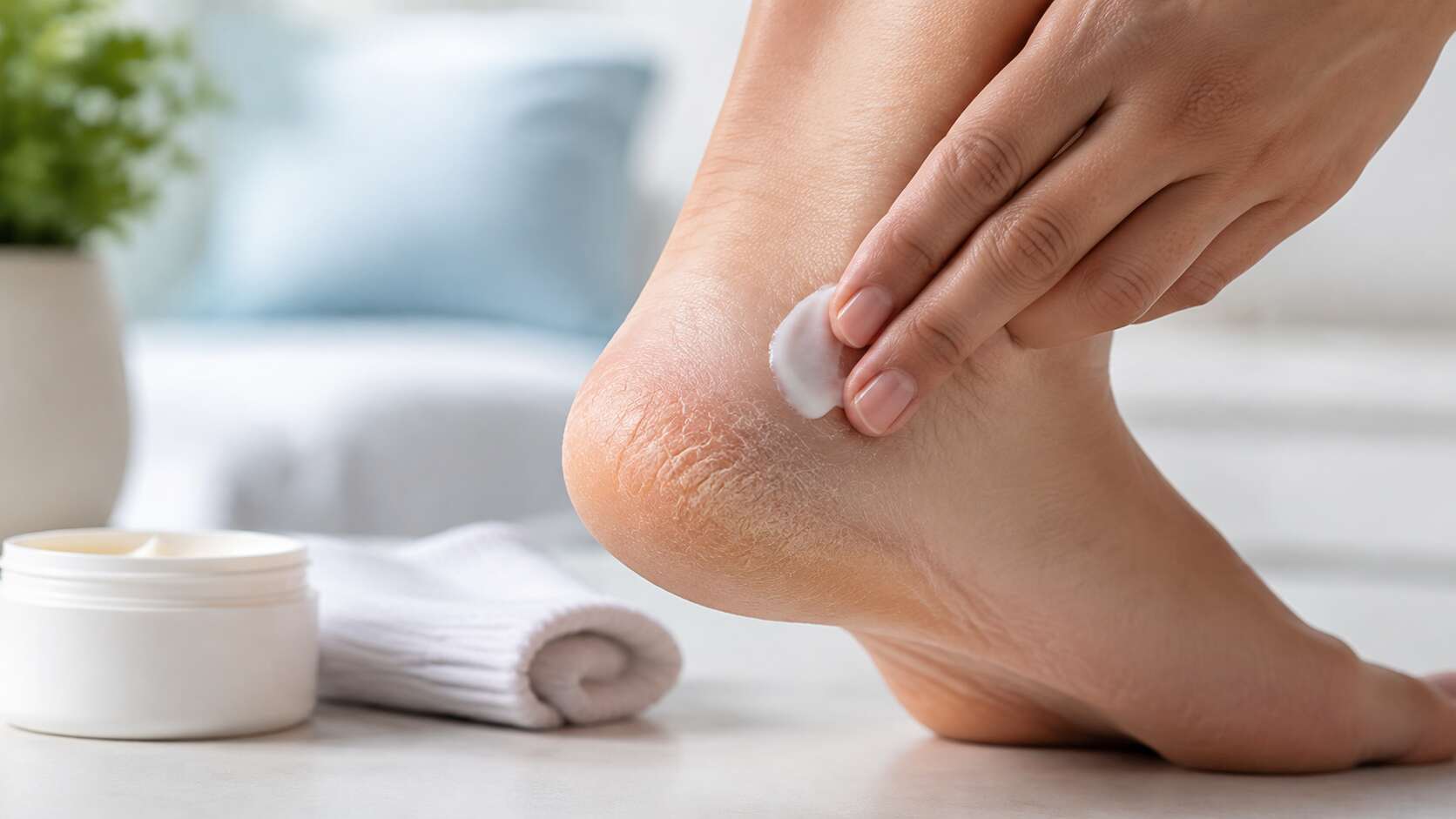

Athlete’s foot between toes is a fungal infection that causes itching, burning, redness, peeling, and cracked skin between the toes. It often develops because of sweaty feet, damp shoes, shared wet surfaces, or poor foot ventilation.
Treatment often focuses on using antifungal creams, sprays, or powders, along with simple foot care habits like keeping your feet clean and dry and changing socks and shoes regularly.
In this article, Foot + Ankle Specialty Centers explains what causes athlete’s foot between the toes, how to recognize the symptoms, and the treatments that can help clear the infection.
Table of Contents
ToggleWhat Are the Symptoms of Athlete’s Foot Between Toes?
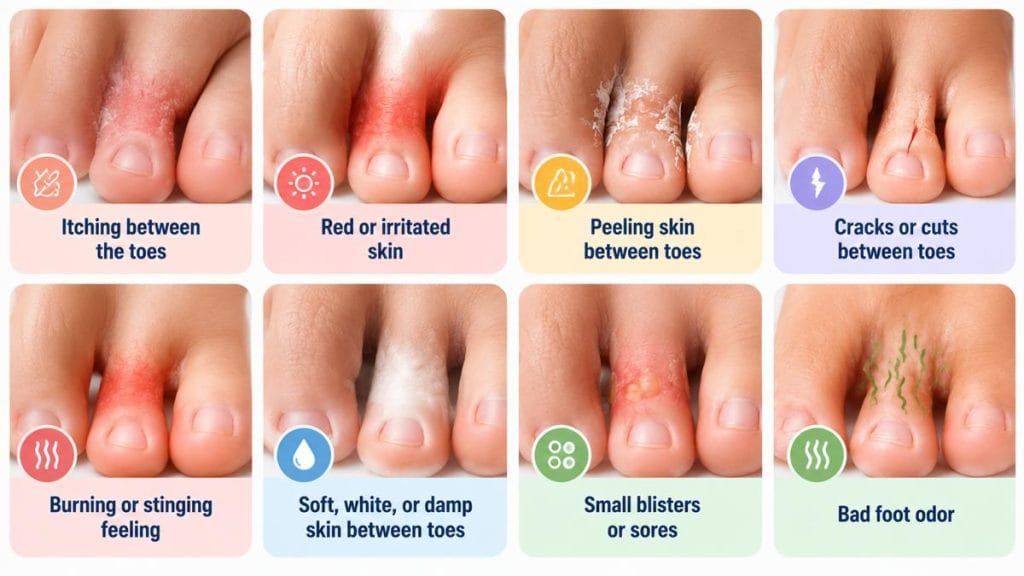
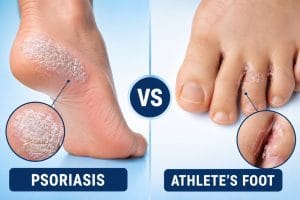
Athlete’s foot between the toes can cause different skin changes and discomfort. Here are the common symptoms of athlete’s foot between the toes:
Symptom | What It May Feel or Look Like |
Itching between the toes | You may feel itchy between toes, especially after wearing shoes for a long time. |
Red or irritated skin | The area between the toes may look red, blisters or sores, or inflamed. |
Peeling skin between toes | The skin may become dry, flaky, or peel away. |
Cracks or cuts between toes | Small splits in the skin may appear and can cause pain, stinging, or discomfort. |
Burning or stinging feeling | The affected area may burn or hurt, especially when walking. |
Soft, white, or damp skin between toes | The skin may become pale, moist, and softened because of trapped moisture. |
Small blisters or sores | Some people may develop small fluid-filled blisters or open areas on the skin. |
Bad foot odor | Fungal growth and trapped moisture may cause an unpleasant smell. |
Athlete’s foot can also cause cut between toes. These cuts in between toes are usually small cracks or splits in the skin, also called fissures. The fungus can weaken the outer layer of the skin, which can make it dry, irritated, and more likely to break. Moisture between the toes can worsen these cracks between toes and may cause pain when walking.
Note: Athlete’s foot between toes may sometimes cause small fluid-filled blisters. However, open sores are not a common defining symptom of athlete’s foot. If the skin becomes open, painful, or develops signs of infection, such as increasing redness, swelling, warmth, or drainage, it may need medical evaluation.
What Causes Athlete’s Foot Between Toes?
Athlete’s foot between the toes occurs when fungi grow on the skin, especially in warm and damp areas. According to the Mayo Clinic’s Athlete’s Foot guide, moisture, poor foot ventilation, and contact with contaminated surfaces can increase the risk of infection.
This table shows the most common causes of Athlete’s foot between toes:
Cause or Risk Factor | How It Can Lead to Athlete’s Foot |
Tight shoes and socks | They can trap heat and moisture, creating an environment where fungi can grow. |
Sweaty feet | Excess sweat can leave the skin between your toes damp, which helps fungi multiply. |
Walking barefoot in shared wet areas | Places like swimming pools, locker rooms, and gym showers may expose your feet to fungi. |
Not drying your feet well | Moisture left between your toes after washing can increase the chance of fungal growth. |
Sharing personal items | Towels, shoes, or socks from someone with athlete’s foot may spread the infection. |
Certain health conditions | Diabetes or a weakened immune system may make some people more likely to develop infections. |
If you have diabetes, foot itching can sometimes be linked to dryness, skin irritation, or infections like athlete’s foot. Learn more about how to stop diabetic feet from itching and what steps can help keep your feet healthy.
How to Treat Athlete’s Foot Between the Toes?
Athlete’s foot between the toes usually improves with antifungal treatment and good foot care. According to the Mayo Clinic and the American Academy of Dermatology (AAD), antifungal medicines are the main treatment because they target the fungus that causes the infection.
Here are the most common Athlete’s foot treatment options. Read on to learn how to get rid of fungus between toes.
Antifungal Creams, Sprays, and Ointments
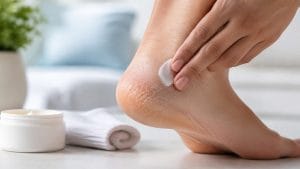
Over-the-counter antifungal medicines are often the first treatment for athlete’s foot between the toes. These products help kill the fungus and can reduce symptoms like itching, burning, and peeling.
Common antifungal ingredients include:
- Terbinafine
- Clotrimazole
- Miconazole
Apply the medicine to the affected skin as directed on the product label. Many treatments need to continue for several days or weeks, even after symptoms improve, to help prevent the infection from coming back.
Prescription Antifungal Medicines
Some cases of athlete’s foot do not improve with over-the-counter treatments. A healthcare provider may prescribe stronger antifungal creams or oral antifungal medicines. Prescription treatment may help when:
- The infection covers a large area of the foot.
- Symptoms continue after proper use of over-the-counter medicine.
- The infection keeps coming back.
Oral antifungal medicines can treat infections that are more difficult to clear, but they may require medical supervision because some medicines can have side effects or drug interactions.
Antifungal Powders
Antifungal powders can help control moisture and reduce fungal growth. They are often useful for people with sweaty feet or for preventing athlete’s foot from returning after treatment.
You can apply antifungal powder to your feet and inside your shoes as directed. Keeping your shoes dry can reduce the chance that the fungus will grow again.
Foot Care and Moisture Control
Keeping the area between your toes dry is an important part of treatment. Moist environments help fungus grow, so simple foot care can support recovery. In the following sections we tell you simple steps for foot care and moisture control.
5. Vinegar Soaks (Limited Evidence)
Some people use vinegar foot soaks as a home remedy for athlete’s foot. Vinegar creates an acidic environment that may slow fungal growth, but there is limited scientific evidence that vinegar alone can cure athlete’s foot.
If you try a vinegar soak, it should not replace proven antifungal treatments. Stop if it causes skin irritation or discomfort.
How to Prevent Athlete’s Foot Between Toes?
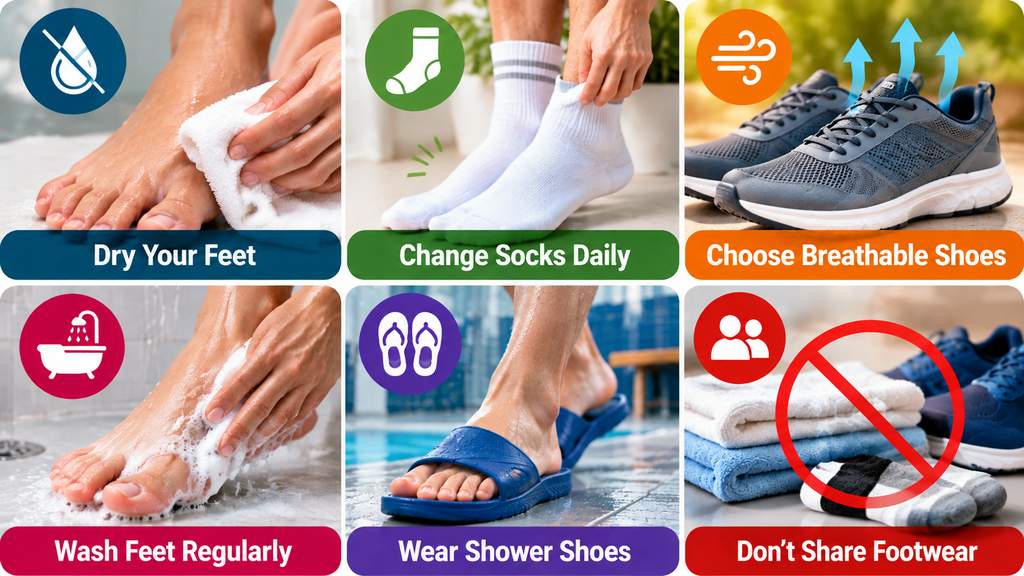
According to trusted sources such as the American Academy of Dermatology (AAD), the American Podiatric Medical Association (APMA), and the Mayo Clinic, keeping your feet dry, clean, and protected can help prevent athlete’s foot. Here are some simple steps you can follow:
- Dry your feet well after washing, especially the area between your toes. (AAD)
- Wear clean socks every day and change them if they become wet or sweaty.( APMA)
- Choose shoes that allow air to reach your feet and avoid wearing damp shoes. (mayoclinic)
- Wash your feet regularly and keep the skin between your toes clean and dry. (mayoclinic)
- Wear shower shoes or sandals in places like pools, gyms, and locker rooms. (AAD)
- Do not share towels, socks, or shoes because they can spread the fungus. (AAD)
Cleaning items and surfaces that may come in contact with infected feet can also help reduce the spread of fungus. Learn more about Does Lysol Kill Athlete’s Foot Fungus? and what cleaning methods may help remove fungus from common surfaces.
When to See a Podiatrist for Athlete’s Foot Between Toes?
See a healthcare provider if your symptoms do not improve after using antifungal treatment, if the infection spreads, or if you have diabetes, poor circulation, or a weakened immune system. These conditions can increase the risk of foot infections and may require medical care.
Not every foot problem is caused by a fungal infection. If you notice thickened skin, painful areas, or bumps on your feet, learn more about the difference between corn, callus, and bunion and how these common foot conditions can affect your feet.
If your symptoms do not improve or you need professional care, contact Foot & Ankle Specialty Centers. With over 1,000 reviews, our team can help you find the right treatment for your foot condition. Call us today at 480-812-3668 to schedule an appointment.
Conclusion
Athlete’s foot between toes is a common fungal infection that affects the skin between the toes. It can cause itching, redness, peeling, burning, and cracks in the skin. Using the right athlete’s foot between toes treatment can help reduce symptoms, clear the infection, and protect the skin from further irritation.
FAQs
Athlete’s foot between toes looks like red, peeling skin between toes, cracked, or moist white skin with itching, irritation, and possible small blisters.
Itching between the toes is often caused by a fungal infection known as athlete’s foot.
Some people try natural remedies like vinegar foot soaks or tea tree oil for athlete’s foot between the toes. However, these methods are not proven or confirmed treatments and there is limited scientific evidence that they can clear the infection.
Yes, athlete’s foot can spread to areas like the hands or groin. It can happen when you touch infected skin and then touch another part of your body without washing your hands.
It is highly contagious. You can get it by touching contaminated surfaces.