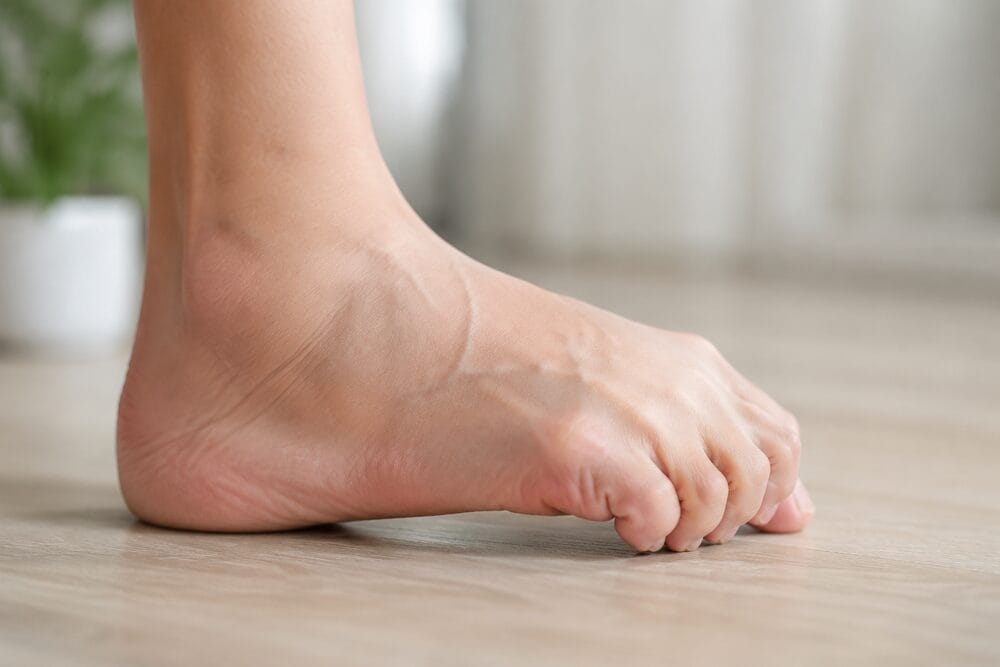
Many parents feel worried when their child’s feet turn inward while walking. This is called intoeing in children. It often starts when a child learns to walk and shows more during play. Most kids do not feel pain, and the condition usually improves with age. This guide explains the causes, treatments, and home care to help Phoenix families understand what to do.
Table of Contents
ToggleWhat Is Intoeing in Kids?
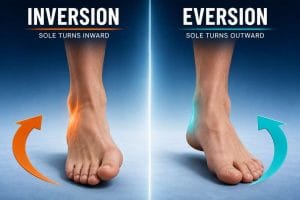
Intoeing happens when a child’s feet turn inward instead of pointing straight while walking or running. Many people call it pigeon-toed. It is common in young children and often goes away as they grow. It can affect one or both feet and may look more noticeable when the child is tired. Parents often see it when their child starts walking or running.
Common Causes of Intoeing in Children
Pediatric foot doctors in Phoenix, AZ, look at where the inward turning begins because the cause can come from the foot, the lower leg, or the upper leg. Each area affects how the child walks and moves. Knowing the exact cause helps decide if the child needs treatment or just time to grow. Below are the main causes of intoeing in children.
Cause | Explanation |
Curved Feet | The front of the foot turns in; seen in babies. |
Twisted Shin Bone | The lower leg turns in; common in toddlers. |
Twisted Thigh Bone | The upper leg turns in; seen in kids 3 to 8 years old. |
Weak Muscles | Leg muscles are not strong enough to hold straight. |
Family Traits | Other family members had the same walking style. |
Tight Space Before Birth | Baby’s legs or feet were bent inside the womb. |
Effective Treatments for Intoeing in Children
Most cases of intoeing in children do not need medical treatment. As children grow, their legs often straighten on their own. In many cases, simple observation is all that’s needed. At Foot and Ankle Specialty Centers, our board-certified podiatrist, Dr. Payam Sarraf, carefully checks each child’s walking pattern and growth over time.
We help parents understand what’s normal and guide them through each step with care and experience. Below are the most common treatments we may recommend if needed.
Physical therapy support
Some children benefit from exercises that improve strength, balance, and coordination. Strong hip and leg muscles help guide the legs into a better position during walking and running. These exercises can also reduce tripping and help the child feel more steady. A physical therapist can teach the right movements for your child’s age and needs.
Night Splints and Braces
Night splints or braces are sometimes used to help with intoeing in children, but only in certain cases. These devices hold the feet or legs in a straighter position while the child sleeps. They are soft, adjustable, and made to fit the child’s body. Doctors may recommend them if the feet are very curved or if the intoeing does not get better with time. Most children do not need them, but they can help in rare situations.
Surgery
Doctors consider surgery only if the condition remains severe after age eight to ten and affects daily activities or sports. This situation is uncommon, and most children improve without surgery. Surgery may involve straightening the bones in the legs to improve alignment. It is only done when other treatments do not help and the problem continues to limit movement.
Home Exercises That Can Help With Mild Intoeing
Some children with mild intoeing can improve with fun movements at home. These activities help build strength, balance, and better walking control. Here are simple exercises that may help:
Walk with toes pointed slightly outward during play.
Do side-stepping games to build hip strength and balance.
Try frog jumps to strengthen legs and improve coordination.
Stand on one foot for a few seconds to build balance and body control.
These exercises can gently improve mild intoeing when done regularly at home. At Foot and Ankle Specialty Centers, we teach parents simple, effective movements to support their child’s walking at home. With over 1,000 Google reviews, families across Arizona trust us to provide expert care and clear guidance every step of the way.
Final Thoughts
Most cases of intoeing in children improve naturally as the body grows and strengthens. The condition rarely causes long‑term problems, but parents should pay attention to walking patterns, balance, and comfort. Early evaluation provides reassurance and helps identify any unusual concerns. If the inward walking becomes severe, causes pain, or does not improve with age, a good foot specialist in Phoenix can provide expert care and guidance for families.
FAQs
Does intoeing affect how well my child can run or walk?
Mild intoeing usually does not limit walking or running, although some children may trip more often at a young age.
What can I do if my child is intoeing?
Parents can support healthy movement with balance activities, active play, and proper footwear.
Will anything make the intoeing go away faster?
Growth and development correct most cases, and special shoes or braces do not speed the process.
What if my child does not grow out of this?
A specialist can evaluate bone alignment and recommend therapy or other treatment if the condition continues.