High arches in children, also called cavus foot, can affect how a child walks, runs, and plays. While some kids have naturally higher arches, others may develop this condition due to muscle or nerve issues. If you leave it untreated, high arches can lead to instability, foot pain, and even injuries. So, parents often search for the best treatment for high arches in children to prevent pain and long-term problems.
Join Foot + Ankle Specialty Centers (rated 4.9-star on Google) in Phoenix to learn the right treatment for cavus feet in children to help your kids stay active and comfortable.
Table of Contents
ToggleWhat is Arch Height in Children?
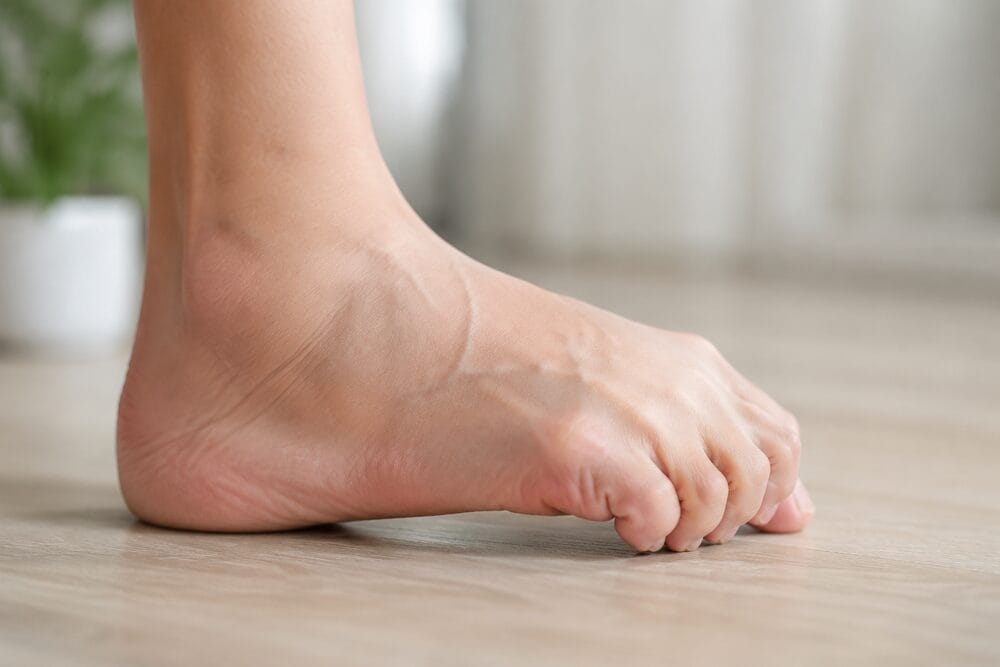
Arch height refers to the curve along the inside of the foot. In children, this arch helps absorb shock and balance body weight during movement.
When a child has high arches, the foot does not flatten enough during walking. This places more pressure on the heel and the ball of the foot. Over time, this can affect posture, balance, and walking patterns.
Causes of High Arches in Children
- Genetic factors (family history of high arches)
- Neurological conditions such as Charcot-Marie-Tooth disease
- Muscle imbalances in the foot and ankle
- Spinal cord conditions
- Past injuries affecting foot structure
If you do not see early treatment for high arches in children, this can lead to:
- Foot pain and fatigue
- Frequent ankle sprains
- Poor balance and instability
- Calluses due to uneven pressure
- Difficulty finding comfortable shoes
Does My Child Have High Arches?
Children with high arch foot problems may not always complain of pain, but there are clear signs parents can watch for. Common high arch feet symptoms include:
- Walking on the outer edges of the feet
- Frequent ankle sprains or instability
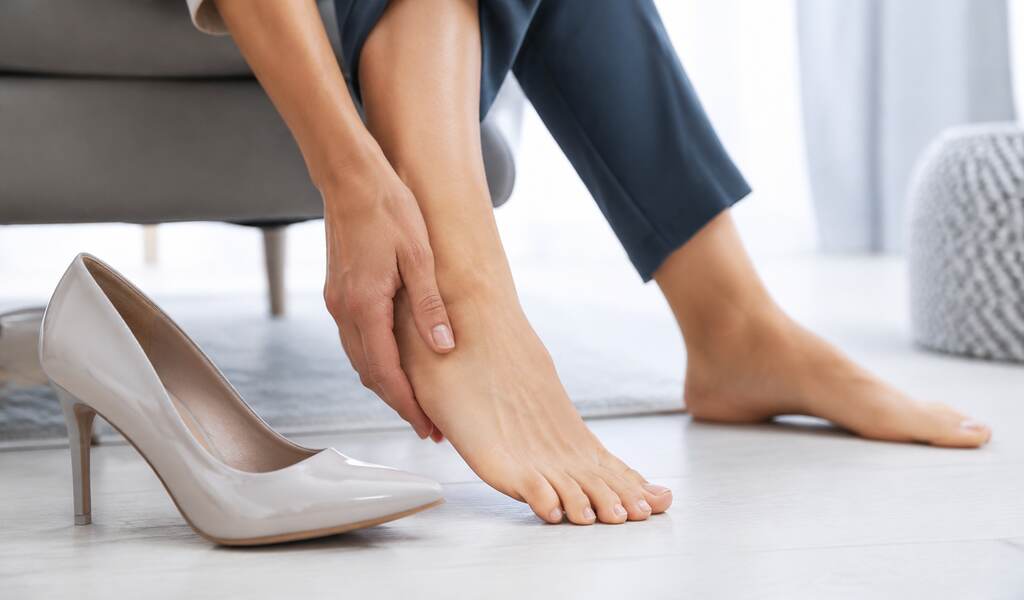
- Foot pain after activity
- Toes that appear clawed or curled
- Difficulty fitting into regular shoes
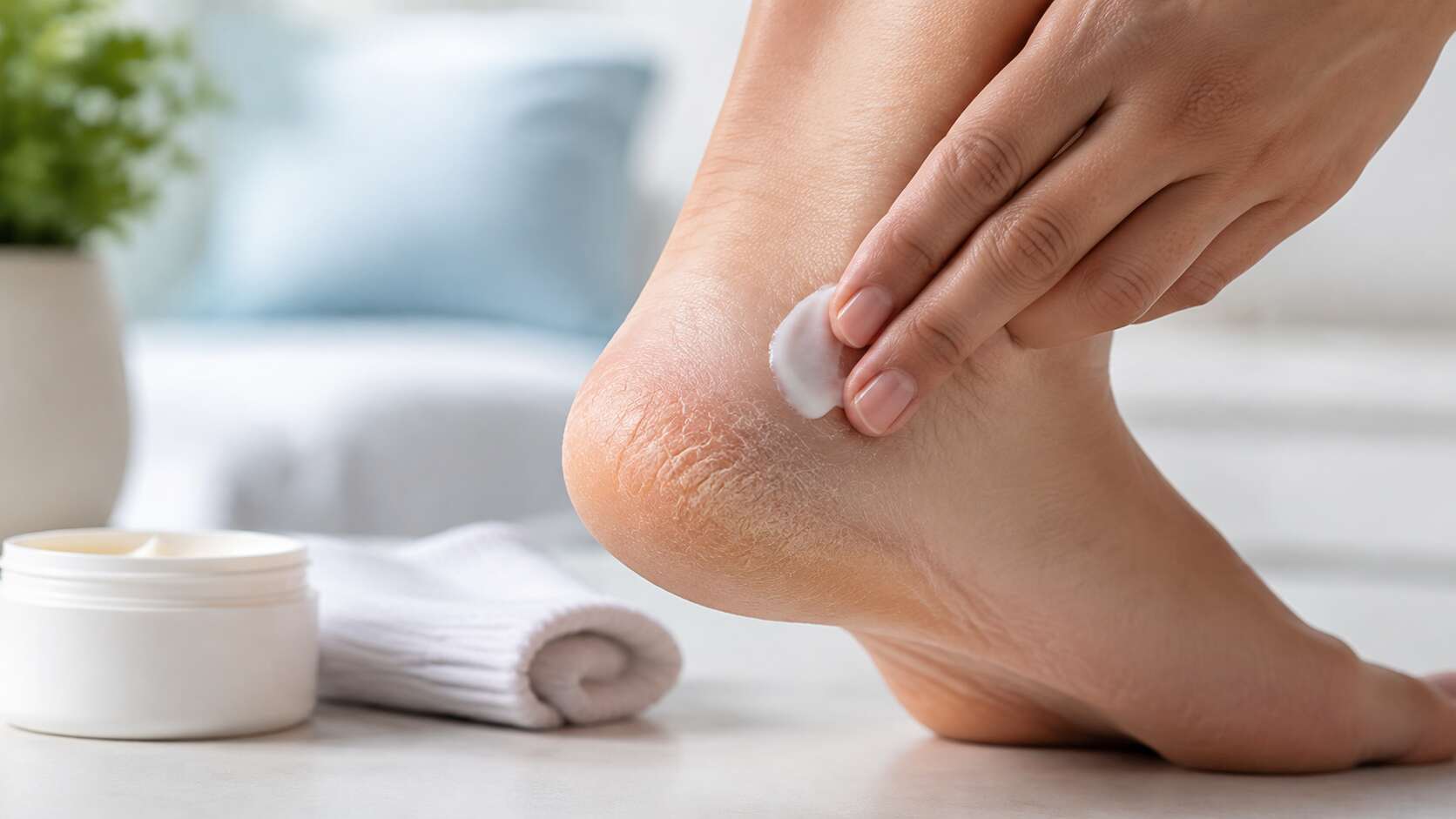
- Calluses, especially on the heel or ball of the foot
If you notice these signs, it is important to seek care early. Proper treatment for high arches in children can prevent worsening symptoms.
Conservative, Non-Surgical Treatment for High Arches in Children
Most cases can be managed without surgery. The goal of a pediatric podiatrist in Phoenix is to improve foot function, reduce pain, and prevent injury.
Custom Orthotics
Custom orthotics are designed to support the arch and redistribute pressure across the foot. By improving alignment, they reduce strain on the heel and forefoot and help your child walk more comfortably.
Physical Therapy
Physical therapy focuses on strengthening weak muscles and improving flexibility. Stretching tight tendons and building ankle strength can improve your child’s balance and reduce the risk of injury.
Activity Modification
Limiting high-impact activities may be necessary in some cases. Adjusting activity levels helps prevent pain and protects the foot while it develops.
Supportive Footwear
Proper shoes play a key role in treatment for high arches in children. Shoes with cushioning and strong arch support help absorb shock and improve stability during daily activities.
Bracing (If Needed)
In more severe cases, braces may be used to stabilize the foot and ankle. This added support can improve walking patterns and reduce strain.
When to Consider Surgery
Surgery is not common, but it may be needed in certain cases. You should consider surgery if:
- Pain is severe and does not improve with treatment
- The foot becomes rigid or stiff
- There is a progressive deformity
- Neurological conditions are involved
- Walking becomes difficult or unstable
When surgery is required, the goal is to correct the structure of the foot. This may involve adjusting bones, tendons, or ligaments to improve alignment and function. While surgery can be effective, it is usually considered only after conservative treatment for high arches in children has not worked.
High Arches Diagnosis and Monitoring
A Phoenix podiatrist diagnoses high arches through a detailed evaluation. This includes:
- Physical examination of the foot and walking pattern
- Checking muscle strength and flexibility
- Reviewing medical and family history
- Imaging, such as X-rays, if needed
Ongoing monitoring is important, especially as children grow. Regular check-ups ensure that the chosen treatment for high arches in children continues to work effectively.
Daily Life and Home Care Tips for Children with Cavus Foot
- Encourage wearing supportive shoes at all times.
- Avoid walking barefoot on hard surfaces.
- Use prescribed orthotics consistently.
- Stretch feet and calves regularly.
- Monitor for pain or changes in walking.
- Maintain a healthy activity level without overloading the foot.
Help Your Child Stay Active and Pain-Free
High arches do not have to limit your child’s lifestyle. With the right treatment for high arches in children, most kids can stay active, comfortable, and confident.
At Foot + Ankle Specialty Centers, Dr. Payam Sarraf, DPM, and our team of board-certified podiatrists specialize in pediatric foot conditions, including cavus foot. We provide accurate diagnoses and personalized treatment plans designed for growing feet.
We have five convenient Valley locations in Phoenix, Scottsdale, Chandler, Mesa, and Gilbert, with same-day and next-day appointments available.
Do not wait for symptoms to worsen. Call us today at 480-812-3668 and seek early care for better outcomes.
FAQs
Can children have high arches?
Yes, children can have high arches, often due to genetics or underlying conditions.
What is the treatment for high arches in children?
Treatment includes orthotics, supportive shoes, physical therapy, and in rare cases, surgery.
What to do if your child has high arches?
See a podiatrist for evaluation and start early treatment to prevent complications.
Can kids outgrow high arches?
No, high arches usually do not go away on their own and may require treatment.
Can you fix a cavus foot without surgery?
Yes, most cases can be managed with non-surgical treatments like orthotics and therapy.
Can my child still be active?
Yes, with proper care, most children with high arches can stay active and participate in sports.