
Will Bleach Kill Nail Fungus?
- Published by: Payam Sarraf
- on
- | Updated on September 22, 2026

Toenail fungus can be difficult to treat because the infection often grows beneath the nail. Some people try bleach for nail fungus because bleach can kill certain fungi on surfaces. However, its effectiveness on nail infections is unclear, and it may irritate the skin.
In this article, Foot + Ankle Specialty Centers explains how bleach may affect nail fungus, its possible risks, and safer treatment options.
Table of Contents
ToggleCan Bleach Kill Nail Fungus?
Bleach may kill some fungi on surfaces, but household bleach is not an established or recommended treatment for nail fungus. There is not enough clinical evidence to show that it can safely and effectively treat the infection.
According to MedlinePlus, the sodium hypochlorite in bleach can injure body tissue. Applying it to the skin or nails may cause irritation, chemical burns, or tissue damage.
Dangers of Using Bleach for Nail Fungus
Using bleach to kill nail fungus is not without serious risks. Here are some dangers to consider:
- Bleach burns, itches, and makes your toes red. It can harm the sensitive skin around your nails and easily damage it with its harsh chemicals.
- If you leave your foot in bleach for too long, it can cause chemical burns and leave painful blisters or sores on the skin.
- Bleach weakens the nail and makes it brittle and cracked. This damage gives the infection more space to spread and makes it worse.
- Breathing bleach fumes irritate your lungs and throat, especially if you use it in enclosed spaces like bathrooms.
- You may have allergic reactions to bleach. Your allergy can cause swelling, hives, or even breathing problems.
- Bleach may make the nail look better at first by whitening it, but once the surface effect wears off, the fungus can return, often worse than before.
Health Conditions That Increase the Risks of Bleach
If you have diabetes, poor circulation, nerve damage, sensitive skin, or an open wound, take extra care. You may not notice an injury right away, and your skin may heal slowly or become infected. Never apply bleach to your feet. Contact a diabetic foot care specialist for safe treatment.
What to Do Instead of Using Bleach for Nail Fungus
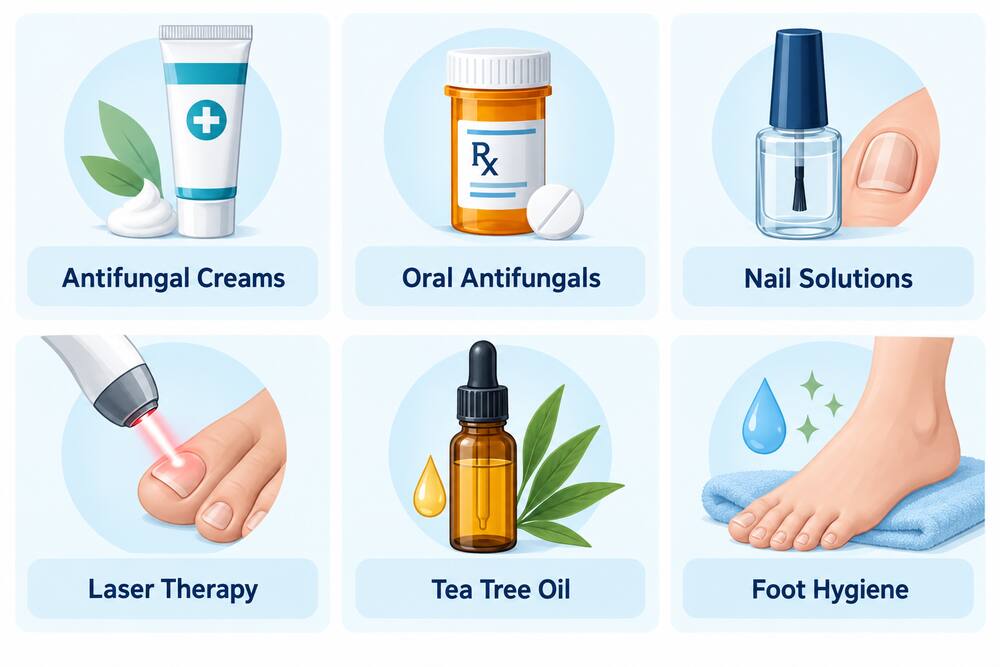
Alright. You can use bleach to kill nail fungus, but there are safer, more effective nail fungus treatments to tackle this problem. Here are some good alternatives:
Method | Can It Treat Nail Fungus? | Safety |
Antifungal creams | Usually work better for fungal skin infections than infections beneath the nail | Generally safe when used as directed |
Oral antifungal medicine | Often the most effective option for nail fungus | Requires a prescription and medical review |
Prescription nail solutions | Can treat mild or moderate nail fungus | Generally safe when used as prescribed |
Laser therapy | Results vary, and evidence is still limited | Usually has few side effects when performed professionally |
Tea tree oil | Evidence is limited | May irritate the skin or cause an allergic reaction for some people |
Foot hygiene | Helps prevent fungus from spreading but cannot usually cure the infection alone | Safe |
1. Antifungal Creams
Over-the-counter creams with clotrimazole or terbinafine can treat fungal skin infections such as athlete’s foot. However, these creams usually cannot pass through the nail well enough to treat toenail fungus. Only use a product on an infected toenail if it is specifically made for nail fungus.
2. Topical Prescription Solutions
Ciclopirox and efinaconazole are prescription treatments applied to the infected nail. According to the American Academy of Dermatology, they require daily use, and efinaconazole treatment usually lasts 48 weeks. Use these medicines only as prescribed by a qualified healthcare professional.
3. Laser Therapy
Laser therapy may temporarily improve the appearance of a nail affected by fungus, but it is not proven to kill or cure the infection. However, results vary, and the evidence is still limited. It usually has few side effects when a trained professional performs the treatment.
4. Tea Tree Oil for Nail Fungus Treatment
For a natural option, you can apply tea tree oil for nail fungus. Use a cotton swab and dab the oil on your nail. Make sure to cover the whole nail and the skin around it.
However, you need to know that tea tree oil may take longer to show results compared to medical treatments.
5. Prescription Medications
Prescription pills like terbinafine and itraconazole treat nail fungus from inside the body. According to the Mayo Clinic, adults usually take terbinafine for toenail fungus once a day for 12 weeks. Only use these medicines with a doctor’s prescription and guidance.
6. Foot Hygiene
Follow general instructions for foot hygiene:
- Keep your feet clean and dry at all times.
- Wash them daily with soap and water, then dry them completely.
- Change socks daily, and avoid tight shoes that trap moisture.
- Choose breathable shoes and flip-flops in shared spaces like gyms or pools.
Does Bleach Kill Fungus on Nail Clippers?
According to the American Academy of Dermatology, you can use diluted bleach to disinfect nail clippers. First, remove any nail pieces and wash the clippers with warm water and soap.
Mix one tablespoon of bleach with one cup of water. Soak the clippers for five minutes, then remove them and let them air-dry completely. Cleaning your clippers after each use can help prevent nail fungus from spreading to other nails.
Causes and Symptoms of Toenail Fungus
Podiatrists say common causes of toenail fungus include:
- Excess moisture from sweaty feet or wet environments
- Poor foot hygiene
- Tight shoes that trap moisture
- Walking barefoot in public places like pools and gyms
- Weakened immune system
Common symptoms include:
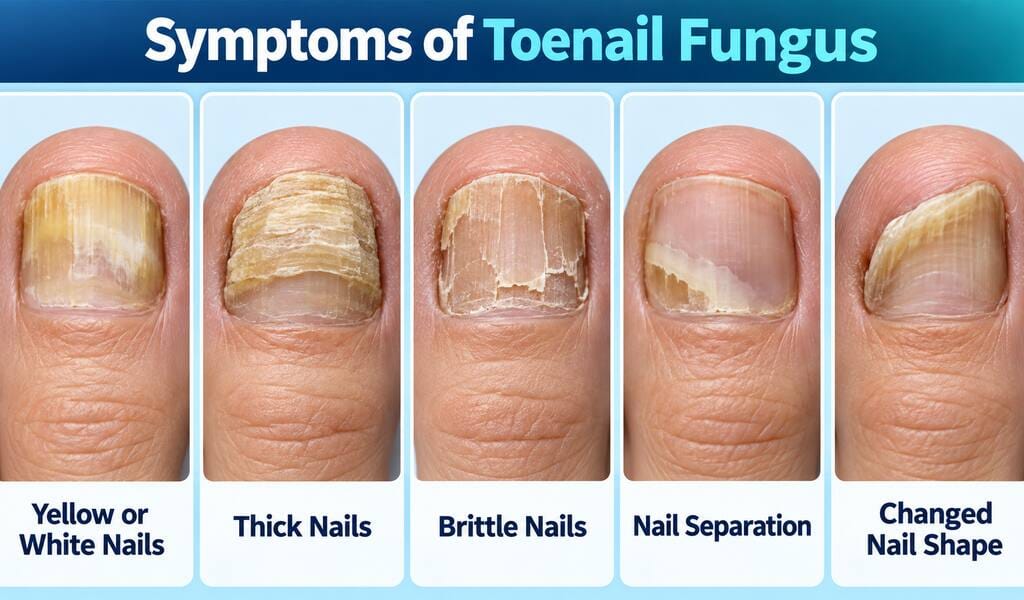
- Thickened nails
- Discoloration (yellow, white, or brown)
- Brittle or crumbly nails
- Nail lifting away from the nail bed
- Foul odor from the infected nail
These changes do not always mean you have a fungal infection. Nail injuries, psoriasis, and other conditions can cause similar symptoms. A doctor may test a nail sample to confirm the cause before recommending treatment.
What Kills Nail Fungus the Fastest?
There is no single fastest treatment for everyone. Oral terbinafine is often the most effective option for toenail fungus. According to the American Academy of Dermatology, patients usually take it daily for 12 weeks to treat toenail fungus.
However, the nail will not look normal immediately after treatment. The damaged nail must grow out, which may take a year or longer. A doctor should confirm the infection and make sure terbinafine is safe for you.
What Is the Most Effective Treatment for Nail Fungus?
Oral antifungal medication is usually the most effective treatment for toenail fungus. According to the American Academy of Family Physicians, oral treatment has higher cure rates and shorter treatment times than topical medicine.
Terbinafine for Nail Fungus Treatment
Terbinafine is often the first choice. It travels through the bloodstream and helps stop the fungus under the nail. It requires a prescription, and your doctor may check your liver before treatment.
Itraconazole; Oral Nail Fungus Treatment
Itraconazole is another prescription option. It also works inside the body to fight the fungus under the nail. Doctors may prescribe it when terbinafine is not suitable or when other medicines could interact with terbinafine.
What to Do If Bleach Gets on Your Skin
According to Poison Control, remove any clothing that has bleach on it. Rinse your skin under room-temperature running water for at least 15 minutes. You can use mild soap if bleach remains on your skin, but do not scrub. Get medical help if you have ongoing pain, redness, swelling, or blisters.
Is Soaking Your Feet in Bleach Safe?
No, you should not soak your feet in household bleach. Bleach can irritate your skin and may cause pain, redness, dryness, or chemical burns. The risk is higher if you have cuts, open wounds, diabetes, poor circulation, or nerve damage. Bleach can cause burns and tissue damage. Use a treatment made for your foot condition instead.
Conclusion
Bleach is not a safe or effective treatment for nail fungus. Safer options include prescription antifungal medications and laser therapy, although laser results can vary. Talk to our foot care professionals before starting treatment, and avoid harmful home remedies that may damage your skin or nails.
Get trusted care from Dr. Payam Sarraf, DPM, and the experienced team at Foot + Ankle Specialty Centers, backed by more than 1,000 patient reviews. We can examine your nails and recommend a safe treatment based on your condition. Call 480-812-3668 or make an appointment online today.
FAQs
How to Treat Toenail Fungus?
Instead of trying bleach for toenail fungus, talk to a podiatrist about proven options, such as prescription antifungal pills or nail solutions.
What Kills Toenail Fungus?
While bleach kills fungus on some surfaces, toenail infections usually require antifungal medicine that can reach the fungus under the nail.
Can You Put Bleach on Toenail Fungus?
No. Soaking your feet in bleach can irritate or burn your skin and is not a proven treatment for toenail fungus.
Does Clorox Kill Toenail Fungus?
Clorox can disinfect certain surfaces, but a bleach foot soak for toenail fungus is not safe or recommended.
Can Bleach Kill Nail Fungus on Feet?
Bleach may kill some fungi on surfaces, but it is not a safe or proven way to treat fungus under a toenail.
Is it safe to put bleach on toenail fungus?
No, bleach is not safe. It can cause skin irritation, burns, and nail damage.
Does hydrogen peroxide really kill nail fungus?
Hydrogen peroxide can kill surface-level fungi but is not as effective as prescription treatments for nail fungus.
Will vinegar kill nail fungus?
Will vinegar kill nail fungus?
Vinegar has mild antifungal properties, but it is not a reliable or fast solution for treating toenail fungus. Stronger treatments are often needed.
- 7

Payam Sarraf
Payam Sarraf, DPM, is a podiatry specialist and surgeon at Foot + Ankle Specialty Centers, with offices in Gilbert, Scottsdale, Chandler, and Phoenix, Arizona. Dr. Sarraf’s areas of expertise include ankle trauma, Achilles tendon ruptures, podopediatrics, ankle arthroscopy and reconstruction and biomechanics.
Related posts
- Payam Sarraf
- September 3, 2026
- No Comments
Toe curling happens when your toes bend downward and inward toward the bottom of your foot. Common causes include muscle spasms, nerve problems, dystonia, toe deformities, […]
- Payam Sarraf
- August 29, 2026
- No Comments
Cracked heels develop when dry, thick skin splits under pressure from standing or walking. To help them heal, soak your feet, exfoliate the dry skin, moisturize […]

- Payam Sarraf
- August 29, 2026
- No Comments
High heels can cause a forward weight shift, which puts extra pressure on your toes and the front of your feet. A narrow toe box may […]