

Tea Tree Oil for Nail Fungus: Does It Really Work?
- Published by: Payam Sarraf
- on
- | Updated on September 16, 2026
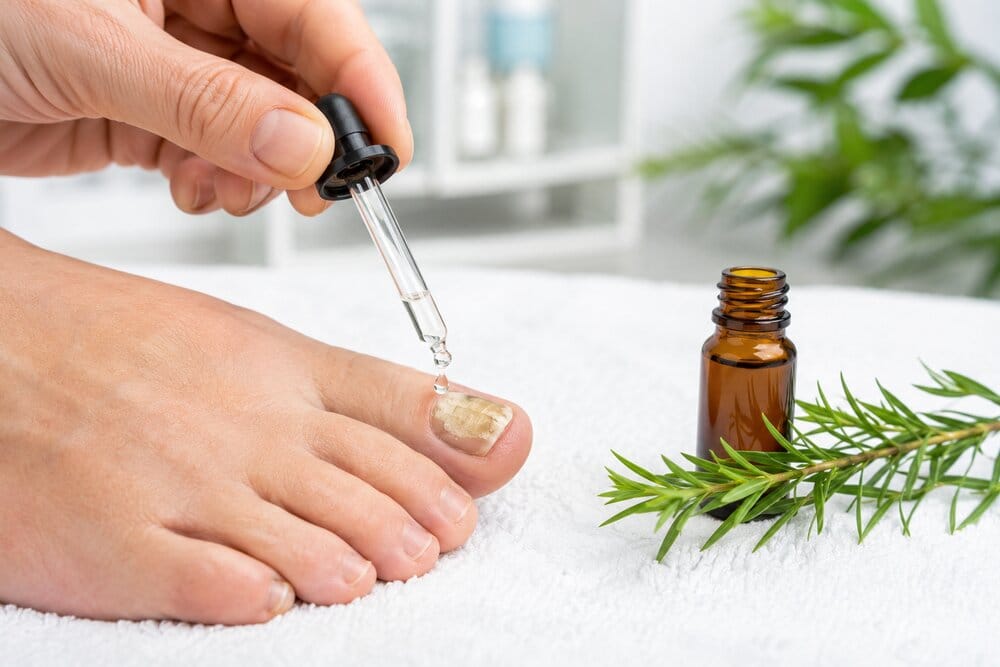
If your toenail has turned thick, yellow, or a little crumbly, tea tree oil might help, but let’s be honest about what it can and can’t do for nail fungus. It has antifungal properties, but reliable evidence for curing toenail fungus is limited.
For infections that are further along, it tends to work better as a helper alongside care from a foot doctor, not as a stand-alone fix. In this guide, Foot + Ankle Specialty Centers explains how tea tree oil for nail fungus works, how to use it safely, and when it’s time to see a podiatrist instead.
Table of Contents
ToggleDoes Tea Tree Oil Kill Nail Fungus?
Tea tree oil contains natural compounds that can fight some fungi in lab tests. However, NCBI Bookshelf says researchers still lack strong studies showing that it can clear toenail fungus. The nail may look clearer or smoother, but this change does not prove that the fungus has gone. Toenails also grow slowly, so results can take months to appear.
See a podiatrist if tea tree oil for nail fungus does not help or if the nail becomes thicker, painful, or darker. A podiatrist can test the nail, confirm the cause, and recommend the right treatment.
Is It Really Nail Fungus?
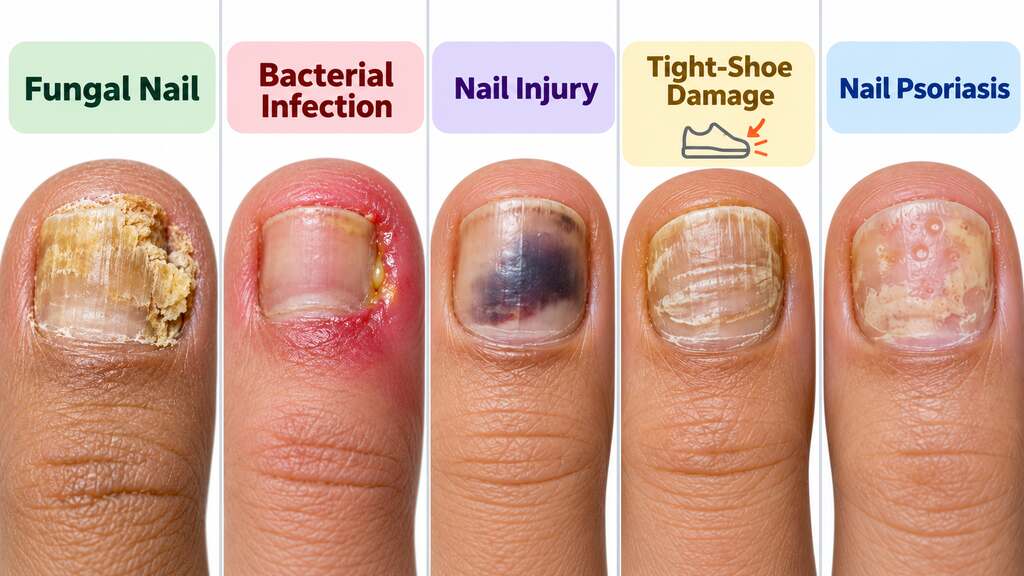
A thick, yellow, or crumbly nail does not always mean you have nail fungus. An injury, tight shoes, psoriasis, and other skin or nail conditions can cause similar changes. A podiatrist can examine your nail and look for the cause. They may also take a small nail sample for testing. This test can confirm a fungal infection and help your podiatrist choose the right nail fungus treatment.
How to Use Tea Tree Oil for Nail Fungus
Getting your nail ready may help you apply the oil more safely. Follow these simple steps:
- Mix with a carrier oil, such as coconut or olive oil.
- Apply a small amount to one spot on your skin. Wait 24 hours to check for redness, itching, or burning.
- Wash your feet with soap and water. Dry them well, especially between the toes.
- Trim the nail carefully. Do not cut into the skin or pull off damaged parts.
- Apply a small amount of the diluted oil to the nail and the skin around it.
- Follow the product label for how often to use it. Research has not confirmed a standard schedule for tea tree oil and toenail fungus.
Wear clean, breathable shoes and change your socks daily to help keep your feet dry. Some people use Lysol for nail fungus in their shoes, but it should never be sprayed directly on the feet or nails.
How to Dilute Tea Tree Oil for Nail Fungus
Straight oil is strong, and it can irritate sensitive skin. Mixing it with a carrier oil softens that effect without losing the benefit. Here are a few easy ways to dilute it.
- Mix one to two drops of oil with a teaspoon of coconut oil.
- Use olive oil as a carrier if your skin tends to run dry.
- Add aloe vera gel for a cooling, calming feel if your skin is already a bit irritated.
- Mix it with water as a backup option if no carrier oil is available.
Skipping the dilution step raises your odds of irritation, so if your skin tends to react to things, start diluted and see how it goes.
Stop using the tea tree oil for toenail fungus if it causes redness, itching, pain, or burning. Contact a healthcare provider if the irritation does not improve.
Choosing a Quality Tea Tree Oil
Read the label carefully before you buy it. Look for these details:
- The label lists Melaleuca alternifolia as the plant source.
- The package uses a dark bottle to protect the oil from light.
- The label clearly lists all ingredients.
- The bottle shows an expiration date or best-use date.
- A reputable manufacturer makes the product.
A higher amount of terpinen-4-ol does not guarantee better results. Choose a product made for skin use, follow the label, and dilute it before applying tea tree oil nail fungus treatment.
When Should You Avoid Tea Tree Oil for Toenail Fungus?
Do not use it if you do not know whether onychomycosis (nail fungus) caused the nail changes. Avoid this oil or speak with a healthcare provider first if:
- You have an allergy to it or similar essential oils.
- You have eczema, very sensitive skin, or frequent skin reactions.
- The skin around your nail has cuts, cracks, sores, or open wounds.
- The toe looks red, warm, swollen, or painful. (These symptoms may be also a sign of infection after toenail surgery or another nail injury.)
- You notice pus, drainage, bleeding, or a bad smell.
- The nail has become dark, thick, loose, or separated from the skin.
- Several nails have changed.
- You have diabetes, poor circulation, nerve damage, or a weak immune system.
- You are pregnant, breastfeeding, or plan to use it on a child. Ask a healthcare provider first.
- You take medicines or use other skin treatments. Ask about possible reactions before combining products.
The National Center for Complementary and Integrative Health explains that tea tree oil can irritate the skin and that researchers lack enough good evidence to confirm that it treats toenail fungus. See a podiatrist if the nail gets worse or you remain unsure about the cause.
How Long Does Toenail Fungus Take to Improve?
Toenails grow slowly, so changes take time. Look for clear, healthy nail growth at the base of the nail. The damaged part will move forward as the new nail grows. A big toenail may take 12 to 18 months to grow back fully. The nail may look damaged during this time, even if the treatment helps. Schedule a podiatry visit if pain develops, the nail keeps getting worse, or healthy nail does not start growing at the base.
Other Nail Fungus Treatments
If this oil is not working well enough on its own, a foot doctor has other options depending on how far things have progressed. Here are the treatments most commonly used:
Treatment | Details |
Over-the-counter treatments | Creams and lacquers slow the fungus down, but take several months to work. |
Prescription medication | Clears the infection faster and stronger, may cause an upset stomach. |
Laser treatment | Targets and weakens the fungus for tougher cases, costly and rarely covered. |
Nail removal | Clears the way for a healthy new nail in severe cases. |
Tea Tree Oil Safety and Side Effects
Tea tree oil can irritate your skin, especially when you use it without diluting it. Do not apply it to cracked, open, or bleeding skin. The oil can irritate the wound, cause burning, and slow the healing process. Wait until the skin heals before using it around the nail. Follow these safety tips:
- Do not swallow the oil.
- Keep it away from your eyes and mouth.
- Do not apply it to broken, cracked, or bleeding skin.
- Dilute it with a carrier oil before applying it.
- Test it on a small area of skin and wait 24 hours.
- Stop using it if you notice redness, itching, burning, dryness, pain, or swelling.
When to Seek Help
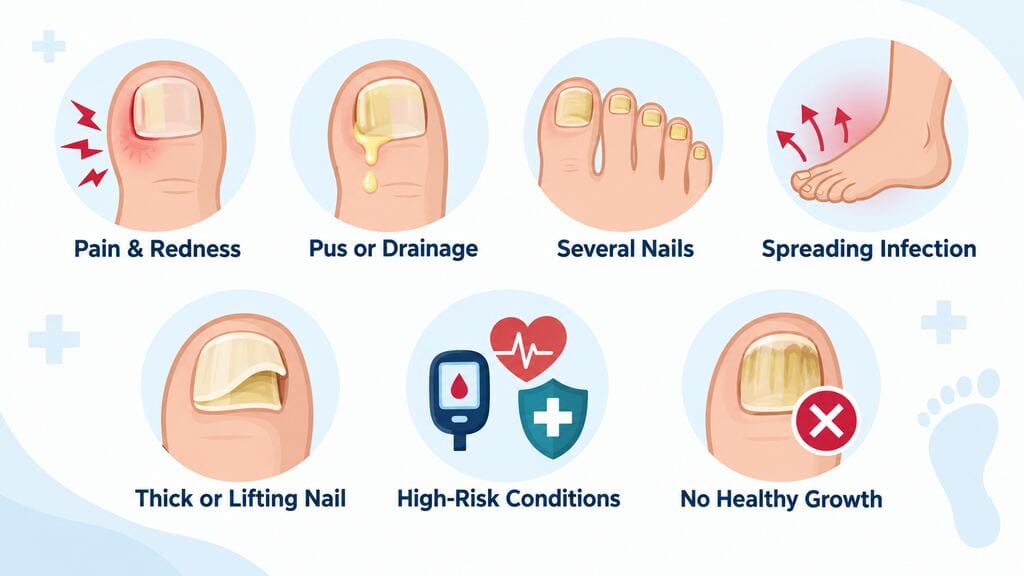
Tea tree oil may not help every nail problem. The following signs may mean you need medical treatment:
- Pain, redness, warmth, or swelling around the nail
- Fluid, pus, or other drainage
- Changes in several nails
- The infection spreads to nearby skin
- The nail becomes thicker or starts lifting from the nail bed
- You have diabetes, poor circulation, neuropathy, or reduced immunity
- The nail keeps getting worse or shows no clear, healthy growth from the base
Final Thoughts
Tea tree oil for nail fungus can be worth trying for mild cases, especially paired with good foot hygiene and a bit of patience. Tea tree oil antifungal products may not help everyone with toenail fungus. If your nail just is not turning the corner, Payam Sarraf, DPM, and the team at Foot + Ankle Specialty Centers are ready to take a closer look, backed by over 1,000 five-star reviews from patients across the Phoenix area. Call us at 480-812-3668 to schedule an appointment and find the treatment that makes sense for you.
FAQs
You risk skin irritation, redness, and even a burning sensation. Always dilute it if you have sensitive skin.
Prescription medications, laser treatments, and consistent use of antifungal solutions can eliminate toenail fungus.
Yes, but it’s best to test it on a small patch of skin first. If your skin doesn’t react, you can apply it directly.
Yes, tea tree oil is safe for most people. Never ingest it, and keep it out of reach of children.
Apply it with a cotton swab. Make sure your feet are completely dry before applying.
Choose a pure, undiluted oil in a dark glass bottle with no added fragrance.
There is no proven schedule for using tea tree oil on toenail fungus. Follow the product label or your healthcare provider’s advice.
- 5

Payam Sarraf
Payam Sarraf, DPM, is a podiatry specialist and surgeon at Foot + Ankle Specialty Centers, with offices in Gilbert, Scottsdale, Chandler, and Phoenix, Arizona. Dr. Sarraf’s areas of expertise include ankle trauma, Achilles tendon ruptures, podopediatrics, ankle arthroscopy and reconstruction and biomechanics.
Related posts

- Payam Sarraf
- September 3, 2026
- No Comments
Toe curling happens when your toes bend downward and inward toward the bottom of your foot. Common causes include muscle spasms, nerve problems, dystonia, toe deformities, […]
- Payam Sarraf
- August 29, 2026
- No Comments
Cracked heels develop when dry, thick skin splits under pressure from standing or walking. To help them heal, soak your feet, exfoliate the dry skin, moisturize […]

- Payam Sarraf
- August 29, 2026
- No Comments
High heels can cause a forward weight shift, which puts extra pressure on your toes and the front of your feet. A narrow toe box may […]